March 2022

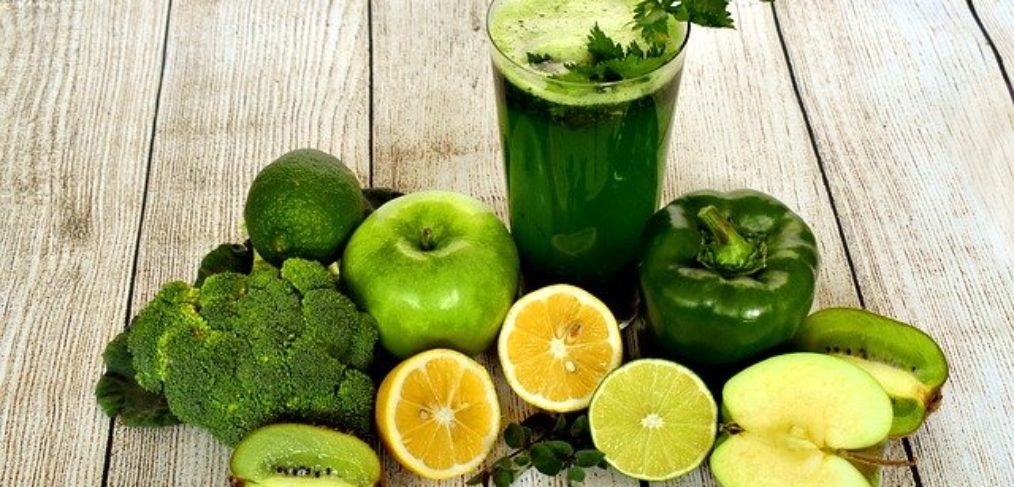
Green vegetable smoothie for detox vs. cleanse

Detox vs. Cleanse

Spring is a time to freshen up your health and your lifestyle. Here we compare a detox vs. a cleanse. Are they the same? What is the purpose of each? How long do you engage in them? What foods are appropriate to each? Who should oversee your protocol? What outcomes can you expect?

 Detox vs. Cleanse Basics

A cleanse focuses on what you are bringing into the body, whereas a detox removes harmful elements from the body. The cleanse increases your nutrition, while the detox decreases your toxicity. You can participate in a cleanse even if you feel weak. But you should only detox from a place of strength. Neither program is a lifestyle. The cleanse doesn’t provide for long-term tissue-building needs. The detox requires heavy respites in between cycles to repair tissues. A detox can be combined with a cleanse.

Cleanse Considerations

Tailored to fatigued, sick, depressed, overweight, inflamed and hurting individuals with chronic pain, a cleanse is an opportunity to ditch poor eating habits. When comparing a detox vs. a cleanse, think of a cleanse as an increase in nutrient-dense foods, chock full of vitamins, minerals, antioxidants, and phytochemicals. It is not a way of life, but rather a seasonal opportunity to restart your health. You can undertake a cleanse for a few days or for a couple of weeks. No special medical supervision is required as long as you stay hydrated, supply plant-based protein to your meals, don’t restrict calories or skip meals, and have an end date within 14 days. NOTE #1: Only drinking fruit- or vegetable-based beverages in place of meals is NOT recommended.

During a cleanse, you will remove processed and refined foods and stimulants such as coffee, sweeteners, and chocolate. Many cleanses prohibit animal foods and grains during the protocol because they are difficult to digest or highly antigenic. Therefore, you can view a cleanse as a short-term foray into a whole-food vegetarian-type meal plan. Many people lose weight during a cleanse. Most report a reduction in nagging, chronic symptoms, such as sinus congestion, edema, headaches, digestive distress, joint pain, and tiredness. NOTE #2: If you are not accustomed to lots of fruits and vegetables in your diet, you will probably want to take supplemental digestive enzymes with your meals, such as Enzymedica’s Digest Basic, to avoid excessive gas and bloat.

Detox Considerations

A detox extracts such damaging elements as heavy metals, molds, pesticides & insecticides, and POP’s (persistent organic pollutants). A critical differentiation between detox vs. cleanse is that unhealthy individuals should NOT engage in a detox. Pulling stored toxins out of cells creates inflammation. If all of your elimination paths are not functioning optimally, the toxins can recirculate, making you sick. Elimination paths include bowel movements, urination, breath, and sweat. Good bile function is a critical part of moving toxins from the GI tract into the stool for excretion. Check with a practitioner if you no longer have a gall bladder, have had gallstones or gall bladder attacks, or experience stomach upset with greasy foods.

A detox can last for a couple of days or a couple of weeks, depending on how you feel. If your symptoms worsen, you should take a break and let your body process what has been liberated before you mobilize any more toxins. You should work with a practitioner who can oversee your detox protocol and tailor it to your specific needs and reactions. In the analysis of detox vs. cleanse, the detox is more than just a diet plan; it involves a chelating agent to bind toxins for removal. Food eaten during a detox should be nutritive, avoid empty calories, and not contain additional toxins. For example, you would want to avoid fish containing mercury residues and shop for organic produce.

Individuals usually detox in cycles with a few weeks in between for healing. A cleanse diet is acceptable during detox cycles as long as you get sufficient protein. (It takes a lot of amino acids to activate all those detox enzymes.) Symptoms that might be relieved through detox include chronic malaise, toxin-mediated hypertension, fine tremor, and immune dysregulation.

Sample 7-Day Cleanse Plan

A template provides a framework for meals so you don’t have to figure out what to each day. Once or twice a day, you will have a “smoothie” containing a plant-based protein with supplemental vitamins and minerals, such as Metagenics’ UltraMeal. This helps insure you are meeting your nutritional needs.  In addition, focus on homemade salads, soups, stir-fries, and vegetable sheet pans meals. Boxed or canned prepared meals have too many additives to be considered part of a cleanse, so plan and shop before you start. You may want to set aside a couple of hours to prepare food in advance.

Here is a suggested meal plan:

  • Breakfast: smoothie and vegetable bake
  • Lunch: salad and soup
  • Dinner: Stir-fry and smoothie

Cleanse Breakfasts

Keeping it simple, but still providing abundant nutrition, the following meal ideas allow for personalization and batch cooking so your time in the kitchen is minimized. Prepare large amounts of each recipe where possible so that you only cook once and eat several times.

Smoothie Ideas:

  • Creamy & Nutty – chocolate protein powder, coconut milk, 1-2 Tb. almond butter, vanilla
  • Tropical – mixed berry protein powder, 1/2 banana, 1 c. mango, coconut milk
  • Gorgeously Green – chocolate or mixed berry protein powder, cored green apple, 1/2 cucumber, 1 c. darky leafy greens (such as spinach or kale), almond milk
  • Very Berry – mixed berry protein powder, 1 c. mixed berries, almond or coconut milk

Vegetable Bake Suggestions:

  • Roasted Roots – any combination of cubed or sliced beets, carrots, sweet potatoes, rutabaga, turnips, or parsnips with onion, olive oil, thyme, and red wine vinegar
  • Mediterranean – any combination of sliced zucchini, eggplant, bell pepper, mushrooms, artichoke hearts, fennel bulb, green beans, or cherry tomatoes with garlic, onion, basil, oregano, rosemary, olive oil and balsamic vinegar
  • Exclusively Cruciferous – any combination broccoli, cauliflower, Brussels sprouts, bok choy, or kohlrabi with garlic, olive oil, and brown mustard seeds.

Lunches on Your Cleanse

Salad Inspiration:

  • Spring Combo – mixed greens, alfalfa or clover sprouts (or even broccoli sprouts), bell pepper, chopped apple or pear, cucumber, green onion, grated carrot with olive oil and apple cider vinegar
  • Italian – mixed greens, olives, bell peppers, artichoke hearts, mushrooms, sun-dried tomatoes, Italian seasoning, olive oil and balsamic vinegar
  • Super Slaw – grated red or green cabbage, grated kohlrabi, and/or grated chayote squash, apples, olive oil, lime juice, cumin seeds, cilantro leaves
  • South of the Border – shredded cabbage, mixed greens, bell pepper, green onion, mango, cilantro, sunflower seeds, avocado slices, lime or lemon juice

Soup Ideas:

  • Very Veggie – any combination of cabbage, tomatoes, celery, carrots, green beans, cauliflower, okra, potatoes or sweet potatoes, winter squash, zucchini, turnips, rutabaga, spinach, or kale with broth, onion, garlic, and Italian seasoning (basil, oregano, thyme, marjoram)
  • Lentil – brown lentils, tomatoes, sweet potatoes and kale or spinach with onion, garlic, broth, coconut milk and curry powder
  • Chili – black and/or pinto beans with celery, carrots, bell pepper, crushed tomatoes, tomato juice, onion, garlic, oregano, cumin, and chili powder

Cleanse Dinners

Stir-Fry Suggestions:

  • Asian – bok choy, mung bean sprouts, snow peas, mushrooms, water chestnuts, napa cabbage, green onions with coconut milk, ginger, garlic, lemongrass, lime juice, and red pepper
  • Quick & Easy – carrots, broccoli florets, snap peas, bell pepper, garlic, ginger, sesame oil, sesame seed
  • Mediterranean – eggplant, bell peppers, mushrooms, spinach, garlic, onion, red pepper flakes, olive oil, basil
  • Crunchy Crucifers – broccoli, cauliflower, cabbage, and or Brussels sprouts with sesame oil, ginger, garlic and onion
  • Mexican – jicama, chayote squash, corn, black beans, jalapeno, onion, garlic, cumin, lime, avocado oil, cilantro

Lifestyle Habits: Detox vs. Cleanse

For both detoxes and cleanses, hydration is paramount. Drink plenty of clean, pure water. If you need a little flavor, add a squeeze of lemon or lime, or steep an herbal tea in your water.

Whether or not you plan to detox with your cleanse, it’s probably a good idea to incorporate a substance that binds toxins so that they don’t recirculate. Pectin-containing fruits (apples and pears) are considered binders, as are both soluble and insoluble fiber found in most plant foods. Beyond that, supplements containing activated charcoal and/or Bentonite clay can be beneficial. Bio-Botanical Research has one such binder called GI Detox. For your convenience, you may order this binder, along with protein powders and digestive enzymes from my supplement portal if you’d like.

When you are engaged in a cleanse, engage in moderate exercise and make the time to get 8 hours of sleep each night. During a detox, be aware that exercise liberates more toxins, so you may want to take it easy to avoid overwhelming your system. Sweating with sauna is a good way to excrete toxins. Be sure to get plenty of rest!
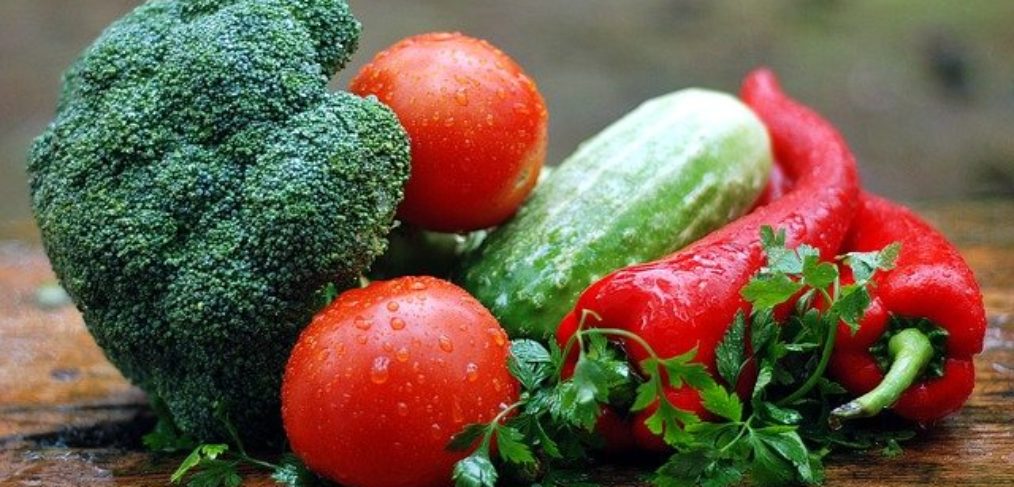

fresh vegetables

Make Vegetables Taste Good

You know vegetables are good for you, but you don’t enjoy them. So, you have come here. Relax! You can make your vegetables taste good without extensive culinary skills. Nor do you need more than a few minutes. The ingredients are readily available in most grocery stores. Further, it only requires a couple of condiments in most cases. Vegetables not only can taste good, but they can also be an enjoyable part of a healthy food plan.

Buying Vegetables

To make vegetables taste good, buy them fresh! The longer they sit in a truck, on a shelf, or in a refrigerator, the more flavor they will lose. So, when possible, buy locally from a farmer’s market or from a CSA (community-shared agriculture) organization. You can identify markets in your area by putting in your zip code at LocalHarvest.org

Another tip is to find out what day your grocery store receives produce shipments and shop on that day. Always look for bright colors and avoid yellowed, browned or wilted produce. Keep your eye out for products that are in season in your climate and have been grown in your state. For example, in Idaho, strawberries peak in June. If I’m buying strawberries in December, certainly they have been shipped from Mexico, spending more than a week in transport.

Cooking Vegetables

Less is more when it comes to making cooked vegetables taste good. Although frozen vegetables may cost less and do offer prompt harvest-to-freezer freshness, they often are soggy and mushy when cooked. So, less handling between the farm and you will yield more satisfaction in taste.

Water is an important factor. Less water generally results in a tastier product. So, steam instead of boil; roast or sauté instead of microwaving. Low and slow may be fine for pot roasts, but quick and hot is better for fresh produce. If you have time to grill, that is a delicious option. For no-fuss indoor grilling, check out Ninja Grills.

Less time under heat preserves the flavor, too. Don’t cook them until they can be mashed – unless they are potatoes. Vegetables are best when they can be poked with a fork but retain a slight crunch. I like to roast vegetables on a sheet pan in a 425° oven with a drizzle of cooking fat just until tender-crisp. Also, stir-frying them in a skillet preheated to medium-high with some cooking oil works well. If you do add them to soups, chop them fine so that you don’t get big, soggy pieces. Add lots of seasoning to your soup to enhance the end result.

Make Vegetables Taste Good

Now, dress them up! Nobody expects you to eat them plain. Like a woman, they present themselves best when they are made up. Here are some simple ideas you can stir together while your vegetables are on the heat.

  • Teriyaki flavor: Combine equal parts soy sauce and pineapple juice concentrate. Drizzle over vegetables and garnish with grated ginger root.
  • Tai: Whisk a spoonful of curry paste into a small bowl of coconut milk. For depth, add a dash of fish sauce and a shake of chili flakes. Dunk your vegetables.
  • Mexican: Mix 2 parts honey with 1 part lime juice. Spice with chipotle powder and chopped cilantro.
  • French: Sprinkle herbs de Provence into cream. Pour over finished vegetables.
  • Italian: Dilute pesto sauce with some chicken broth and toss with vegetables.
  • Grill mix: Shake together in a jar 4 tsp. salt; 2 tsp. each of paprika, sugar, parsley flakes, onion powder, and garlic powder; and 1 tsp. each of celery seed, chili powder, turmeric, oregano, and basil. Sprinkle over any vegetable or add to soups. For a larger batch, use a tablespoon instead of a teaspoon.
  • Mediterranean: Blend 1/3 cup each olive oil & tahini; 1 tablespoon each soy sauce & honey; 3 tablespoons lemon juice; and 1/2 tsp. each garlic powder and salt. Spoon over vegetables.
  • For cruciferous & Sulphur-containing vegetables (such as broccoli, Brussels sprouts, asparagus, & artichokes): Stir together 1 part Dijon mustard and 1 part pure maple syrup. Dribble onto vegetables.
  • For sauteed greens (spinach, chard, kale, arugula): splash with balsamic vinegar, then drizzle on a little honey.
  • For raw salads: Whisk 2 parts olive oil with 1 part lemon juice. Add herbs if desired (garlic, chives, parsley, basil, dill, cilantro, etc.)

Expand Your Repertoire

If you don’t typically eat any vegetables besides corn, peas, and beans, here are some fun ways to add more vegetables to your diet.

  • At the grocery store, try to buy 1 vegetable in each color of the rainbow for the week.
  • Choose a vegetable that you have never eaten before, and Google recipes for it. Pro tip: for nearly any vegetable (except lettuce and avocado), it can likely be washed, chopped, tossed with olive oil + salt, and baked at 350ºF until you can pierce it with a fork.
  • Consider making a vegetable soup, stir fry, or salad that has at least 6 types of vegetables in it to get great variety in one sitting. Good vegetables for all of these dishes include onions (red and white), garlic, carrots, celery, bell peppers, cabbage (red and green), string beans, zucchini, tomatoes, cauliflower, sturdy leafy greens (e.g. kale, spinach, arugula, chard), and cooked winter squash.
  • Consider having a dip alongside chopped vegetables for a snack – guacamole, hummus, and black bean dip are some favorites.
  • Toss some chopped herbs onto your dishes for added flavor. These are especially abundant in the summer months. Consider fresh herbs such as parsley, cilantro, basil, mint, dill, oregano, and chives. Great herbs to throw into a soup or roasting meat include sage, thyme, bay leaves (remove after cooking), and rosemary. Garlic and ginger are other excellent, easy to find additions, both raw and cooked.

25+ Healthy Breakfast Ideas

A healthy breakfast provides not only appropriate carbs, fats, and proteins, but essential micronutrients, too. When you eat a healthy breakfast, you feel energized for the day; your mood is stable, and you maintain a sense of satiety. Whether you eat when you first wake up, or practice intermittent fasting, your breakfast sets your blood sugars for the rest of the day. When you eat may not be nearly as important as what you eat.

Here are some suggestions for every lifestyle, so you can eat what you enjoy, knowing you are getting the nutrient density you need.

Eggs

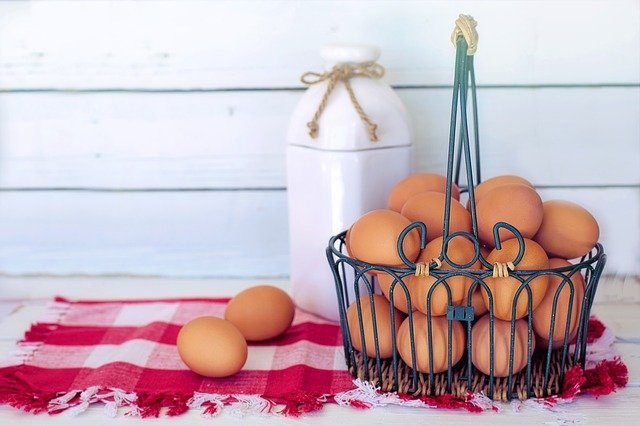
basket of brown eggs

Fried, boiled, poached, scrambled – you have so many options for such a simple food! Don’t limit yourself to the same recipe every day. Variety is the spice of life!

  • Frittata: like an omelet, only easier. Stir in veggies & herbs, then bake.
  • Eggo-cado: Crack egg into the hollow of a halved avocado; bake until set.
  • Pizza with egg “crust”: top an omelet with olives, mushrooms, tomatoes, spinach, Canadian bacon, & Italian seasoning.
  • Taco eggs: scramble eggs with taco meat, avocado, salsa, cheese.
  • Curried eggs: Slice hard-boiled eggs into coconut milk with curry paste and sautéed bok choy, pea pods, and mushrooms.
  • Indian eggs: poach eggs in cooked tomatoes, coriander, cumin, turmeric and ginger.
  • Eggs in a nest: Sautee fresh greens. Crack eggs over the top. Cook gently until set.
  • Fishermen’s eggs: Fry fish in an oven-proof skillet. Add vegetables. Crack eggs over the top. Transfer to the oven and bake until eggs are set.

Smoothies

4 smoothies on a tray

Refreshing, quick, and delicious, smoothies are a favorite with moms and kids. But to make sure they provide a healthy breakfast, be sure to follow these rules:
1. Include 8-12 grams per serving of a healthy fat: avocado, almond butter, coconut milk, coconut oil, flax seed oil, or hemp seeds.
2. Add some protein. You can choose a quality animal or plant-based protein powder without added ingredients. Aim to get 20 grams of protein per serving.
3. Limit yourself to 1 cup of low-sugar fruits, such as berries, kiwi or apples.
4. Add fresh leafy greens if you like.

Here are some creative combinations to consider:

  • Spiced pumpkin with real cream or coconut cream
  • Strawberry almond coconut
  • Cocoa-almond (with almond milk and almond butter)
  • Acai cherry chocolate avocado
  • Green Pina Colada with spinach, coconut and pineapple

Healthy Breakfast Meats

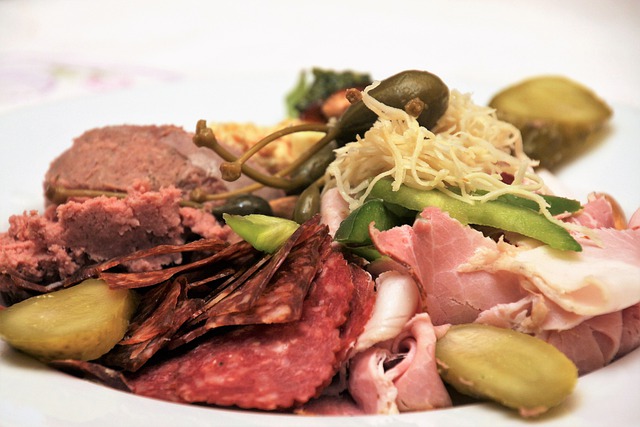
a tray of healthy breakfast meats

Sausage and bacon may be obvious breakfast choices, but have you considered duck, fish, or even flank steak? These suggestions may help you brainstorm your own combinations.

  • Kielbasa Skillet with sweet potatoes and kale. (use nitrite-free sausage).
  • Sausage & cabbage: Sautee cabbage and apples in butter, maple syrup and nutmeg. Stir in ground turkey and sausage seasonings.
  • Sausage stack-up: Homemade sausage patty and pineapple rings topped with cheese. Good with bell peppers and tomatoes
  • Smoked salmon and cream cheese on whole grain sourdough toast. Garnish with sprouts and arugula
  • Duck hash: toss fried sweet potatoes with diced duck breast, chives, and purple onion. Serve with poached eggs and wilted greens.
  • Carne Asada: Stir-fried flank steak, jalapenos, new potatoes or pinto beans, cherry tomatoes, onion and garlic – with or without eggs & salsa.
  • Canadian Bacon Cups: Line muffin tins with Canadian bacon. Fill cups with any omelet ingredients (eggs, a variety of vegetables) Bake until set.
  • Sardine Toast: Multi-grain bread, sardines, tomato, onion, parsley, spinach, mozzarella, Italian seasoning.

Dairy-based Meals

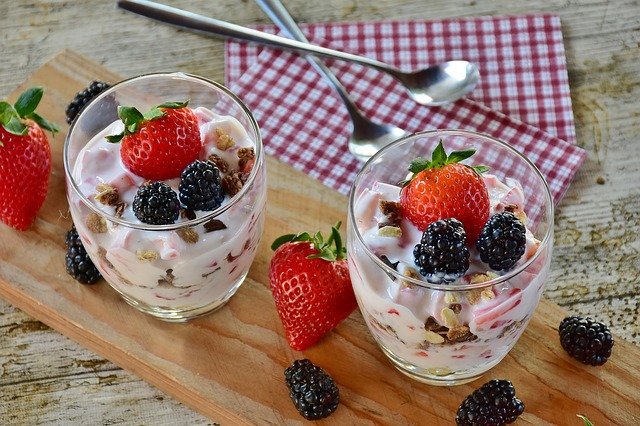
yogurt parfait with nuts and berries

If you have no appetite for meat in the morning, consider these dairy options, which are high in protein and low in sugars.

  • Parfait: plain full-fat Greek yogurt, a little fruit, a variety of nuts and seeds (hemp, chia, flax, pumpkin, sunflower). For a bonus, layer with cooked steel-cut oats.
  • Cottage Cheese, fresh basil, cherry tomatoes, and cucumber slices. 
  • Pancakes: Ricotta or cottage cheese blended with raw eggs, then baked on griddle. Try a savory vegetable topping, such as mushrooms & herbs.
  • Purple smoothie: Full-fat cottage cheese, blueberries, almond milk.
  • Banana Nut Smoothie: Greek yogurt, almond butter, banana.

Pancakes & Waffles

waffles with a side of bacon

It might seem criminal to outlaw warm, golden cakes, fresh off the griddle as a morning starter. So, to avoid an insulin surge in the morning, follow these guidelines for the occasional pancake or waffle breakfast.

  • Substitute almond or coconut flour for the usual high-glycemic, all-purpose or gluten-free flour.
  • Limit your portion and add a side of meat or eggs.
  • Top with coconut milk, Greek yogurt, ricotta, or cottage cheese instead of syrup or jam.
  • Consider adding protein powder to your batter and to your syrup.
  • Stir in grated or pureed vegetables.
  • Incorporate nuts, nut butters, and seeds as toppings or fillers.
  • Sandwich between slices of ham and fried egg.

Healthy Breakfast Cereals

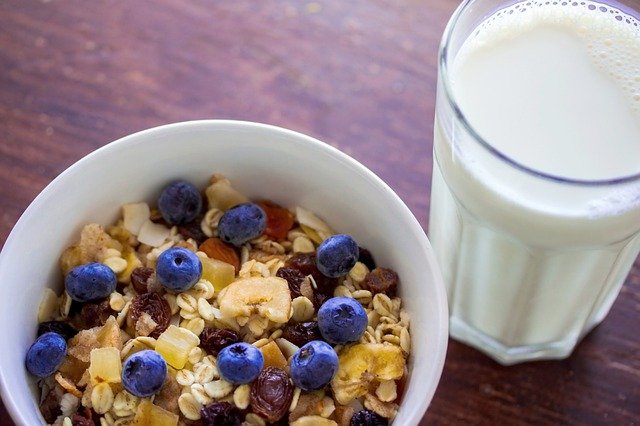
a bowl of muesli

What’s more American than a bowl of cold cereal to start your day? Unfortunately, that’s a quick trip to a blood sugar roller coaster. Try these options instead.

  • Brown rice porridge (congee) served with shredded chicken, avocado, peanuts, and kimchi 
  • Mung bean and Basmati rice porridge (kitchari) cooked in bone broth with ghee or coconut milk, ginger, cumin, turmeric, fennel, and coriander. Garnish with cilantro and serve with mixed vegetables on the side. 
  • Buttered oatmeal: Jazz up this traditional hot cereal bowl with a pat of real butter, a spoonful of chia seeds or hemp hearts, and some protein powder. Serve with nuts and sweeten with coconut flakes. Also good with link sausage.
  • “No-oatmeal”: pumpkin and sunflower seeds tossed with walnuts, flax seeds, coconut flakes, and cinnamon; served in creamy coconut milk. You can buy grain-free granola if you don’t want to make it. 
  • Quinoa, millet, amaranth, or buckwheat porridge, served with Greek yogurt and a side of bacon. Make it savory with parmesan cheese in place of yogurt and the addition of wilted greens. I also like buckwheat porridge with avocado and tomato.

More Healthy Breakfast Ideas

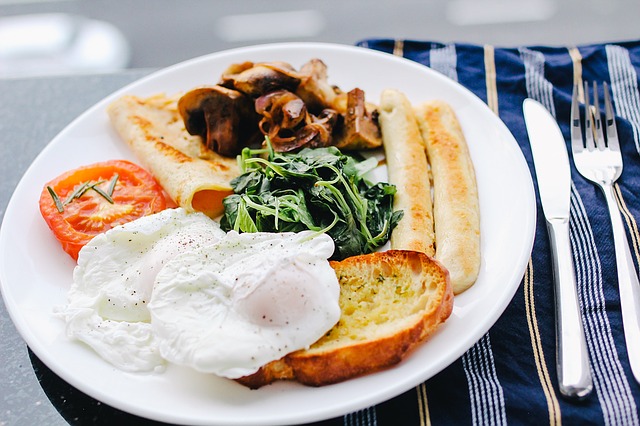
5-Star Breakfast with protein, fat, fiber, and antioxidants.


Perhaps cooking is a problem for you – you don’t have the time or the desire. Check out this post on how to prep a nutrient-dense breakfast in a hurry. If you’re looking for specific recipes, here are some of my favorites. When you need something adventurous to get you out of the doldrums, try breakfast soup!