October 2019

teddy bears sick with colds and flu

4 Ways to Fight Colds and Flu

You know washing your hands helps prevent the spread of germs, but there are 4 more action tools you can use to fight colds and flu.

1. Deeply Nourish Your Body

Your immune system is a nutrient hog. It uses more nutrients than any other system or organ – even your brain. To work optimally, it needs vitamins A, C, E, D, K, B6, B9, and B12. In addition, it requires the minerals zinc, selenium, iron, iodine, magnesium, and copper. Also, your immune system needs antioxidants and essential fatty acids.

So while it might be easy to gulp an “Emergen-C” tablet with a glass of water when you feel a sore throat coming on, you need a lot of nutrients all the time to fight colds and flu. It’s smart to regularly eat foods that are nutrient dense. These include dark leafy greens, brightly-colored produce, omega 3-rich fatty fish, and organ meats. I posted about how these foods are also anti-inflammatory. It’s as if nature is showing us their benefit by displaying such rich, vibrant colors.

2. Relax a Lot!

We know that stress raises inflammation. Did you know it raises your blood sugars, too? That’s bad news if you’re under chronic stress. Why? Chronically high blood sugars lead to insulin resistance and even more inflammation.

But that’s not all. Scientists think they have found a link between insulin resistance and decreased immunity. Insulin appears to boost immune T-cells. When mice were genetically engineered with missing insulin receptors in their T-cells (to mimic insulin resistance), they were unable to fight certain infections, including the H1N1 flu virus.

So the bottom line is that to fight colds and flu, you need to guard against inflammation and insulin resistance that can impair immunity. In order to do that, you need to manage your stress effectively. Take time every day to unwind. It only takes a few minutes to employ one or two of the 50 stress hacks I have compiled.

3. Feed the Right Bugs

Since as much as 80% of your immune system lies within your digestive tract, it makes sense that the micro-organisms that live there should be healthy. If you feed the symbiotic bacteria that lie in your GI tract, you can boost your immunity. These helpful bacteria serve as “bouncers” against pathogenic strains of microbes that cause illness.

Your “good” bacteria like to eat fiber! They especially like to feast on cruciferous vegetables, the onion family, and asparagus! But they don’t digest simple sugars. In fact, white sugar and white flour are fodder for pathogens.

Cutting out refined carbohydrates from your diet does not guarantee you can fight off all colds and flu. But your odds are much higher if you do get sick, that you’ll bounce back quicker if you cut down on the sugar.

4. Sleep More

When you sleep, your body “cleans house.” It repairs what is broken, sweeps up what is dirty, and takes out the trash. This is the time when your immune system is most effective at fending off invaders and reducing inflammation. So, reason says that if you are sleep deprived, you are less able to fight cold and flu viruses.

But there’s more. When you are chronically sleep-deprived, your body actually initiates a stress response, raising blood sugars and creating inflammation. You can become insulin resistant with just 36 hours of sleep deprivation.

Ultimately, you end up with an impaired immune system. That means greater susceptibility to illness.

Here are some suggestions for better sleep:

  • Create a bedtime that allows for 7-9 hours of sleep.
  • Eat a nutrient dense diet (see #1).
  • Exercise, but do it at least 4 hours before bedtime.
  • Stick to the same sleep schedule every day.
  • Get sunlight in the morning.
  • Cool your room.
  • Avoid blue light before bed.
  • Engage in evening meditation.

Fight Colds and Flu

No one can avoid all illness forever. But taking care of your health by eating well, relaxing frequently, sleeping enough, and nourishing your microbiome will keep you strong so that if you do get sick, you can recover rapidly.




Food provides weapons against inflammation

3 Weapons Against Inflammation

You may take supplements to reduce inflammation, such as curcumin. But there are several entire food types you need to include in your daily routine! These groups are your weapons against inflammation. In fact, their mere absence in your diet may make you vulnerable to inflammation.

Inflammation Education

Let’s review a few key concepts:

  • Inflammation is the battleground where your white blood cells clash against invaders. When there is injury to your tissues, inside or out, the body sends its soldiers, white blood cells, to the scene, to fight against whatever is causing harm. That might be bacteria, in the case of a skinned knee, or foreign proteins, in the case of an allergy. A special substance, known as histamine, opens up the tissues to let the white blood cells in. During and after the battle, there is a lot of cell debris that must be cleaned up. These open tissues, full of white blood cells and cellular debris are classified as “inflamed.”
  • Oxidative stress causes inflammation. The process of living creates free radicals – atoms with unpaired electrons. Since electrons naturally seek to be paired, these free radicals cause tissue damage when they “steal” electrons from various cells in your body. Normally, your body has “antioxidant mechanisms” to combat this damage. But when the number of free radicals outstrips your antioxidant potential, the tissue damage accumulates and you become inflamed.
  • If you have symptoms, you have inflammation. Simply put, when inflammation is occurring, you perceive pain, swelling, heat, or other forms of discomfort. Symptoms are the signal for you to slow down, take care of yourself, and support healing. Good nutrition, restorative sleep and stress management allow your body to amass its resources against the problem.
  • Only chronic inflammation is a problem. Because inflammation is a necessary part of healing, we don’t want to squelch it all together. But not being able to put out the fire puts your body in a state of distress that leaves you open for diseases such as cancer, autoimmunity, and heart disease. Since chronic disease in America is epidemic, you need several weapons against inflammation.

Inflammation Weapon #1 – Polyphenols

Polyphenols are absolutely vital! They are the antioxidant compounds! Therefore, they fight free radical damage and are thereby anti-inflammatory. Polyphenols are naturally found in plant foods, such as fruits, vegetables, herbs, spices, tea, dark chocolate, and wine. There are literally thousands upon thousands of polyphenols. You might recognize some of their them: quercetin, catechins, anthocyanins, lignans and resveratrol. The biggest group of polyphenols are known as flavanoids. These are the pigments that that give brightly-colored produce their rich, vibrant colors.

To make sure that you can combat oxidative stress, you should eat at least of cup of richly-colored produce daily. A cup every meal would be better. To do this, eat the rainbow! Include fruits and vegetables that are red, orange, yellow, green, purple/blue, and even white every time you eat.

An additional benefit of polyphenols is that they feed your health-supporting gut microbes. Consequently, they increase your wellness because a happy microbiome makes a happy host.

#2 – Fight Inflammation with Leafy Greens

Dark leafy greens, such as cress, arugula, chard, mustard greens, beet greens, kale, and spinach, are tops (pun intended)! Not only do these plant tops fight inflammation, they help stabilize blood sugars and also support detoxification. Stabilizing blood sugars is important because blood sugar fluctuations can trigger inflammation.

Dark green leaves are full of polyphenols, including beta carotene and quercetin. But they also contain folate, which is a must for detoxification. You see, in order to mop up the inflammation, your liver has to be able to detoxify all those waste products from the battle. Your liver depends on folate in a process called methylation where it makes your master antioxidant, glutathione. You cannot fight inflammation without enough folate as a weapon.

Every indigenous culture has depended on some type of leafy greens as a mainstain in its diet. Asians, Africans, and Indians can teach us much about how to eat more greens. Challenge yourself to not eat a meal without dark leaves included.

#3 – Fatty Fish are Anti-Inflammatory

Dark and oil-rich fish, such as salmon, mackerel, anchovies, sardines, and herring, are your best source of the Omega 3 fatty acids, DHA and EPA. These fatty acids are associated with lower levels of inflammation. However, your body can’t manufacture them. So, it’s important to get them through your diet. While plant sources of Omega 3’s, including flax and chia, are popular, they provide only ALA, that must be converted to DHA and EPA. Your body doesn’t do this conversion very efficiently, and you lose much of your Omega 3 potential during the process. Consequently, it’s best to not rely only on plant sources for these anti-inflammatory fatty acids.

As a bonus, the dark-fleshed fatty fish also include a special polyphenol called CoQ10. This polyphenol has powerful antioxidant properties. Eating fish about 3 times per week will provide the anti-inflammatory benefit you need.

Bonus Inflammation Weapon

There’s one food that has more Vitamin A than brightly-colored produce, more folate than leafy greens, and more coQ10 than fatty fish. That’s organ meat – specifically liver. Of course, it makes sense that the organ that plays the biggest role in fighting inflammation would be a storehouse for the nutrients needed for this process. Although liver is not a significant part of American food culture, you can include it in your diet by mixing ground liver in with ground meats – hamburger, pork sausage and ground poultry products, such as turkey sausage.

A little bit of liver goes a long way. Just an ounce a day will provide the many nutrients you depend as weapons against inflammation.


Teal Halloween pumpkin & toys

Teal Halloween

I’m ditching orange and going teal this Halloween! The Teal Pumpkin Project is a movement to create a safer Halloween for all trick-or-treaters by avoiding treats that contain food allergens. Since 1 in 13 kids has food allergies, we need more houses where they can get allergy-free treats. You let kids know your house is allergy-safe when you put a teal pumpkin on your doorstep.

I’m making my Halloween teal by purchasing non-food treats to give to trick-or-treaters. Glow sticks, bouncy balls, stickers, and spooky toys are always a hit in our neighborhood! You can add your house to the Teal Pumpkin Project map here.

I’m also making sure that for parties, I offer treats that don’t contain common allergens, such as wheat, soy, eggs, corn, nuts, or fish. Here are some ideas you can use:

Apricot Pumpkins and Banana Ghosts

All you need is a little melted chocolate and some fruit! Using a toothpick, drop dots of melted chocolate onto fresh, frozen or dried apricots and onto halved, peeled bananas to make faces of jack-o-lanterns and ghouls.

Monster Mouths

You will need:

  • red apple slices
  • pumpkin seeds
  • sliced strawberries
  • toothpicks

Each apple slice will become a top or bottom jaw. Press ends of pumpkins seeds into fleshly part of apple slices to make teeth. Join two apple slices together with toothpicks, keeping the red skin facing out to resemble lips. Lay a strawberry slice over the pumpkin seeds on the bottom apple to look like a tongue.

Black Cat Fudge

This Teal Halloween-friendly recipe is chock-full of anti-inflammatory ingredients to help offset high-sugar treats that are almost inevitable for trick-or-treaters. Combine the following:

  • 2 avocados, mashed
  • 1/4 c. each melted virgin coconut oil, and melted cocoa butter
  • 1 tsp. each vanilla, cinnamon, and salt
  • 1/4 c. each carob powder and honey
  • 2 Tb. coconut cream, optional (use if you want a milkier taste. Omit for that dark chocolate taste)

Mix until smooth, press into an oiled loaf pan. Freeze, then cut into squares. Alternately, you could press onto a parchment-lined cookie sheet. Then, after freezing, you can use Halloween-themed cookie cutters to cut shapes of bats, cats, and spiders.

fruit treats

Teal Halloween Caramel Apples

These caramel apples use no butter or milk to make them allergy-safe. Also, they use no refined sugar or corn syrup, making them healthier for all children.

  • 14 oz. can full-fat coconut milk
  • 1/2 cup maple syrup
  • 2 tsp vanilla extract
  • 1 tbsp coconut oil
  • 2  granny smith apples
  • tongue depressors or skewers, stuck into the apples for handles

Simmer coconut milk and maple syrup over low heat for 30 minutes or more, stirring frequently, until very thick and light brown-colored . Remove from heat and stir in oil and vanilla. Pour into two round cake pans coated with cooking spray. Refrigerate until set. Using a spatula, release the caramel from each pan and lay it on a piece of parchment or wax paper. Set an apple in the center of each caramel disc. Fold the caramel up and around the apple, pressing firmly so that the caramel stays in place. Keep refrigerated.

Witches Fingers

Hauntingly good! You won’t miss the gluten, eggs, nuts, or the sugar, either!

  • 1/2 cup coconut oil, softened
  • 1/4 cup molasses
  • 1/2 cup honey, warmed
  • 2 teaspoons pure vanilla extract
  • 1 cup coconut flour
  • 1 teaspoons each ginger powder & cinnamon
  • 1/2 teaspoon each sea salt & baking soda
  • 6 Tb. water
  • 2 Tb. unflavored gelatin
  • Pumpkin seeds

Preheat the oven to 350. In a large bowl whisk together the coconut oil, honey, molasses, and vanilla extract. In a small bowl, measure 2 Tb. of cold water. Sprinkle the gelatin into the water. When the gelatin has absorbed all the water, heat the remaining 4 Tb. of water to boiling and pour over the gelatin mixture. Stir well until all of gelatin has dissolved. Whisk the gelatin mixture into the wet ingredients.

In another small bowl, mix the coconut flour, spices, salt, and baking soda. Add these dry ingredients to your large bowl, mixing until creamy. Shape dough into finger-length “snakes.” Score knuckle lines with a knife. Press a pumpkin seed “fingernail” onto each finger. Set fingers on a parchment-lined cookie sheet.

Bake for 17-20 minutes, until edges are browned and cookies are firm to the touch.

Food sensitivity test

Test for Food Sensitivities

The whole idea of a Teal Halloween may seem foreign to you if you do not have known food allergies in your family. However, the chance of having food sensitivities is much higher than the probability of having food allergies. What’s the difference?

Food allergies

  • Manifest within seconds of ingestion.
  • Impact skin, airways and eyes with classical allergy symptoms (hives, restricted throat, mucous, watery eyes).
  • Require only a few molecules of the allergen to trigger a response.

On the other hand, food sensitivities

  • May take up to 3 days to manifest
  • Can impact any system of the body, causing joint pain, mood changes, headaches, digestive distress, and many other symptoms
  • Are dose dependent, meaning they may not trigger a response at all unless a certain threshold is passed. So, you may be able to eat a tablespoon, but not a cup.

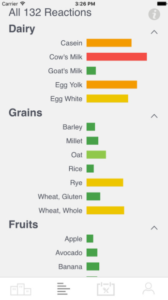
You may order a home blood test kit that detects your response to 132 different foods. Results are confidential and are color-coded to give you a range of tolerance. For example, you may have no response, indicated by a green bar. You may have a minor or moderate response, indicated by a yellow or orange bar. Finally, you may have a dramatic response, indicated by a red bar.

Let’s make Halloween safe for everyone by identifying and avoiding food triggers.


2 women nurture good health with sunshine & laughter

5 Essentials of Good Health

Being well is a deliberate pursuit. You choose to nurture your good health by the actions you take every hour of every day. No, you don’t maintain wellness by accident or by luck. But you do focus on diet and lifestyle keys. I use the acronym NURSE to remember the vital components of a healthy lifestyle: Nourishment, Unwinding from Stress, Restorative Sleep, Sunshine, and Exercise.

Nourish Good Health

There’s a difference between eating and nourishing. The term Hidden Hunger refers to individuals who are starving with their stomachs full. In other words, they are putting nutrient-poor foods into their mouths and missing essential nutrients meal after meal. Although they appear to be eating plenty of food, they can not achieve optimal function. Brain fog, cravings, fatigue, and anxiety are just a few symptoms of Hidden Hunger.

Good health absolutely must incorporate nutrient-dense foods. You should be eating at least 6 cups of vegetables per day, have no fewer than 15-18 grams of protein in a meal, and include natural essential fatty acids in every meal.  You can only attribute about 25% of your chronic symptoms to your genes. The rest result from diet and lifestyle.

Unwind Frequently and Consistently

Aside from diet, stress is the greatest contributor to chronic inflammation in the body. Since inflammation is at the root of all chronic disease, we can infer that stress is making you sick! However, you are not likely to remove all stress from your life. The key is to defuse it by conscientious daily – even hourly – exercises. Breathing and stretching are just the beginning. You can employ techniques such as reframing, acupressure, laughter, and journaling. If you need some help knowing how to unwind, or if you want some quick tips that you can employ in just 1 or 2 minutes, check out my Stress Hacks Course.

Restore Good Health Through Sleep

Did you know that sleep deprivation is linked with depression, obesity, and increased risk for substance abuse and suicide? One-third of Americans do not get even the recommended 7 hours of sleep per night, although even that amount is skimpy. A century ago, our forefathers averaged 9 hours a night. But lying in bed for a certain number of hours isn’t the complete requirement. You must arise refreshed, without having had interruptions or poor quality sleep.

Although you can search out many recommendations for better sleep on the internet, one often over-looked remedy for disrupted sleep rhythms is to rebalance blood sugars. Insulin surges throughout the day can contribute to blood sugar crashes at night. When your blood sugar dips, cortisol kicks in to save your brain and vital organs from fuel deprivation. But cortisol is a “wake-up” hormone. You can work with me to normalize your blood sugar patterns.

Soak Up Some Sunshine

Just 15 minutes a day of direct sunlight on your skin can boost immunity, strengthen bones, improve mood, and augment a good night’s rest. Chances are that if you live north of the 42nd parallel, you’re not getting enough sunshine to maintain adequate Vitamin D levels, which impacts heart health as well as gut and immune health. Try these tips to get more sunlight.

Exercise Your Way to Good Health

Movement is essential. You can adapt your plan to your circumstances. An individual with autoimmunity may choose a walk in nature daily, while someone with insulin resistance may opt for interval training. The point is to challenge yourself to do just a little more and a little better each day. Sitting is actually dangerous to your health. Take frequent breaks to get up and move around, and find ways to incorporate movement into your daily routine.

You might find a local gym where you have a variety of choices, such as yoga classes, weight machines, and cross-fit training.

Demographics Don’t Matter

Everyone can and should implement these strategies. You don’t need to be privileged. All cultures, economic backgrounds, personalities, and special needs still need to NURSE their health. We are all created equal in our need for wellness and in our ability to choose nourishing foods and healthy lifestyles.


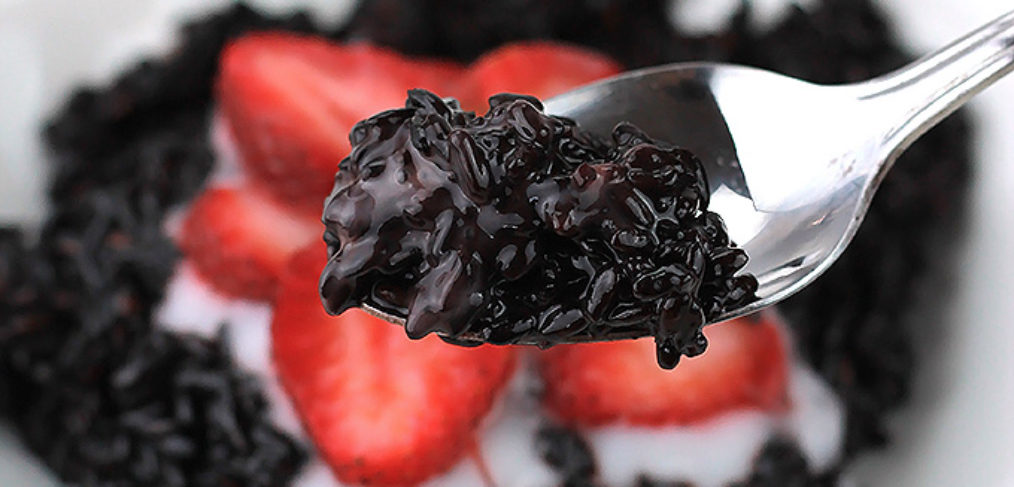
Nutrient-Rich Black Rice Pudding

My Nutrient-Dense Breakfasts

A nutrient-dense breakfast isn’t optional for me. If it isn’t convenient to eat well in the morning, will it be more convenient to be unwell? As a functional nutritionist, I know that every bite I eat has the power to inflame or heal. Plus, I know that my breakfast sets my blood sugars for the day, giving me either steady or erratic metabolism. Since it’s vital to get minerals, vitamins, and antioxidants from my food, I want a breakfast that is nutrient-dense as well as balanced.

So what does a functional nutritionist eat for breakfast? A broad variety! I’m as likely to have leftovers from dinner as to actually prepare a meal in the morning. But if I were to pick several meals that rotate through my menu frequently, you would see a diversity that reflects several cultural influences.

Eggs are Nutrient-Dense

I like to make up creations, such as taco eggs, pizza eggs, or eggs-in-a-nest that contain a variety of vegetables and perhaps a little extra protein as well. Here are some common egg breakfasts at my house:

  • Italian Frittata (I also add mushrooms and olives!)
  • Fisherman Eggs (The recipe is at the bottom of the post.)
  • Thai Curried Eggs (You can omit the venison, but be sure to use plenty of Chinese greens, such as bok choy and pea sprouts!)

Meals with Breakfast Meats

While I do not follow a paleo or keto diet, per se, I like to make sure I get about 20 grams of protein in any given meal. Getting meat in the morning helps insure I am having a nutrient-dense breakfast. I like these vegetable-meat combinations:

  • Yam, Apple & Sausage Skillet
  • Hawaiian Wraps (For convenience, I use pre-made sausage patties and pineapple rings. I omit the cornstarch from the sauce and add a little honey to make it thicker.) Here’s a cleaner version that I’m dying to try because it look so yummy!
  • Farmer Hash (I enjoy grating or chopping rutabaga, turnip, cabbage, parsnips, yams, squash, carrots, or beets for mine. And of course, there’s always the addition of dark leafy greens and some crunchy vegetables such as celery and bell peppers.)

Nutrient-Dense Comfort Food

Everyone likes some comforting carbs once in a while. How do I do that and still maintain balanced macro ratios? To begin with, I use unrefined carbohydrates. Then I add fiber-rich vegetables, healthy fats and quality protein. Check out these enticing selections: