February 2018

You Might Be Hypoglycemic If…

Hypoglycemia: (also called low blood sugar) a lack of the body’s main source of fuel, glucose. Characterized by confusion, heart palpitations, shakiness, and anxiety. There are over 200,000 documented cases per year. But for some, it’s a chronic way of life.

Why Does Hypoglycemia Occur?

In the most common scenario, a non-diabetic individual eats a high-carb meal, which is rapidly converted to glucose. This glucose enters the bloodstream quickly and triggers a surge of insulin to escort it into the cells for energy, into the liver for temorary storage, and into fat tissue for more permanent storage. Picture insulin as a roll of paper towels and blood sugars as a basin of water. The more paper towels you use, the more water you absorb out of the basin, right? So, the more insulin secreted, the lower blood sugars will drop in response.

Google says, “Consuming high-sugar foods or drinks, such as orange juice or regular soda, can treat this condition.” Using the analogy above, sugary foods and beverages will add more water to the basin and will require another roll of paper towels to mop it up, so the cycle continues perpetually. A better preventative treatment would be to avoid eating in a way that causes high levels of glucose to enter the bloodstream to begin with. In other words, eating nutrient-dense whole foods, adequately balanced. That means adequate fats, proteins, and unrefined, unprocessed carbohydrates – like vegetables.

Why is Hypoglycemia Harmful?

Hypoglycemia is the first step in what is now being called the Black Plague of the 21st Century – a pathway toward insulin resistance, Metabolic Syndrome (characterized by weight gain, high blood pressure, and rising triglycerides), pre-diabetes (chronically elevated blood sugars), diabetes (blood sugars over 200 mg/dl), and Alzheimer’s (called Diabetes Type III).

If you don’t want to be on this path, you need to take steps now to reverse your direction.

Know the Signs of Hypoglycemia

  • You notice an afternoon slump when you crave, feel lethargic, can’t think, and  get sleepy – otherwise known as the 2 p.m. coma.
  • Your food groups seem to be coffee, sweets, and energy drinks – you need stimulants to keep going.
  • Your moods change as rapidly as the Idaho weather.
  • You wonder if you’re experiencing an earthquake because you’re shaking so much. The hungrier you are, the shakier you get.
  • When you can’t bite into food, you bite someone’s head off. Hangry is the word!
  • Although no one startled you, and it’s not flu season, you could still faint because you get so light-headed.
  • Eating brings such sweet relief! Fasting is out of the question.
  • “You’re not you….” You’re:confused, knucklehead, blonde, hot mess, befuddled, klutz….
  • You’re as nervous as a June Bug in a henhouse.
  • Your vision seems like an unadjusted pair of binoculars.

If these sound familiar, please contact me to get some help before your health gets worse!
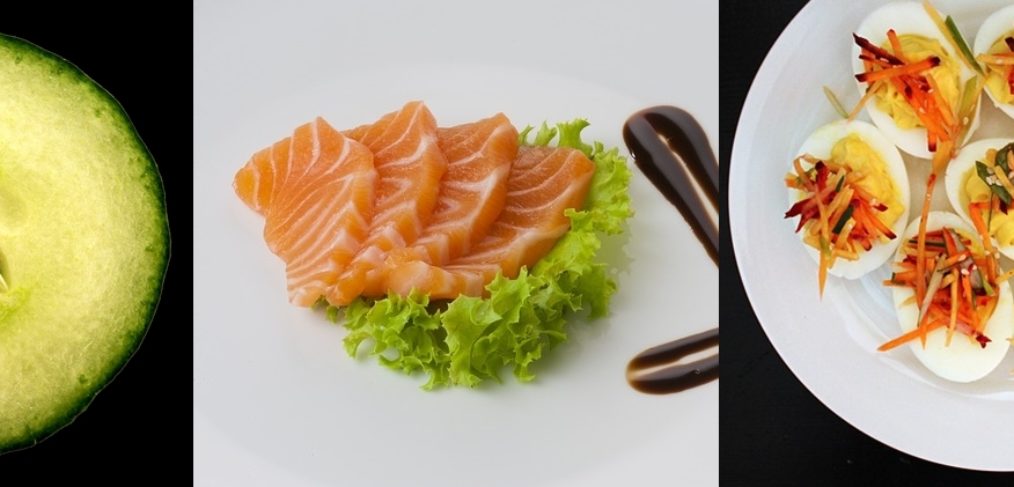
 

Inside-Out Sushi

These quick snack “coins” are a twist on sushi because the cucumber is on the outside! Fill them with fish, or go crazy with other international ideas, such as Mexican-, Italian-, or Mediterannean-themed fillings. These are a great way to stabilize blood sugars and stave off your sweet cravings!

  1. Peel your cucumber, then slice it lengthwise and scoop out the seeds.
  2. Fill the halves with one of these pairs:
    • tuna & daikon radish
    • guacamole & refried beans
    • sausage & marinara
    • hummus & sundried tomatoes
    • cottage cheese & grape tomatoes
    • crab & pico de gallo
    • salmon & cream cheese
    • shrimp & spicy rice
    • olives and feta
    • devilled eggs and pickles
  3. Put the cucumber halves back together.
  4. Slice perpendicular to your first cut, creating “coins.”


Are Artificial Sweeteners Okay?

Since sugar isn’t helping you get healthier, can you replace it with a non-calorie sweetener? Let’s look at the pros and cons:

Benefits

Artificial sweeteners, known by such names as Sweet One, NutraSweet, Equal, Sweet ‘n Low, Sugar Twin, Splenda and Truvia, do have one marked advantage over white sugar: they don’t add calories to your diet.

For Diabetes control, they are also purportedly acceptable because they are not carbohydrate, so they can’t spike blood sugars.

Possible Detrimental Affects

The controversy that has been raging for more than 50 years is whether they are actually safe in the quantities that they are being consumed. There is also the question of whether users actually reduce their caloric intake or whether they compensate for the reduced calories by eating more of something else. There is concern that artificial sweeteners retrain the tastebuds to require even sweeter foods, thus causing addictions. Finally, some of these artificial sweeteners are suspected of creating impaired glucose tolerance, which is considered to be a pre-diabetic state.

Beyond The Tip of the Iceberg

Perhaps the question to ask is not whether artificial sweeteners are acceptable, but why you need any sweetener at all. Sure, a treat is nice. But do you have to eat something man-made and refined in order to fill that desire? Can you satiate your craving with a natural food?

If you can’t answer affirmatively to that last question, then it’s time to ask, “What imbalance is driving your sugar-tooth?”

  • Cravings can be caused by emotional or social cues. In that case, feed your human need for connection rather than your stomach.
  • Hunger for sweets can be a sign of deficiency. Are you running on an empty tank? Would a nutrient-dense meal or snack, a drink of water, an increase in protein, a mineral supplement, or a boost of essential fatty acids fill the need better?
  • Food sensitivities trigger the release of histamines and endorphins, giving you a rush. You then want more of the triggering food because of your chemical reaction to it. Avoidance and finding enjoyable activities is a better answer than continuing to indulge.
  • “Yeasties and beasties” in your gut live on simple sugars. If you have an overgrowth, you might interpret their signals as hunger. The answer isn’t to eat, but to starve them out with whole foods that feed your probiotics instead.

The next time you are reaching for either sugar or Sugar Twin, ask yourself what would help you feel more whole, alive, and balanced. Need help working through those cravings? We now offer in-home classes to change your reliance on sweeteners.


Sweetheart Pancakes for Valentines Day

Want to show your love through cooking? Your dear ones will cherish these adorable pancakes that won’t put them on a sugar roller coaster all day. They may be showered with candy at work and school, but at least you’ll know you sent them out the door on the right foot.

Ingredients

1 c. flour of your choice (but not coconut flour)

2 Tb. baking powder

1/2 tsp. salt

1/2 tsp. cinnamon

2 eggs, slightly beaten

1/2 c. mashed cooked beets

4 Tb. coconut oil, melted

2 c. coconut milk

Greek yogurt and raspberries for serving

Instructions

Combine dry ingredients. Mix in eggs, beets, and coconut oil. Slowly stir in coconut milk until batter is smooth. Bake on a 325 degree griddle until bubbly on top and browned on the bottom. Flip and cook 2-3 minutes more, until golden brown and set. Serve with yogurt and raspberries on top. Makes about 16 small pancakes.