February 2020

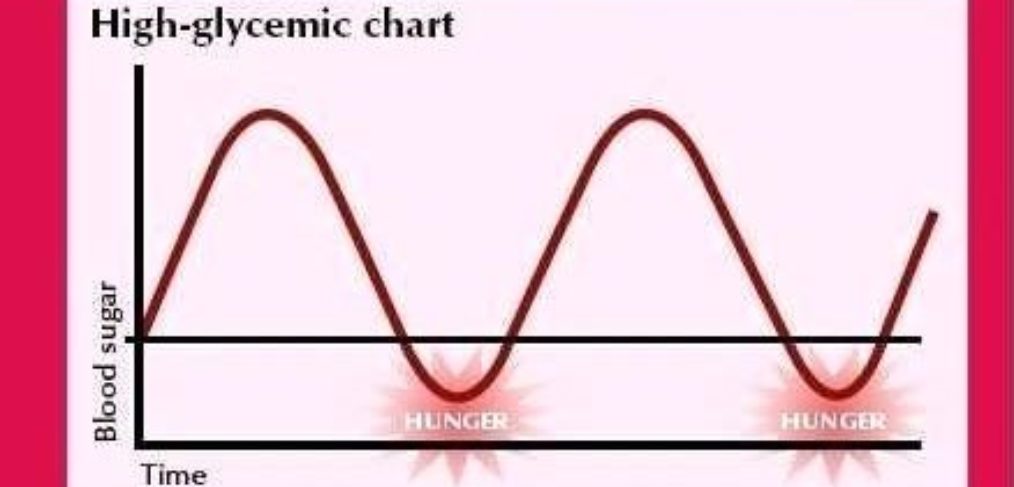
High blood sugars may indicate a need to reduce insulin resistance

Reduce Insulin Resistance

There are lots of ways to reduce insulin resistance. The best ones for you are the ones you can implement and sustain with pleasure and commitment. There is no one-size-fits-all diet that is perfect for everyone. But there are some important principles that are true, regardless of what plan you choose to reduce your insulin resistance. The more of these principle you can adopt, the greater your chances for a return to healthy insulin sensitivity.

Why is it important to reduce insulin resistance?

Insulin resistance is a precursor to chronic illness, including heart disease, Type 2 diabetes, cancer, Alzheimer’s, obesity, and liver and kidney disease. It’s the smoke detector that signals that your body is on fire. But waiting until your lab tests show high blood sugars is like waiting until the 2nd story is engulfed in flames before you call the fire department.  Insulin is a critical wellness marker. Ask your doctor, or visit an online lab to request fasting insulin levels. Optimally, your number should be 5 or less.

Breakfast Like a King

If you choose to eat in the morning (many people prefer a fasting approach), your meal should contain at least 15 grams of high quality protein. By high quality, I mean as much wild-caught, grass-fed, free-range and organic as you can find and afford. Filling up on protein not only helps your body build new non-insulin resistant cells, it also helps satisfy your appetite without reaching for another bowl of cereal.

The debate over fats – which ones and how much – is hotly contested. However, it is clear that too many refined carbs will immediately raise blood sugar levels, followed by an increase in insulin. Fats slow down the absorption of glucose into the blood stream. Many people have success by including nuts and seeds in their morning meal, and by using olive oil or coconut oil regularly.

Are Carbs Good or Bad?

Each proponent of insulin reducing diets has his or her own guidelines on carbohydrates. Some say eliminate fruits. Others say eliminate grains. Or both. Still others say fruits and grains are acceptable as long as they are not processed or refined. Regardless of these differing opinions, individuals with insulin resistance are likely to have exaggerated responses to high glycemic foods, even unrefined ones. Therefore, in short-term, it’s a good idea to reduce carbohydrate intake in general.

More specifically, avoid sweeteners of any kind and stay away from flour initially, even gluten-free varieties, as these convert to glucose and raise blood sugars rapidly. Many people find that limiting fruits to one serving a day is helpful.

Vegetables are carbs. But non-starchy vegetables have such a low-glycemic index, are so nutrient-dense, and are high enough in fiber, that they are welcome in any dietary approach. A good rule of thumb is to fill your plate half-full with vegetables, starchy ones excluded. (Corn, potatoes, peas, and root vegetables are best minimized while you reduce your insulin resistance.)

Can a Ketogenic Diet Reduce Insulin Resistance?

The keto approach is too extreme for most people to be able to sustain for more than a month or two. Reducing insulin resistance should be a long-term lifestyle. However, you might find a keto diet is a great way to jump start your progress or get you off a plateau, provided you have the digestive capacity (and gall bladder function) to increase your proteins and fats that dramatically. If you don’t feel well doing keto, you’re just as well off to simply keep your carbs under 100 grams per day if you are moderately active or under 50 grams per day if you are largely sedentary.

Move it!

I think all researchers will agree that exercise increases insulin sensitivity. The best exercise for you is the one you will consistently engage in! Some people are inspired by using a device to count their steps. Others feel they have to sweat! Research shows that high-intensity interval training and resistance training with weights or therapy bands are both effecting in reducing insulin resistance.

Raise Your Oxytocin

Cortisol is released during stress, and cortisol raises blood sugars. When stress is chronic, blood sugars are also chronically high. Since high blood sugars damage organs, your body protects yourself with a continuously high output of insulin to stow those sugars away in various organs and tissues. But chronically elevated insulin leads to insulin resistance. Therefore, even on a clean diet with lots of exercise, stress begets insulin resistance.

The answer to high cortisol levels is to find ways to raise your oxytocin. These two hormones work like a see-saw. When one goes up, the other goes down. You can raise oxytocin by engaging your five senses:

  • Look into the eyes of a loved one.
  • Breathe deeply of diffused essential oils, or better yet, flowers, trees, leaves, and soil.
  • Listen to nature sounds or beautiful music.
  • Savor the complex flavors of a well-prepared nutrient-dense meal.
  • Snuggle with a child, a partner, or a pet.
  • Take up a hobby, such as dancing or painting.
  • Laugh.
  • Notice the clouds, individual blades of grass, the caress of a breeze, or other details of nature
  • Like a child, run your fingers through the sand, or mold a ball of clay, or play with someone’s hair.
  • Write your feelings in a gratitude journal
  • Get acupuncture or a massage
  • Eat to raise oxytocin, using strategies in this post. 

Do You Need Help Reducing Insulin Resistance?

If you have implemented as many of these strategies as you can and need help troubleshooting a lack of progress, I’m here to help! I use my functional approach to detect imbalances that may be creating roadblocks for you.
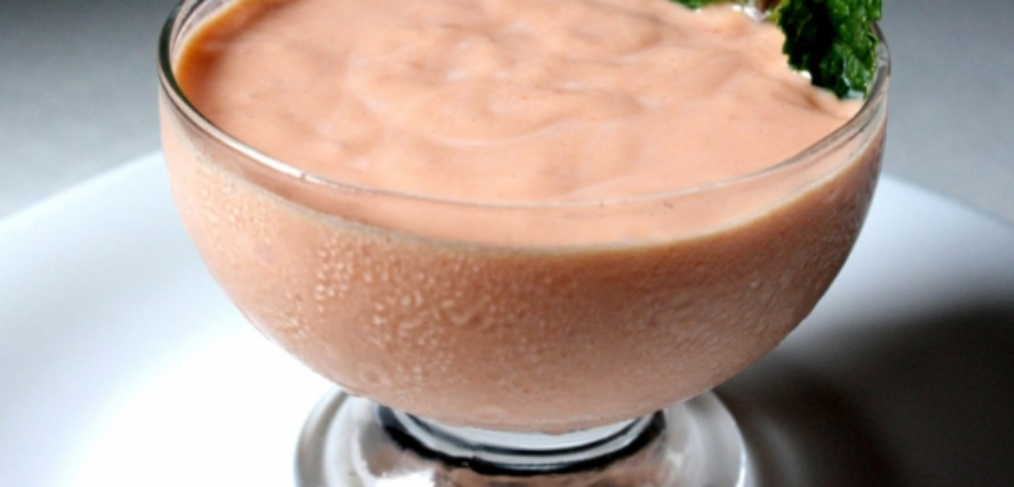
Heart Healthy Papaya Pudding

Heart Health Every Month

Heart health is vital all year long, not just during American Heart Health Month. Here are some tips to keep your cardiovascular system strong for life!

Magnify Antioxidant Power

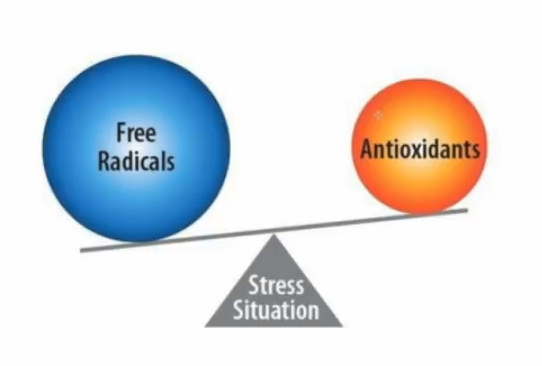
Functional nutrition concerns itself, not with disease, but with the inflammation & imbalances that incite disease. To speak succinctly, chronic inflammation occurs in your body when free radicals outnumber antioxidants.

Heart Health is threatened by an imbalance of free radicals

Free radicals are very reactive particles that burn through most things they touch in a process called oxidation. When they damage tissues of the cardiovascular system, they threaten your heart health.

In the nutrition world, processed vegetable oils, refined sugars, and alcohol are top contributors to free radicals. Dietary sources of antioxidants are vitamins A, C, and E, coenzyme Q10 (CoQ10), alpha lipoic acid, and bioflavanoids – the pigments that give plant foods their rich colors.

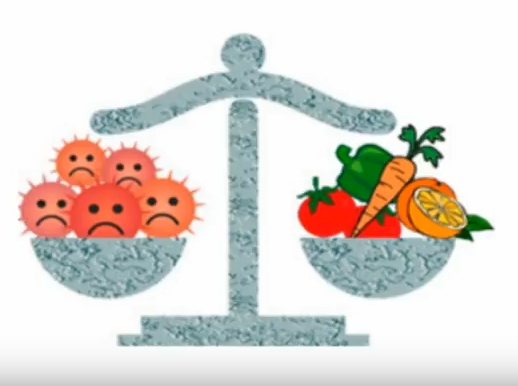
fruits and vegetables in a balance with free radicals

In plain English, that means eat lots of brightly-colored produce. A study of 3100 different edible substances discovered that herbs and spices were among the highest sources of antioxidants.  Spices such as turmeric, cumin, and ginger; and herbs, such as cilantro, and peppermint are especially powerful.  Here’s a tip: add leafy herbs to your smoothie, and have a shaker bottle of warm spices, such as these, near the stove to sprinkle on your meats, soups, and stir-fries.

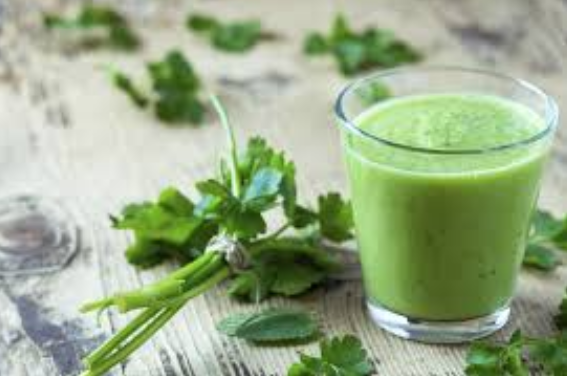
Cilantro Smoothie

cilantro smoothie

Blend together: 6 mandarin oranges, 6 oz. pineapple juice concentrate, 1 can full fat coconut milk, 1 bunch cilantro, and 1 cup ice.

Tame Inflammation

Most Americans eat too many pro-inflammatory Omega 6 fatty acids. Vegetable oils made from corn, cottonseed, canola, soy, and safflower are high in Omega 6’s. Omega 3 fatty acids help re-establish balance and support heart health by managing inflammation, reducing triglycerides, and slowing plaque build-up.

However, since your body can’t make them, you have to get them from food. Fish is the best source. But if you don’t like fish, then walnuts, chia, and flax are your next best sources. To ease more fish into your diet, you can make fish patties.

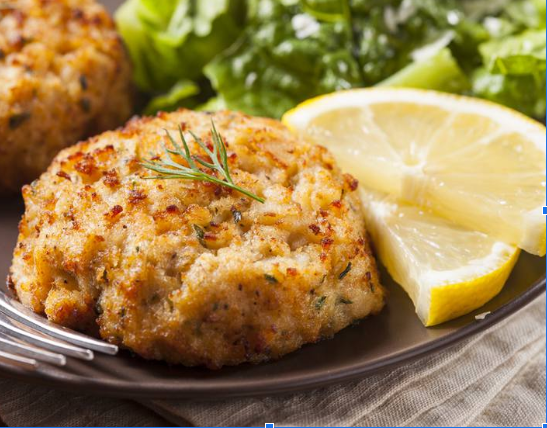
Easy Fish Cakes

Fish Patty

Mix together equal parts cooked white fish and mashed potatoes. Add Old Bay Seasoning to taste. Form patties and toast on a hot griddle. Serve with lemon and dill.

Support Methylation For Heart Health

Methylation is  one of the most essential processes in the body. It detoxifies homocysteine, an amino acid that can threaten heart health by increasing inflammation and damaging blood vessels. You need folate and vitamin B-12 for methylation.

The best sources of these important B vitamins are dark leafy greens and liver! Many people detest liver, so your tip to use this nutrient powerhouse is to hide it from yourself. Mix 1 part ground liver into 4 parts liberally-seasoned taco meat.

tacos with ground beef and liver

To eat more leafy greens, try these recipes for wilted or cooked greens from traditional cultures.

Maximize Magnesium

This essential mineral is especially important to control blood pressure and prevent arrhythmias. One study suggests that up to 75% of Americans are not meeting the recommended daily allowance. Since magnesium insufficiency often manifests as muscle weakness, it is critical to get enough magnesium for your most active muscle – your heart.

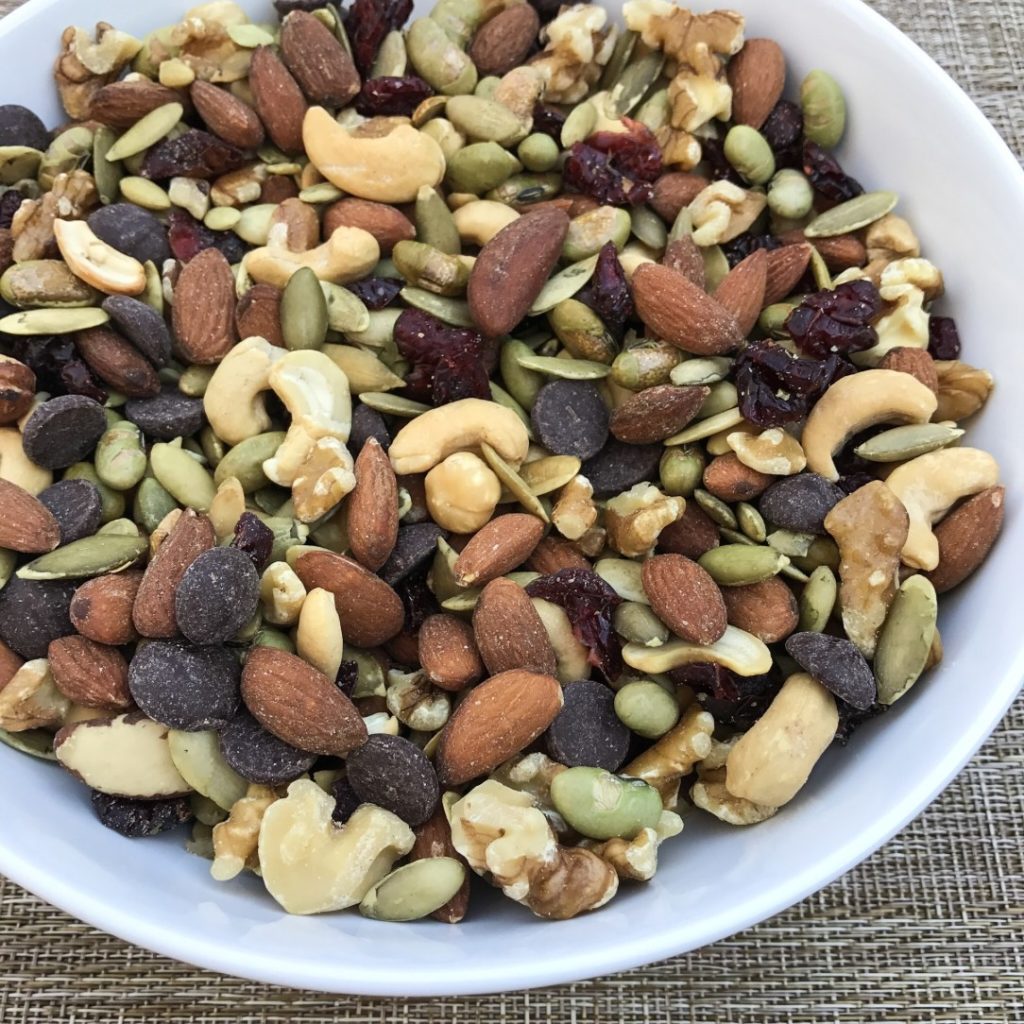
Super Magnesium Trail Mix

heart healthy trail mix of cashews, almonds, pumpkins seeds and cacao nibs

Toss together raw pumpkin seeds, almonds, raw cashews, and extra dark chocolate chips. If desired, add dried cherries or dried cranberries.

Prevent Plaque Formation

According to this study, Vitamin K-2 can prevent both hardening of the arteries and plaque build-up in the arteries. You would think that if a specific vitamin had actually been shown in clinical study to be associated with a 50% reduction in cardiovascular disease risk (yes, half!) that it would be a major news headliner, right? Unfortunately,Vitamin K2 is prevalent mostly in animal foods that many people shy away from because of nutritional myths. These foods include grass-fed butter, cheeses, fatty red meats (e.g. ribeye steak), liver, and egg yolks. The food containing the highest amount of vitamin K2 is a highly fermented soy food called natto, which very few people can tolerate due to its strong odor and flavor.

However, increasing your vitamin K-2 intake might be easier than you think. Instead of grabbing chocolate when you hit that energy “coma” in the afternoon, snack on gouda cheese and whole grain crackers instead.

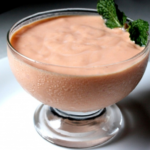
Since egg yolks are also high in this critical nutrient, you can maximize your intake with this beautiful Brazilian dessert, known to Americans as Papaya Pudding.

Creme de Papaya

A light, satisfying, low-sugar version of a Brazilian classic
Prep Time10 minutes
Cook Time5 minutes
Standing time10 minutes
Total Time15 minutes
Course: Dessert
Servings: 4
Cost: $5

Equipment

  • Blender

Ingredients

  • 1 lb. very ripe papaya chunks
  • 1 large ripe banana
  • 1/4 c. lime juice
  • 1/3 c. honey
  • 1/2 c. full-fat coconut milk
  • 3 tsp. grated ginger root (grates best when frozen)
  • 1/4 tsp. nutmeg
  • 1/2 tsp. salt
  • 4 egg yolks

Instructions

  • Puree the papaya, banana, lime juice, honey, coconut milk, ginger, nutmeg, and salt in the blender.
  • Transfer mixture to a saucepan or microwave-safe bowl and heat, stirring frequently, until steamy.
  • Remove from heat. Add egg yolks to the blender jar, and turn the motor on low.
  • While the blender is running, slowly pour the papaya puree into the blender jar. Process until creamy.
  • Pour into dessert dishes and let stand 10 minutes before serving or refrigerating.


Antioxidant Strawberries are Valentines that love you

Valentines That Love YOU

Satisfy your sweet-loving heart – and your sweetheart – with Valentines that love you back! These treats bring nutrients to your heart, muscles, skin and lungs, even your very cells. Because you create them from all-natural ingredients, you get no inflammatory lash-back from refined sugars, artificial colors & flavors, and processed oils. No recipe necessary! Just mix and share. After all, real food = romance!

Strawberry Hearts

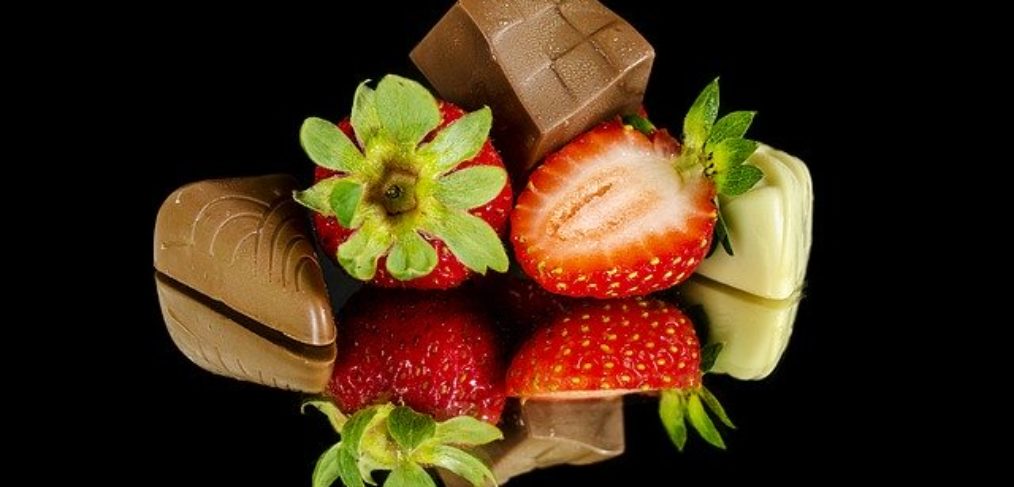
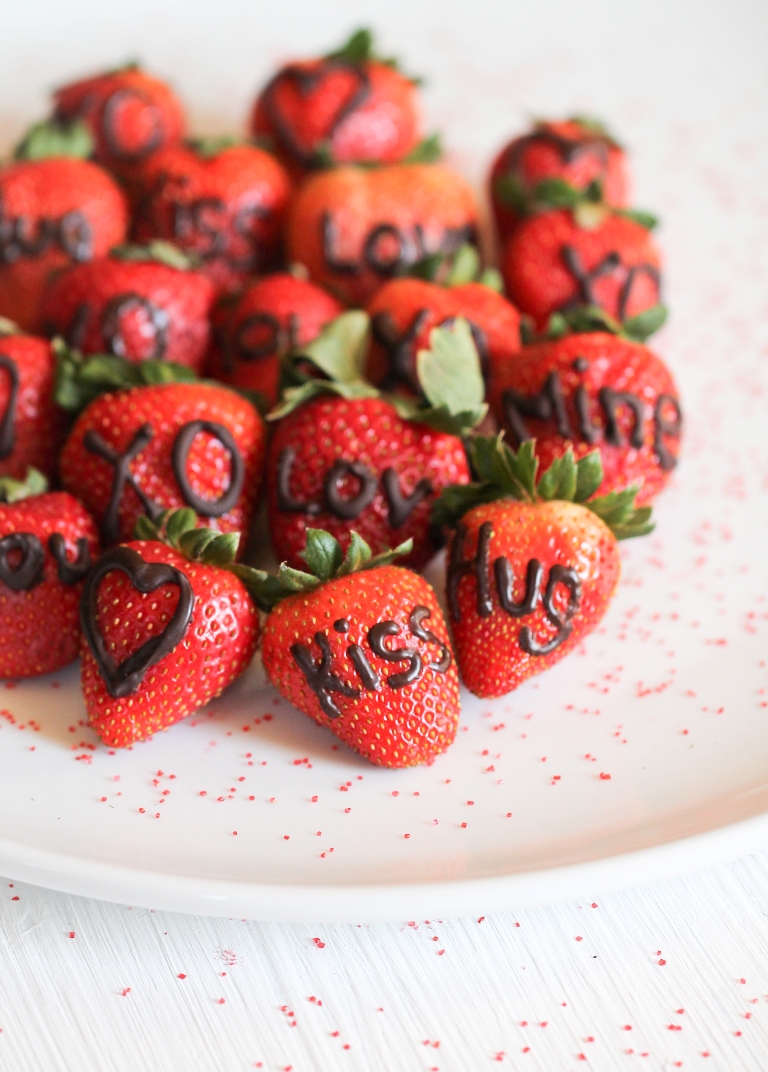
Dip fresh strawberries in melted dark chocolate (at least 70% cacao), then sprinkle with chopped nuts or unsweetened coconut flakes. Want to send your Valentine some extra love? Instead of dipping the strawberries, draw on them, like Brandi at The Vegan 8, using an icing bag filled with melted chocolate.

White plate of strawberries with chocolate words


Valentine Love Pudding

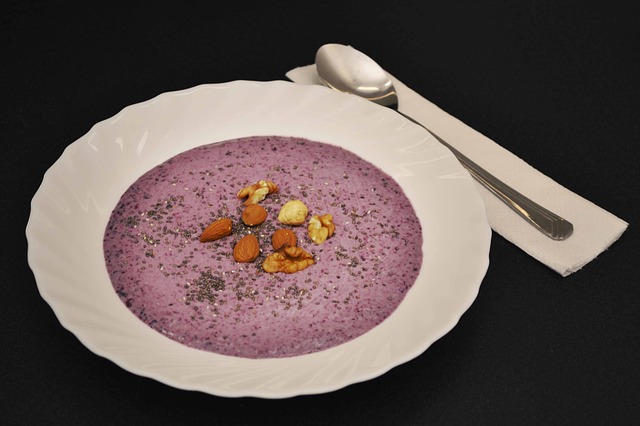
You know the chia pudding that was popular a couple of years back? Why not adapt it for February 14th? Go ahead and mix your full-fat can of coconut milk with a couple of tablespoons of chia, but just before you add a pinch of salt and set it in the fridge to set up, stir in just enough juice concentrate to sweeten it. Try pomegranate, cherry, or cranberry for a beautiful pink color. Then when you are ready to serve it, top it with nuts and fruit, such as goji berries, pitaya, raspberries or cherries.

boysenberry pudding makes a delightful valentine


Cupid Chocolates

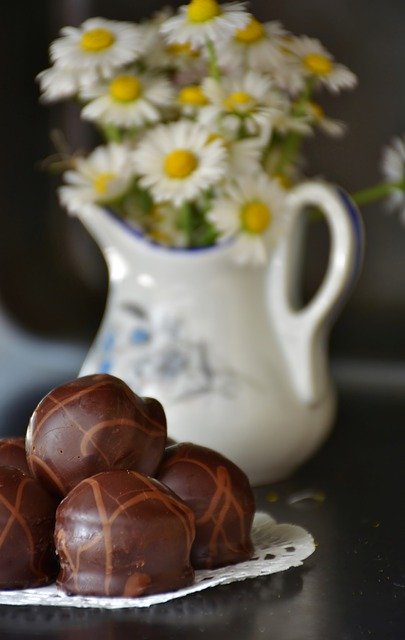
With just 3 ingredients, you can spread the love! Start with an all-natural peanut-butter, such as Adam’s, and mix in just enough pure maple syrup for a semi-sweet taste. Form into small balls (or even hearts if you like), and chill while you melt some dark chocolate (70% cacao or more). Dip the balls in the melted chocolate and set them in paper candy cups.  Before the chocolate sets, sprinkle with red sugar crystals.

With 3 ingredients, PB chocolates share the Valentine love

A Valentine Mousse to Love

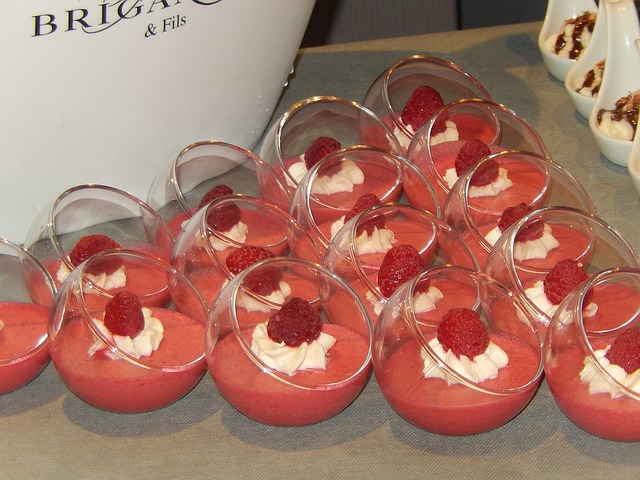
What could be more romantic than a creamy pink mousse, shared by candlelight? Plus, it whips up so quickly, you can spend the extra time getting ready for the big night. Simply combine equal parts heavy cream and softened cream cheese. Add some pureed raspberries to taste and spoon into dessert cups. Chill. Just before serving, top with fresh raspberries and a dolop of whipped cream.

raspberry mousse that loves YOU

Heart’s Delight

Love chocolate and fruit together? Here’s a filled valentine that loves you because there’s no added sugar. You need freeze-dried raspberries or strawberries and coconut butter, plus some melted dark chocolate (70% cacao or more). Start by melting the coconut butter in a double boiler. Meanwhile, using a blender or food processor, powder the berries by pulsing the motor. Add the powder to the coconut butter at a ratio of about 4 parts coconut butter to 1 part berry powder. Pour into candy molds and chill to set. When candies are firm, dip in melted chocolate and leave in a cool place to set.

These valentine chocolates have a surprise raspberry filling

Lover’s Pie

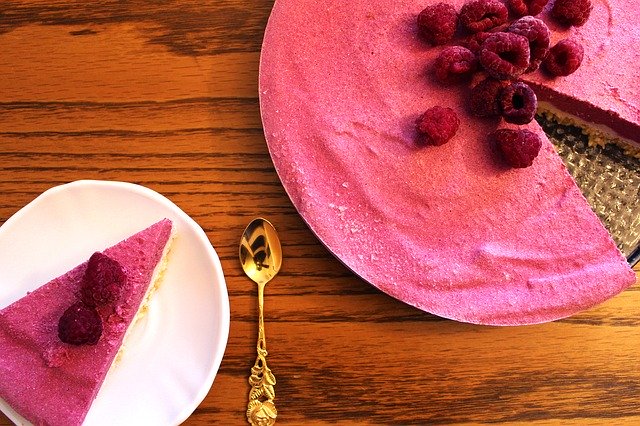
Give your Valentine some love with a light fresh fruit pie. Blend any kind of nuts until they release their oil and begin to stick together. Press them firmly into the bottom of a pie pan. Next, empty about of pound of fresh or frozen berries into a saucepan along with a half of a cup of water. Bring to a simmer, and cook until the berries break down. Sprinkle in a couple of tablespoons of gelatin, and stir until the gelatin dissolves. Pour over the nut crust and refrigerate until set. Top with more berries.

berries and gelatin make a fruit pie your Valentine will love

What you eat matters because YOU matter! If you want to live and give your best, you must eat your best! To be someone’s Sweetheart, cherish your own sweet heart by eating only ingredients that love your body back. If you’re confused about the connection between your diet and your symptoms, check out what Functional Nutrition can do for you.