Do I really need more omega-3 fat in my diet? How much is enough? How can I increase my omega-3 levels? Isn’t flax seed oil just as good as fish oil? These are questions I hear a lot in my practice.
Why are Omega-3’s Essential Fatty Acids?
Omega-3 fatty acids are classified as essential because your body can’t make them. But you need them for life itself. Every cell in your body incorporates omega-3’s into its membranes, in order for nutrients to enter and wastes to exit. Omega-3 fats are necessary for cell receptors to work properly. Not only that, you have to have omega-3’s to create hormones that regulate blood clotting, inflammation, and arterial dilation. They seems to be important in preventing heart disease and stroke, and may help control eczema, rheumatoid arthritis, and other immune conditions. They may even be cancer-protective.
There are three types of omega-3 fatty acids: ALA, EPA, and DHA. ALA is the most common in the American diet, showing up in vegetable oils, nuts, and seeds, particularly walnuts, chia, and flax. The other two omega-3 fats are considered marine oils because they occur mainly in fish. EPA and DHA do not exist in plants.
Why is DHA Important?
DHA, short for docosahexaenoic acid, perhaps should be considered an essential fatty acid in and of itself. While your body can convert some ALA from nuts and seeds into DHA, that conversion rate is less than 10%.
DHA is critical for your brain. A full fifth of all the fat in your brain is from DHA. Additionally, DHA functions like the insulation on all the electrical wires in your house: it forms the myelin that insulates all your brain circuits. The reason animals have DHA and plants don’t is because it’s used for focus, decision making, and problem solving. I haven’t met any reasoning plants, yet.
The science of essential fatty acids is still young, and there are not defined minimums for omega-3 fatty acids in the diet. But here are some recommendations that we do have: According to the National Institutes of Health, an adequate intake of ALA for women is 1100 milligrams per day (1600 mg/day for men). The USDA 2015 dietary guidelines encourage adults to obtain at least 250 mg per day of marine omega-3 fatty acids to protect against heart disease.
Best Sources of DHA
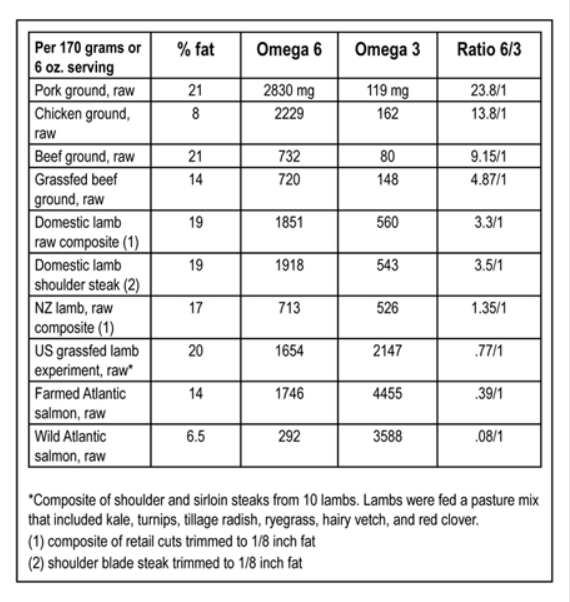
Land animals have very little omega-3 compared to fish. While grass-fed beef may have twice as much omega-3 fat as corn-fed beef, still it only has about 80 milligrams in 3-4 ounces, compared to 1000 milligrams in the same size serving of salmon. Recently, however, lamb has come to the forefront as an alternative for those who can’t abide the smell or taste of fish. The chart below compares the amounts of omega-3 fatty acids in various cuts of meat.
Still, those numbers include ALA, and are not truly reflective of the amount of DHA available for your body. So, the bottom line is that yes, you do need to eat fish! A good recommendation is 8 ounces per week.
The Thanksgiving dilemma is that we want to FEAST, but we don’t want the food coma that follows!When you make your Thanksgiving unprocessed, you will actually eat less and be more satisfied! Switch out manufactured foods for whole foods that don’t come with a nutrition label to have a truly pleasurable meal that doesn’t leave you feeling sluggish and sick!
Non-boxed Stuffing
It’s time to think outside the box – the stuffing box! In this wild rice stuffing, say goodbye to stale bread & long ingredient lists. Say hello to tender wild rice, crispy bacon, mushrooms, herbs, nuts, & cranberries.
1 c. wild rice blend
2 c. chicken bone broth
1 bay leaf
1 Tb. butter
6 slices bacon, fried and crumbled
1 onion, diced
8 crimini mushrooms, sliced
4 cloves garlic, minced
3 stalks celery, finely chopped
½ c. fresh cranberries
1 tsp. dried thyme
1 Tb. fresh snipped sage
1/3 cup chopped pecans or walnuts
Salt & pepper to taste
Bring the bone broth to a simmer. Add the wild rice, bay leaf, and butter. Then cover, reduce heat to low, and cook until all liquid is absorbed, about 40 minutes. Meanwhile, saute the onions, mushrooms, garlic and celery in a little bit of the grease left from cooking the bacon. When vegetables are soft, stir in cranberries and cook just until they pop. Mix in the herbs.
Combine the rice, bacon, sauteed vegetables and nuts. Season to taste. Voila! A classic recipe for Thanksgiving, unprocessed and original!
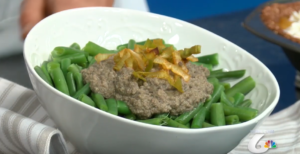
Green Beans with Mushroom Gravy
Forget the canned soup for this green bean casserole that is loaded with flavor! Portobello mushrooms and balsamic vinegar are sauteed in butter and thyme, then topped with baked leeks for a bit of crunch in this amazing unprocessed Thanksgiving comfort food!
1 leeks, thinly sliced (white part only)
1/2 Tb. avocado oil
1/8 tsp. each salt and paprika
24 oz. frozen green beans
1 small yellow onion, diced
2 1/2 c. sliced portabello mushrooms
3 minced cloves garlic
2 Tb. butter
1 tsp. dried thyme
1/2 tsp salt
2 Tb. balsamic vinegar
¾ c bone broth
24 oz. (2 pkg.) frozen green beans
Toss the leeks with avocado oil, paprika and salt. Microwave in a covered bowl for 2 minutes. Transfer to a baking sheet lined with parchment paper, spreading them out into a single layer. Place 6″ beneath the oven element and cook on low broil for 4-5 minutes until golden.
Saute the onion, mushrooms, and garlic in butter and thyme until tender. Add salt, vinegar, and broth. Simmer 10 minutes. Blend until smooth.
Steam the green beans according to package directions. Fold beans into mushroom gravy. Garnish with leeks.
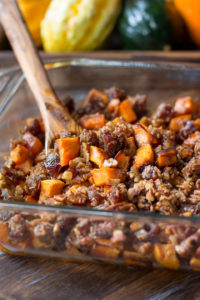
Traditional Candied Yams
Dates, pure maple syrup and cinnamon lend a decadent sweetness to these classy candied yams– without artificial ingredients — to make an unforgettable comfort food for your Thanksgiving Unprocessed.
6 c. yams, peeled and cubed (2-3 yams)
4 Tb. butter, melted
1 c. chopped pitted dates
1/2 c. boiling water
4 Tb. pure maple syrup
1 tsp. cinnamon
¼ c. unsweetened coconut flakes
2 Tb. butter, melted
Toss yams with 4 Tb. butter and layer in a 9×13 baking pan. Roast at 425° for 25 minutes.
While yams are roasting, pour boiling water over dates to soften. After 5 minutes, strain the dates. Combine the dates, maple syrup, cinnamon, coconut flakes, and 2 Tb. butter. Toss with roasted yams and bake at 350 for 15-20 more minutes.
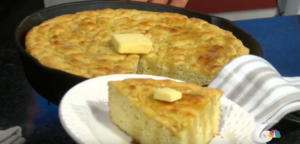
Homemade “Cornbread”
Pass up the frozen dough and gluten bloat when you make this absolutely scrumptious corn bread from millet, buttermilk, and sweet potatoes. No sugar needed!
2 Tb. coconut oil
1 c. millet flour
1/4 t. baking soda
1 1/2 t. baking powder
1/4 t. sea salt
1 c. buttermilk
1/2 c. sweet potato, cooked and mashed
1 egg
Melt the coconut oil in a 10″ oven-proof skillet.
Combine the flour, baking powder, baking soda and salt in a mixing bowl. In a separate bowl, whisk together the buttermilk, mashed potato, and egg. Add the potato mixture to the flour mixture and stir just until combine
Spoon into skillet and bake in a preheated 425° oven for 20 minutes.
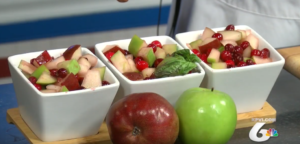
Fresh Fruit Salad
In this rosy cranberry fruit salad, there’s no need for imitation whipped topping! The unprocessed burst of flavor comes from honey, warm spices, and orange juice, perfect for your Thanksgiving meal!
5 whole cloves
3-4 allspice berries
1 stick cinnamon
½ c. honey
½ c. orange juice
1 pkg. fresh cranberries
2 red pears, diced
2 green apples, cubed
Put spices in the center of a coffee filter. Bring the edges together like a bag to enclose the spices. Secure with a wire twist tie or a piece of string. Put the honey and orange juice in a saucepan. Add spice bag. Simmer over medium heat until reduced by half.
Remove and discard the spice bag. Add the cranberries to the pot and cook until berries are softened. Remove from heat. Cool, then add pears and apples.
Unprocessed Thanksgiving Pie
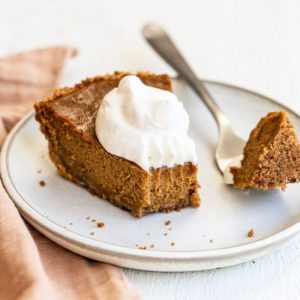
You’ll love this mouthwatering no-bake pumpkin pie! The yummy cookie crust contains only unsweetened coconut flakes and dates. So there are no trans-fats or processed flours. And the delicious pumpkin filling is made without canned milk!
Cookie Crust:
2 c. unsweetened coconut flakes
1 ½ c. pitted medjool dates, roughly chopped
Process the coconut flakes and dates until the mixture resembles brown sugar. Press mixture firmly into a pie tin. If you desire a crisper crust, poke holes in it with a fork and bake at 350° for 12-15 minutes. Cool and fill.
Pumpkin filling:
1 Tb. gelatin
3 Tb. water, divided
2 c. cooked pumpkin (may be fresh, frozen or canned)
2 ½ tsp. pumpkin pie spice
½ c. butter, softened
1/3 c. honey
Soften the gelatin in 1 Tb. cold water. Add 2 Tb. boiling water and whisk until frothy. Blend the gelatin mixture, pumpkin, spices, butter, and honey. Pour into crust & refrigerate.
Your Thanksgiving Unprocessed
When you eat real food, you are less likely to overeat. But if you do happen to gorge yourself on all this appetizing, nourishing food, your best bet is to take a walk instead of hit the couch.
If you feel bloated or have heartburn, try these natural remedies instead of reaching for Tums or Zantac:
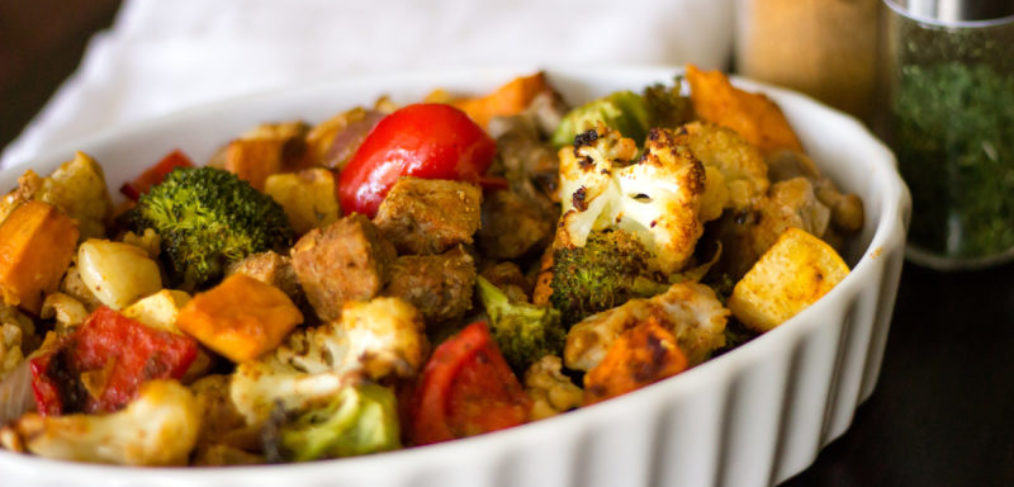
With a chill in the air, I’m eager for an oven-roasted meal full of fall flavors! But just because I’m eating whole foods doesn’t mean cooking a sheet pan meal needs to be complicated. When my husband wants take-out, I tell him I can have the meal ready before he can drive to the take-out counter and get home again. Really, a sheet pan meal only needs 20-25 minutes to cook – no tending needed! Throw it in the oven and read a book while it makes its magic of savory deliciousness!
Advantages of a Sheet Pan Meal over Fast Food
Aids detoxification with its inclusion of onions, garlic, or other alliums.
Anti-inflammatory! Find me one fast food meal that isn’t inflammatory!
Provides antioxidants to protect your cells against damage that leads to disease.
Can be adapted to any budget, any level of pickiness, any dietary restraints.
Uses good fats that are necessary to your health and avoids bad fats that contribute to inflammation.
Contains more vegetables than the typical take-out meal.
Doesn’t contribute to blood sugar imbalance.
Aborts cravings because it is so filling, mouthwatering, and nutrient-dense!
Saves well, so you can make a double or triple batch and not have to cook again for a couple of days.
So, let’s get started!
Pick Your Protein
What’s your preference: land or sea? A sheet pan meal needn’t be limited to beef or chicken. Shrimp, crab, scallops, fish fillets, and even mussels work wonderfully in oven-roasted fare. So do pork, venison, and lamb! Vegans can use products such as tempeh to create an appetizing dish. How much you use is up to you. I recommend 3-6 ounces per person, cut into bite-size pieces.
Choose Some Color
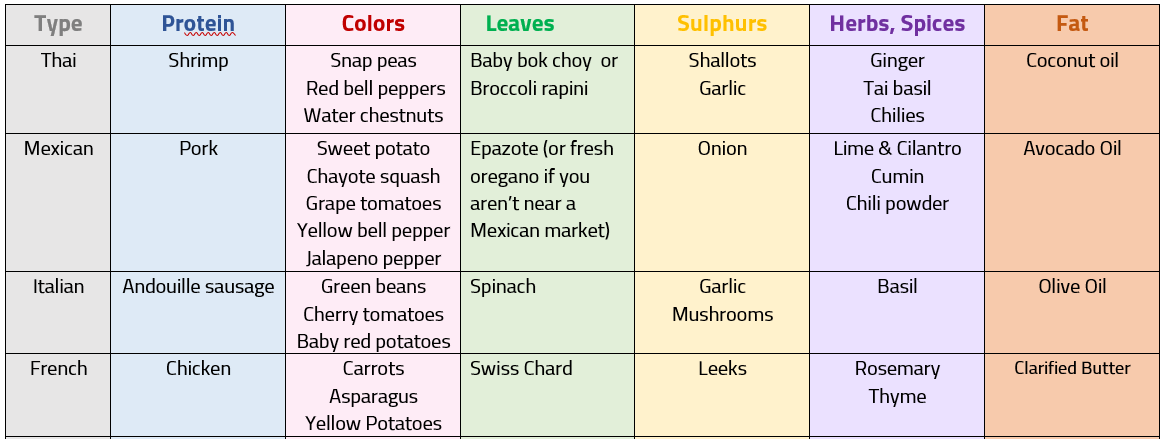
Here’s where it gets fun! Think of the rainbow. Mix and match colors and flavors to suit your personal preferences. Add as many as you like, but make sure you have at least 1/2 cup of cubed or julienned produce per person. Include firm fruits to provide sweetness if you want. The options you select for your individualized sheet pan meal may lend themselves to a particular ethnic flavor, so let your creativity reign! (See image at the end of this post.)
Yellow/Orange: summer squash, winter squash including pumpkin, yellow and orange bell peppers, pineapple, yellow beets, sweet potatoes/yams, carrots, and corn
Red: tomatoes, beets, red bell peppers, chili peppers, radishes, cranberries, red pear, rhubarb, red pear
Purple: eggplant, purple endive, purple cabbage, purple carrots, purple potatoes, dried plums, black currants, figs, or even elderberries
Green: beans, peas, broccoli, zucchini, Brussels sprouts, cabbage, asparagus, artichoke hearts, celery, endive, celery, green bell pepper, jalapeno, green chilies, serrano pepper
Grab Some Leafy Greens
In traditional cultures, a meal is not complete without some dark green leaves. Think beyond spinach here! Some options are mustard or beet greens, chard, kale, collards, arugula, bok choy, rapini, and watercress. Be generous because they are one of the most concentrated sources of nutrients on the planet. They will cook down substantially, so aim for at least 1 cup torn leaves per person. Since these do not require a long cook time, you can just toss them onto your sheet pan meal the last 3-5 minutes of cooking.
Remember The Sulphurs
No sheet pan meal – or other meal, for that matter – is truly balanced in flavor and composition without sulphurs. What are these? Primarily, they are the foods in the onion family, including leeks, garlic, chives, shallots, and scallions. But that’s not all. Mushrooms are sulphurs, too. So are the cruciferous vegetables. If you haven’t already added a cruciferous vegetable as one of your colors, here’s your chance to include some of the healthiest plant foods of all time. One onion and 2-3 cloves garlic are usually sufficient quantities for a single recipe of this oven-roasted entree.
Dress With a Temperature-Safe Oil
Polyunsaturated liquid oils, such as canola and safflower, are unstable and degrade at high temperatures. So stick with monounsaturated or saturated fats, like avocado oil, coconut oil, pastured tallow, or ghee (clarified butter). If your oil is solid, warm it enough to melt it, then toss with all your other ingredients in your sheet pan meal. Use about 1 tablespoon for every 2-3 cups of food on your tray.
Season With Herbs and Spices
Flavor your dish to suit your palate. Fresh thyme, oregano, basil, parsley, tarragon, and sage are winners. You may also like chili powder, cumin, coriander, turmeric, bay leaf, paprika, or cayenne. Just sprinkle your favorite flavors over you meal until the vegetables are very lightly dusted. Don’t forget salt and pepper. Now slide the whole tray into a preheated 450 degree oven and bake until meat is cooked through and vegetables are fork-tender (20-30 minutes). I usually turn the food after about 15 minutes to insure even cooking.
The Finishing Touch
When the sheet pan meal comes out of the oven, I like to give it just a splash of vinegar to add depth of flavor. My favorite is balsamic vinegar, but red wine vinegar is good, too! Of course, rice vinegar would be the perfect choice for an Asian meal.