eat for beautiful feet

Eat for Beautiful Feet

Summer is here! Did you know you can eat for beautiful feet!

Are you embarrassed to go barefoot or wear sandals? Many common foot problems can be healed and prevented through dietary changes. Check out these 10 ways to eat for beautiful feet.

1. Rough Dry Heels

Dry, flaky heels and foot callouses are an early sign of essential fatty acid deficiency. Fatty acids are used to create the membranes around each and every cell in your body. Because your body prioritizes nutrients for vital organs, your skin will be one of the first place this lack shows up. So, avoid deep fried foods and hydrogenated fats. Instead, focus on including fish oil in your diet, and check with your practitioner about the use of flax seed oil or black current oil.

2. Foot Cramps

When cramping is infrequent and sporadic, you may simply be dehydrated. A tall glass of water may correct the situation without further problem. But if cramping occurs repeatedly, it may be a sign of mineral deficiency. Potassium, calcium, and magnesium are the most common electrolytes you need to keep your muscles contracting and relaxing properly. Therefore, you must eat mineral-rich leafy green vegetables frequently and don’t be shy about organ meats in your diet. Try adding a pinch of sea salt or a splash of lemon juice to your water. Avoid empty calories from nutrient poor foods such as chips, pop, and sweet treats.

Additionally, eating under stress keeps you from absorbing the minerals in your food. Take these four steps at meal time: sit down comfortably, breathe deeply, slow down, and chew thoroughly.

3. Itchy Feet

Most people consider itchy, scaly athlete’s foot to be an annoyance on the surface of the skin. But it could be a sign of an imbalanced gut flora. To keep your gut microbiome healthy and protect your feet from itchy fungus, first, stay away from simple, sugary carbohydrates. Second, eat lots of prebiotic plant fibers, such as garlic, onions, leeks, asparagus, Jerusalem artichoke, apples, and green vegetables to support microbial balance.

Thick, pimple-like itchy patches on your feet may be causes by psoriasis. As with rheumatoid arthritis, an over-reaction of the immune system causes psoriasis. Healing the gut is imperative to balancing the immune system. Particles that escape through a compromised gut are what’s over-stimulating the immune system. Gut-healing foods such as bone broth and licorice tea can be healing after the offending triggers are removed. A food-sensitivity test may be important to detect what your triggers are.

4. Sore Toe Joints 

Achy joints, especially in the hands and feet, are often an early signal for rheumatoid arthritis, an autoimmune disease. This crippling disease results from a dysregulation of the immune system. To get the body back on track, the immune system needs foods high in micronutrients – vitamins, minerals, and phytochemicals. So, eat high-quality protein and lots of deeply-colored produce. Avoid the most common immune-triggering foods: gluten, dairy, soy, nuts, and corn.

5. Burning Feet

This sensation is common among diabetics. If you have not been diagnosed with this disease, check with your physician for blood sugar testing. In the meantime, eat foods rich in B vitamins and reduce your carbohydrate intake.

6. Foot Sores That Won’t Heal

This symptom is a major warning sign for diabetes. One in three Americans is diabetic and doesn’t know it. The greatest dietary contributor to this condition is an imbalance between carbohydrates and proteins and fats. Check the risk factors, and aim for no more than 40% of your calories from carbohydrate. Also, eat natural, unprocessed fats, such as olives, coconuts, avocados and butter, while avoiding hydrogenated and heat- or chemical-extracted oils. Finally, try to make at least 1/4 of your plate protein at every meal.

7. Pain in the Big Toe

Gout is a notorious cause of sudden pain in the big toe joint, along with redness and swelling. However, contrary to popular opinion, excessive protein is not always the cause of gout. In fact, drinking pop is a major contributor to this condition because the high fructose corn syrup breaks into purines in your body, resulting in uric acid build-up that settles in the joints. To maintain joint health, eat a balanced diet and limit your consumption of sweeteners.

8. Yellow Toenails

Fungal infections are usually the root cause of thickened yellow toenails. Treat as you would for athlete’s foot by reducing fungus-feeding foods: sweets, refined carbohydrates, and empty calorie foods. Focus on prebiotic vegetables. Lastly, eat probiotic rich foods such as kimchi, kombucha, kefir, and traditionally-fermented sauerkraut.

9. Spoon-shaped Toenails

If there has been no injury to the nail, iron deficiency is likely the cause this unusual shape. Your body absorbs heme iron, from animal products better than non-heme iron from plants. But aside from eating more red meat and organ meat, you can increase your iron absorption by consuming foods rich in vitamin C. For instance, include citrus fruits, berries, papaya, tomatoes, sweet potatoes, broccoli, cabbage, and dark green leafy vegetables. Also, don’t use acid blockers, over-the-counter heartburn remedies, or reflux medication, as these interfere with mineral absorption.

10. Blue toes

Toes that turn blue when exposed to cold might signal Raynaud’s disease. Raynaud’s is often linked to an autoimmune condition which requires gut healing, mineral-rich foods, and removal of the antigens. If you are fighting this disease, it is wise to contact a practitioner who can guide you through the dietary changes most appropriate for your unique biological make-up.

Eat for Beautiful Feet

In summary, they key to stylin’ in sandals is to eat a nutrient-dense whole foods diet. Remember to

  • Include lots of fruits and vegetables, especially dark leafy greens and deeply-colored produce.
  • Eat the right kind of fats – those that have not been processed or refined but occur naturally.
  • Include enough high-quality protein.
  • Limit carbohydrates to less than half of your calories.
  • Eliminate sugar and empty carbohydrates.
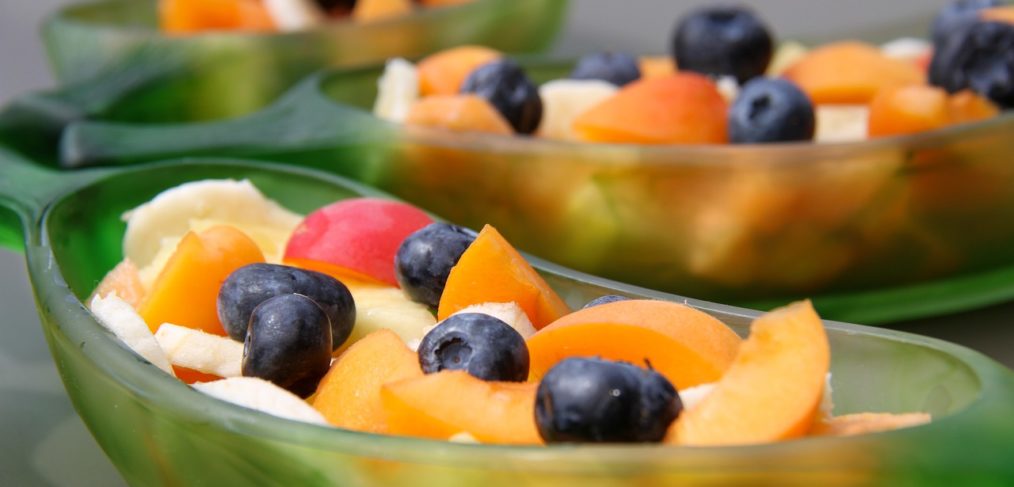
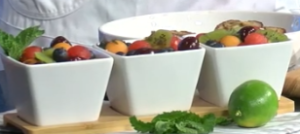
Rainbowl Salad is cooling food

Cooling Foods Beat the Heat

Cooling foods beat the heat by not requiring the oven for preparation. But they also keep the fire of inflammation down in your body.  No one wants to be hot from the inside out when the sun is blazing outside.

To keep your body cool, stay away from deep-fried food and entrees weighted with excessive meat. Focus on lighter seafood, green vegetables, and summer herbs, such as cilantro.

Next, steer away from heavier, starchy food, such as pasta and potatoes.  Instead, select juicy summer-harvested produce. Fruits come to mind, but even zucchini is a cooling food.

Finally, don’t indulge in inflammation-causing cookies, cakes, and pastries. Fennel, with its licorice-like flavor, can be paired with sweet pears for a light dessert in scorching summer heat.

If you have a chronic inflammatory condition, such as autoimmunity, pre-diabetes or heart disease, learn more about beating the heat with diet and lifestyle.

Chill Crab Cups

Create a refreshing entree with a combo of cooling foods that includes crab, cucumber, dill, and chives.

  • 16 oz. crab meat
  • 2 Tb. parsley, minced
  • 1/4 lb. snow peas
  • 2 stalks celery, diced
  • 1 cucumber, diced
  • 2 Tb. lemon juice plus zest
  • 1/2 cup sour cream
  • 2 Tb. fresh dill, minced
  • 2 Tb. chives

Toss ingredients together and serve in lettuce cups, in hollowed tomatoes, or in halved bell peppers.

Fruit Rainbowl with Lime-Mint Dressing

Drizzle anti-inflammatory fruits with revitalizing mint to give you relief from the heat.

  • 1 cup each: cantaloupe cubes, watermelon balls, cherries, blueberries, and kiwi slices.
  • Juice of 2 limes
  • 2 Tb. Honey
  • 3 sprigs of mint leaf

Combine fruits in a large serving bowl. Tear mint leaves and whisk together with lime juice and honey. Pour over fruit and toss.

Caramelized Pears & Fennel

In less than ten minutes, you can enjoy a unique, refreshing dessert that doesn’t heat up your body or your kitchen. Now that’s cooling food!

  • 3 pears, cut into wedges
  • 1 fennel bulb, sliced
  • 1/4 c. butter
  • 1 vanilla bean pod
  • 1/4 c. honey
  • 2 tsp. fennel seeds
  • 1/4 c. cream

Fry pears and fennel bulb in butter over medium high heat until pears are golden. Reduce heat. Remove pears and fennel to a serving plate. Slit vanilla bean pod open and scoop seeds into the skillet with the butter. Add honey and fennel seeds. Simmer 2-3 minutes, until  sauce is thickened. Drizzle pears with syrup and pour cream over the top.


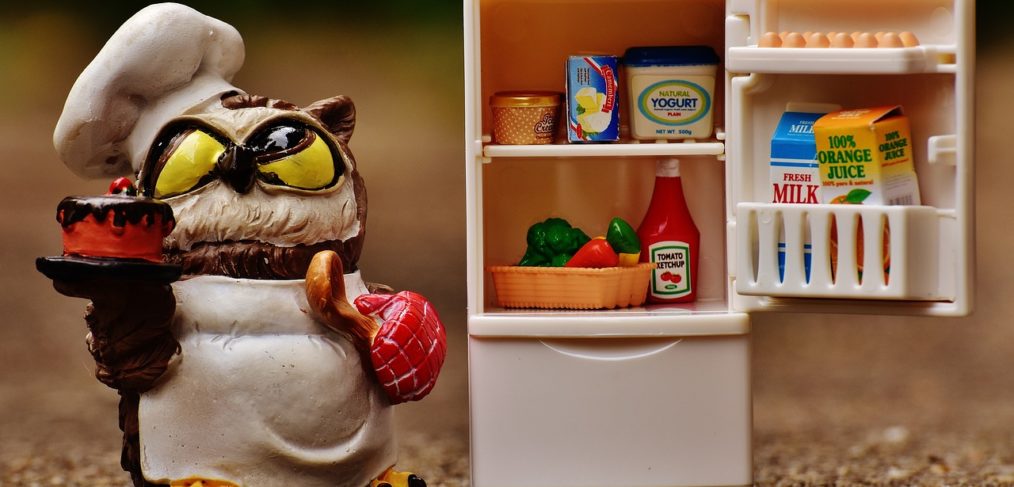
An American Refrigerator

American Refrigerator

What’s in your refrigerator? Is it full of real food or just food-like substances? I got a glimpse of a typical American refrigerator the other day. Unfortunately, I couldn’t have made a satisfying meal with its contents.

Is This Your Refrigerator?

When I opened the door, incredulity overtook me.  I found beverages, condiments, trans-fats, leftover fast food, and refined white flour products. In short, man-made products filled the shelves. I saw beer, wine, pop, flavored water, and Coffee Mate. Moreover, margarine, bread, buns, tortillas, leftover pizza, and a single lemon shared the compartments.

But, were the vegetables? Well, yes, if potatoes count! But, where was there protein? I suppose I could name the flavored, sweetened yogurt, and the processed cheese.

Is this the sum of an American refrigerator? Next, I opened the freezer. My dismay remained: ice cream, popsicles, waffles, and a box of chicken nuggets stood frosty and ready.

Cupboards to Rival This American Refrigerator

Maybe I would find real food in the cupboards.

I didn’t.

Similar to the refrigerator, there were substances to satisfy one’s cravings: popcorn, crackers, chips, chocolate chips, and Swedish Fish. If I intended to cook, I could have used the white flour, sugar, shortening, and vegetable oil. Then, I could pour imitation syrup on top. In summary, I discovered only three “meals” – instant oatmeal, canned soup, and canned chili. (Peanut butter is not a meal!)

Why is the American Refrigerator Problematic?

A steady stream of empty-calorie foods degrade your health. Unquestionably, food-like substances have been linked to fatigue, depression and diabetes. These non-foods negatively impact the function of your heart, your liver, and your brain. Furthermore, they can damage your memory and cause dangerous swings in your blood sugars. Not to mention increasing your risk of cancer. Lastly, they impair your digestion.

Refrigerator Makeover

So, how do you create a super-stocked refrigerator?

  • Start with produce. No health practitioner will argue that you need fewer plant foods. Fruits and vegetables are critical to optimal wellness. Your body needs the fresh leafy greens, brightly- colored tree and vine fruits, and cruciferous vegetables you store in the refrigerator. Strive for variety and include as many colors as possible.
  • Visit the butcher block and the fishmonger. While you don’t need an excess of protein, you should include good quality animal products in your diet. Regardless of your chosen diet, eat no less than 20 grams of protein per meal. Seafood and pastured animals provide building blocks for your red blood cells, hormones, immune cells, organs, bones and muscles.
  • Add some natural fats. Grass-fed butter, coconut products, olive oil, nuts, and avocados create health on a cellar level. They support brain health and contribute to beautiful skin, hair, and nails. Also, natural fats make vegetables taste good and are helpful in preparing meats.
  • Stick to whole grains. Steel-cut oats are a better choice than boxed cereal, and quinoa trumps pasta. Choose 100% whole wheat over products from refined flour.

No one can give you health. You create it from day to day by the choices you make. So, decide to fill your refrigerator with nutrient-dense food.

My anti inflammatory diet doesn't have food labels

My Anti-inflammatory Diet

What does a nutritional therapist eat to keep inflammation under control? Here are 3 secrets to my anti-inflammatory diet.

I Eat Foods That Don’t Have Labels

Compare some of the most inflammatory foods with some of the least inflammatory foods:

  • Processed meats
  • White flour products (bread, crackers, etc.)
  • Sweetened beverages
  • Desserts such as candy, ice cream, etc.)
  • Transfats, including margarine
  • Snack foods, such as chips
  • Cold water fish (salmon, sardines, etc.)
  • Dark leafy greens
  • Fruits (berries, cherries, grapes)
  • Sulphur vegetables (broccoli, cauliflower)
  • Natural fats (coconut, avocado, olives)
  • Spices & herbs

Can you see that the latter category comes without an ingredient list? I pick foods from farmer’s markets, gardens, dairy farms, ranchers, and roadside fruit stands, not from the factories of industrial food makers.  Also, when I’m at the grocery store, I shop the perimeter.

I Eat Close to Nature

Although a snack from the health food section of the supermarket may only have 3 or 4 ingredients, I would still rather have the fresh food rather than a packaged product. For example, why should I eat a fruit bar when I can simply have an apple or an orange? If that seems boring, I can create my own pudding, ice cream, popsicle, or other fun treat using only whole ingredients.

I Don’t Espouse an Anti-Inflammatory Diet

What I endorse is a way of life, not a short-term diet program. Too often, individuals fall into a trap of thinking that they will deprive themselves to meet a goal, then they will be able to eat whatever they want after that. I choose not to restrict myself, but to celebrate the vast array of flavors, colors, and textures that nature offers. After all, inflammation seems to be a modern problem that comes with modern commercial foods. I believe that following a traditional lifestyle puts me back in harmony with my body’s requirements for nutrition.

Want to learn more about how to eat anti-inflammatory foods? Contact me to set up a private mentoring session.

Woman can't stop carb-loading

Stop Carb Loading

Whether you just love breads and pastas,  or whether you’re unaware how skewed your diet is, you have to stop carb- loading if you want to balance your blood sugars.

Americans typically get 60-80% of their calories from carbohydrates. A healthier amount would be closer to 40%. That means filling the gap with wisely-chosen proteins and natural fats.

Choose Protein at Every Meal

Here are a few suggestions to get you started:

  • Swap cottage cheese for yogurt some mornings, or add cottage cheese to salad at lunch time. (Low-fat cottage cheese is 73% protein, substantially higher than yogurt, and definitely higher than nut butters, or beans).
  • Drink bone broth and substitute bone broth for water in cooking (for grains, legumes, sauces, simmered veggies). I even mix bone broth with tomato paste whenever I need tomato sauce. Most brands average about 8 grams of protein per cup. It’s easy to make your own!
  • Slip in an extra egg white! Yolks are mostly fat, but whites are almost all protein. (You can save the yolk for a moisturizing treatment for dry hair.)
  • Snack on grass-fed jerky. This helps offset the tendency to grab chips, crackers, cookies, and other empty carbs between meals.
  • Top salads with canned crab, shrimp, tuna or salmon. If your budget is tight, these seafood options are much more affordable than fresh fish, poultry, or meat.
  • Focus on breakfast. Adding a little more meat to lunch and dinner may be easy, but it’s trickier to get enough protein in the morning. If you want to avoid heavy, high-fat choices, you might consider a sausage alternative that goes well with breakfast foods.
  • Whisk some collagen powder into salad dressings, meat sauces, or even your oatmeal!
  • Sub sprouted grain bread for your regular loaf.

Ways to Stop Carb-loading

  • Limit yourself to 1/2 cup fruit at breakfast. If you are a smoothie lover, it may be easy to overdo it here. And if you eat oatmeal, remember that your bowl is all carbohydrate even before you start topping it with honey and fruit.
  • Choose grain OR potato for a meal, but not both. If your curry contains potato cubes, you don’t need rice, too. If you’re eating mashed potatoes, skip the dinner roll.
  • Reduce rice and pasta to 1/2 cup per meal.
  • Try Thin Slice bread for 15-17 grams carbohydrate instead of the 28-35 grams of a normal slice. Seeded breads tend to be lower in net carbs because the high fiber is subtracted from the carb count. A great one is Dave’s Killer Bread Power Seed.
  • When you eat out, skip the dinner roll.
  • Make breakfast count! Experiment with some low-carb breakfasts, such as egg & avocado, or cottage cheese pancakes, topped with honey butter (2/3 butter, 1/3 honey).

Stop Carb-loading to Restart Your Energy

High levels of refined carbohydrate intake have been associated with chronic fatigue, cravings, hormone imbalances, obesity, insulin resistance, depression, anxiety, high cholesterol levels, and even autoimmunity. If you want to regain your health, it’s best to stop carb–loading as your first step.