Jappy Hydration

Fun, Flavorful Hydration

Summer is coming, and with it, the need to drink more in the heat. Everyone knows soda – whether diet or not – isn’t healthy. But did you know that by switching from soda to water, you can boost your metabolism up to 30%? Even so, water is…well, boring! Check out these original ways for fun, flavorful hydration!

Raspberry Fizz

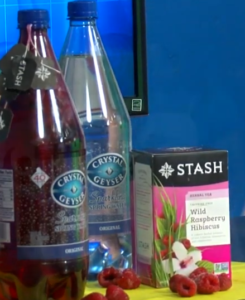
Pink Fizz is Fun Flavorful Hydration

This cold-infused tea is made in sparkling water to give it a pop-like sensation. By using an herbal fruit tea, you get lots of flavor and fizz with none of the harmful sugar or artificial sweeteners. Just dangle your tea bags from the neck of the bottle when you stick it in the fridge to chill. The next day, when you hit the pool or the zoo, it will be ready to enjoy.

Electrolyte Delight

Pina Colada Ice Cubes are Fun Flavorful Hydration

Coconut water has lots of electrolytes, but it also has a high sugar content when guzzled by the pint. Get a jazzy pina-colada flavor by freezing pineapple chunks (also high in electrolytes) covered with coconut water in ice cube trays. Plop a few in your water bottle for cold, crisp refreshment.

Monster Shaved Ice

Monster Shave Ice is Fun Flavorful Hydration

If you have a shave-ice machine, forget buying all the sweetened flavorings. Just pour your green juice spiked with refreshing mint over the ice. This is a high-electrolyte beverage, too, that fights inflammation and provides lots of vitamins.

Orange Fennel Infusion

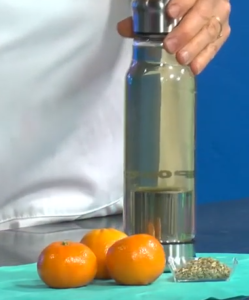
An Orange Fennel Infusion is Fun Flavorful Hydration

Fruit & herb infused water is all the rage. Using a tea-infuser, get a unique licorice-like flavor with crushed fennel seeds in place of herbs. Enhance the flavor with some orange zest. Fennel is purported to speed the metabolism and stimulate the body without the use of caffeine, so it’s a great drink if you have a lot of driving to do on your summer vacation. Caffeine actually induces more fatigue in the long run, because it is a diuretic, and losing just 1-2% of your body fluids can bring on fatigue. Fennel does not have any dehydrating effects.

More Fun, Flavorful Hydration Tips

When purchasing flavored waters from the store, check the label for sugar content, and avoid artificial flavorings. This post contains more ideas to hydrate correctly.


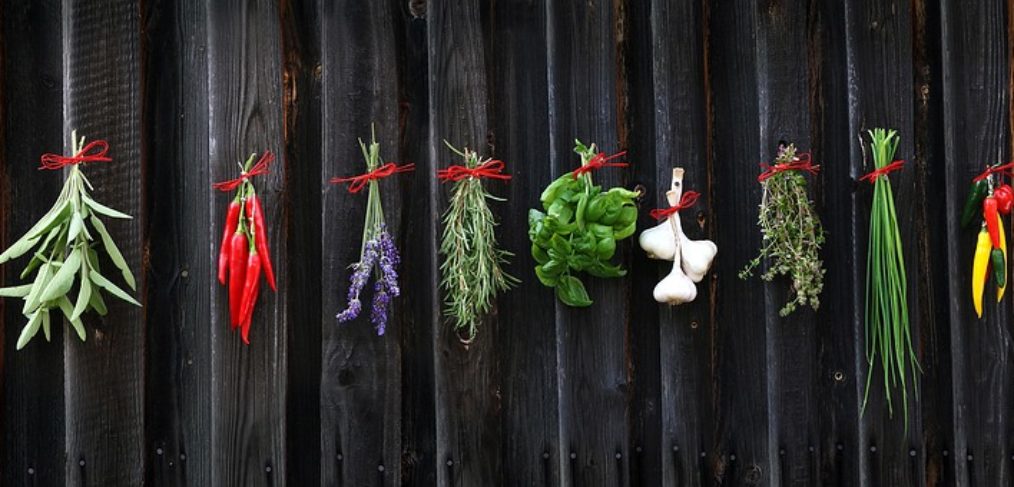
herbs are potent inflammation fighters

Inflammation Fighters

Taming inflammation is more than gulping cucumber juice and gobbling turmeric capsules. It’s incorporating inflammation fighters into your daily routine, and passing up the foods that flare an inflammatory response.

Eating Creates Oxidation

Your body is an engine. An engine is a device to convert fuel to energy. But the process is not perfect. As a result, waste results. For example, when a car burn gasoline, it expels exhaust. Likewise, when you burn your food, you create oxidation. That’s normal.

However, having more oxidants than antioxidants in your diet is not normal. Modern processed foods do not contain many antioxidants. So, they leave an excess of “reactive oxidative species” after you have consumed your meal. These ROS instigate inflammation. Hence, convenience foods – especially those containing sugar – are NOT inflammation fighters. If you have too much of them in your diet, your body responds like an old oil-burning truck.

Whole Foods Are Inflammation Fighters

Neutralizing ROS requires vitamins, minerals, essential fatty acids, and phytonutrients (plant chemicals) such as chlorophyll, beta-carotenes, quercetin, and other antioxidants. Often, processing destroys these necessary components to our diet. But eating food in its natural state preserves the synergy from these nutrients so they can interact with each other and our physiology to produce health. Fresh is best. So, of course, fruits and vegetables are going to be an important part of an anti-inflammatory diet. But animal products that contain minerals and Omega 3 fatty acids are important, too.

Five Ways to Add Inflammation Fighters To Your Diet

Don’t limit yourself to a supplement to maintain your health. Consider all the diverse ways of eating inflammation fighters throughout your day:

  • Beverages – Berries, of course, are rich in anti-oxidants, but so cherries. Think outside the box, and enjoy some tart cherry tea in place of your morning smoothie. Or add some unusual leafy greens to the blender when you make your drink. Cilantro is one of my favorites.
  • Seafood – You need Omega 3 fatty acids to quell the inflammatory response. No food is richer in this essential fatty acid than seafood, which includes fish, shellfish, and sea vegetables.
  • Vegetables – Many vegetables are champions when it comes to fighting inflammation, but the leafy greens are perhaps the superstars. So, fill  your plate with them. In addition, hide them in burgers, sauces, hashes, dressings, or any place else where you can chop them and stir them in. I include basil in my list of greens and consider it a great addition to desserts and drinks featuring berries.
  • Herbs – These unsung heroes supply Vitamins A, C, E, and K, which are critical inflammation fighters. Herbs are a delight to liven up boring salads, to add flavor to soups, to create appeal for cooked vegetables, to steep for teas, and to season meats. Not only that, they are inexpensive. You can even grow your own on a windowsill. One powerhouse you might not consider is nettle.
  • Spices – With potent phytonutrients, spices are mighty inflammation fighters. Beyond turmeric, other heroes include cumin, fennel, and ginger. These are easy to add to dry rubs, salad dressings, sauces, soups, stir-fries, sandwiches, and salads.

Inflammation Fighting Recipes

Try the following to expand your repertoire of inflammation fighting foods.

  • Tart Cherry Tea – Steep 1″ thinly sliced ginger root in 2 c. hot water. Strain, then stir in ¼ c. tart cherry juice, 2 Tb. lemon juice & 1 Tb. honey.
  • Cilantro Smoothie – Blend together: 6 Cutie oranges, 6 oz. pineapple juice concentrate, 1 can full fat coconut milk, 1 bunch cilantro, and 1 cup ice.
  • Parsley & Cucumber Salad – Toss 1-2 bunches chopped parsley with 1/2 c. cooked quinoa, 1 bunch sliced green onions, 2 diced tomatoes, 1 diced cucumber, 2 Tb. minced mint, 1 Tb. lemon juice and 2 Tb. olive oil.
  • Nettle & Lentil Soup – To a can of ready-to-serve lentil soup, add 1/2 tsp. cinnamon, 1/2 tsp. ground cumin, 1 Tb. lemon juice, and ¼ c. dried nettle leaves. Simmer until fragrant.
  • Salmon & Pineapple Skewers – Broil skewers of pineapple, red bell pepper and cubed salmon until meat is no longer translucent. Brush with a glaze of 1 Tb. soy sauce & 2 Tb. honey.
  • Mexican Crab Tostada – On a tostada, layer mashed avocado, crab meat, tomato, jalapeno (optional), and chopped cilantro. Top with salsa and garnish with lime.
  • Monster Burgers – Add ½ c. finely chopped herbs or leafy greens to 1 lb. hamburger. Season & cook as usual.
  • Berry -Basil Smoothie – Blend 1 avocado, 3/4 c. spinach, ¼ c. basil leaves, 1 1/2 c. mixed berries, ½ c. coconut milk, and 1/2 c. water.
  • Ginger Dressing – Whisk together 2/3 c. sesame oil, 1/3 c. rice vinegar, 1 Tb. soy sauce, and 1” of grated ginger. Pour over cooked fish, serve with oriental salad, or dress tropical fruit.
  • Fennel & Cumin Dry Rub – Combine tsp salt, 1 tsp. ground cumin and 1 tsp. ground fennel with ½ tsp. black pepper. Rub onto meats or mix into sausage before browning. To make a sauce for cooked vegetables, omit and salt and mix into 1 c. marinara sauce.
Whole Food Mother's Day Cookies

Mother’s Day Cookies

Show your love for Mom with these whole food cookies that will make her love YOU! These Mother’s Day cookies are deliciously free of inflammatory sugar and gluten. With only a handful of ingredients, they are simple to make, but they turn out so beautifully, that the whole family will think you slaved for hours baking them!

Almond Crisps

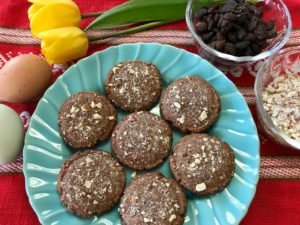
Almond Crisp Mother's Day Cookies
Photo Credit: Kristi Jo, (208)242-6148

2 c. almonds

2/3 c. raisins

1 egg

A splash of vanilla

1 tsp. salt

1/2 tsp. cinnamon

Preheat oven to 325°. Process all ingredients in a high-speed blender or a food processor until smooth. Chill dough. Roll into 18 one-inch balls and place on a parchment-lined cookie sheet. Flatten to 1/4″ thick with a glass dipped in chopped nuts. Bake for 12-15 minutes, until set and slightly browned.

Cherry Chocolate Chews

Cherry Chocolate Mother's Day Cookies

Photo Credit: Kristi Jo, (208)242-6148

2 c. unsweetened coconut flakes

1 c. dried cherries

1 egg

1/2 tsp. almond extract

1 tsp. salt

3 oz. chocolate bar, 70% cacao

Preheat oven to 325°. Process all ingredients except chocolate bar in a high-speed blender or a food processor until smooth. Chill dough. Roll out on a greased surface to 1/8″ thickness and cut with cookie cutters. Place on a parchment-lined cookie sheet. Bake for 10-12 minutes, until set and slightly browned. When cool, ice with melted 70% cacao bar.

Sugar Saboteurs

Sugar Saboteurs

Sugar Saboteurs are loved ones who undermine your efforts to avoid treats, desserts, sweeteners, and sugar-laden food. If you are emotionally attached to individuals who are sugar addicts, you may have a difficult time avoiding sweets when you are around them. Six strategies can help you maintain a healthy friendships AND a healthy lifestyle.

Suggest a Substitute

No one wants to feel deprived. In fact, going without something can actually drive you to it. So, consider higher quality, more nutrient-dense options, such as these from Life Health HQ.  It can be liberating to bring your own sugar-free treat, or offer an alternative that is more acceptable to both you and your sugar saboteur.

Progress, not perfection

If you fall off the bandwagon, don’t wallow in the mud. Climb back up with compassion, but determination. You know how to nourish yourself better now than ever before in your life. But you are still learning. It is unlikely that you will ever reach a state of flawless food consumption. But, you can do a little better each day, perhaps hydrating more, selecting a few more fresh vegetables, or simply adding more Omega 3’s to your routine. Wherever you are, shun complacency, but be realistic. There are likely to always be sugar saboteurs in your life.

Your uniqueness is a gift

Instead of being ashamed that you are making different food choices than those around you, see yourself as a ring leader. Perhaps your sugar saboteurs just need a little encouragement to follow suit. Your initiative could be the factor that changes your office culture.

To reduce sweets, increase nutrients

Sugars can leave you hungry and roaming for more, like an exhausted fire waiting for kindling. Fueling with vitamin- and mineral-rich choices throughout the day satisfies you, so that you are less vulnerable to cravings. Choose colorful vegetables, wild-caught or pastured protein sources, and include natural fats. Unrefined fats are satiating, providing long, slow, burning fuel, like a log on the fire. Stick to unprocessed choices, like butter, coconut oil, olive oil, or avocados.

DIY is always in style

Special diets are accepted these days: there’s always the gluten-free, the dairy-free, or the meat-free crowd. So if your sugar saboteurs are coaxing you to make unhealthy choices, it’s okay to say, “My practitioner told me I can’t”  It’s easy to say, “I have food sensitivities,” or “I have special dietary considerations.” Most people won’t even ask why, but if they do, you have an opportunity to share your food philosophy!

Develop Your Dance

Sugar saboteurs may be eating to fill a need, such as beating boredom, escaping fatigue, or connecting with loved ones. Why not suggest a physical activity to replace eating?  Perhaps just strolling through a park, or tossing a few horseshoes would fill that need. If all else fails, dance!


A sugar-soaked gut = a sugar-soaked brain

Sugar-Soaked Gut, Sugar-Soaked Brain

Brain fog and fatigue are two tell-tale signs of a sugar-soaked brain. The sweets you eat impact your mental abilities. The story of how food affects cognition starts with a sugar-soaked gut.

A Sugar-Soaked Gut

You have a vast filter inside of you that allows nourishment in and keeps toxins out. It’s called the endothelial lining, or gut membrane. It’s like a wire strainer that separates pulp from orange juice. Figuratively speaking, a coffee filter sits on top of that strainer. That filter is your microbiome – your gut bugs. If that probiotic filter is “torn” or defective, some of the pulp is going to get through.

Sugar damages your microbiome. Your beneficial microbes need whole foods. They digest the insoluble plant fiber from fruits, vegetables, nuts, seeds, grains, and legumes that your body cannot process. In doing so, they create a short-chain fatty acid, called butyrate. This chemical fuels your microbiome and nourishes your colon. But, if you eat too much sugar and processed food, you starve these microbes. Therefore, you compromise your microbial layer.

Sugar has no fiber. So, it feeds other bacterial strains that destroy the harmonious balance of microbes in your gut. These other strains create inflammation. Between the inflammation and the reduced microbial diversity, you threaten your brain.

A Sugar-Soaked Gut Leads to a Sugar-Soaked Brain

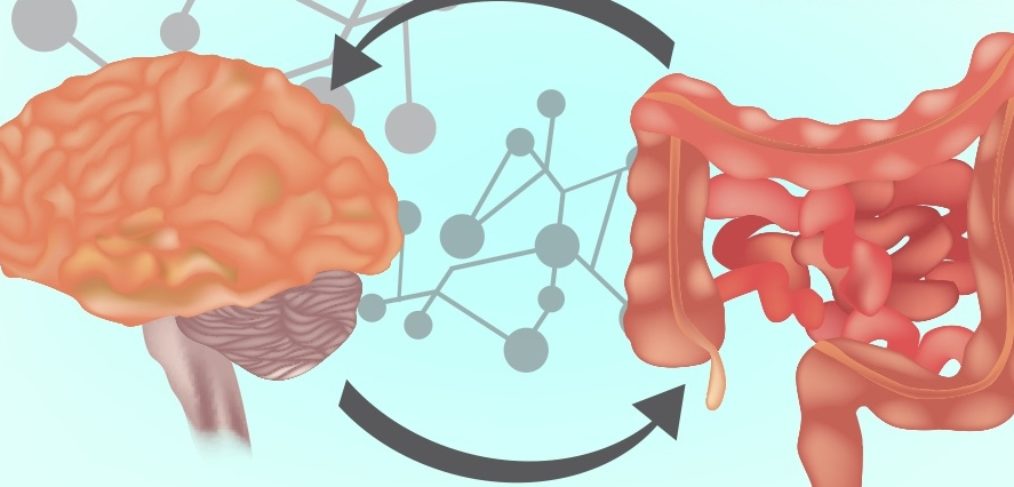
Your gut and your brain are connected in several significant ways.

Vagus Nerve

To begin with, Your Vagus or “wandering” nerve joins your brain to all your vital organs. This major nerve links 100 billion neurons in your brain to 500 million neurons in your gut. Unfortunately, stress causes loss of vagal tone. Your body perceives sugar as a stress because is upsets blood sugar balance and creates inflammation. When the Vagus nerve loses tone, your sugar-soaked gut can freeze your brain in a state of “fight-or-flight” where you have a hard time resting, relaxing, and rejuvenating.

Neurotransmitters

Next, Neurotransmitters are chemicals used send messages from neuron to neuron, or from neuron to muscle tissue. Your body makes a large quantity of two notable neurotransmitters – serotonin and GABA – in your gut.  In fact, you depend on certain gut microbes to manufacture these neurotransmitters. Serotonin contributes to feelings of happiness. GABA calms feelings of fear and anxiety. So, a sugar-soaked gut impairs your ability to manufacture serotonin and GABA, and therefore worsens conditions such as depression and anxiety.

The Fatty Acid, Butyrate

Additionally, microbe-manufactured butyrate not only strengthens the gut-lining, it is critical for forming the blood-brain barrier, too! Your blood-brain barrier keeps pathogens out of your brain. A sugar-soaked gut means a more permeable gut AND a more permeable brain! Then, toxins (or “pulp”) slipping past the gut lining can get into the brain!

Inflammation

Also, Inflammation occurs when toxins squeeze through the gut lining into the blood stream. Your body has to call in white blood cells to fight these  that invaders don’t belong outside of the gut. Inflammation is the mechanism that allows white blood cells into infected tissues. Inflammation from a sugar-soaked gut can ignite in the brain when toxins cross the blood-brain barrier.

Mitochondria

Finally, Mitochondria are the tiny factories in each cell that take the food you eat and the oxygen you breathe and turn it into an energy currency, called ATP. You spend this currency every time you think, breathe, move, eat, feel, and simply live. Inflammation from a sugar-soaked gut damages the DNA of your mitochondria. Damaged mitochondria create more “exhaust” or oxidation than healthy ones. Subsequently, this exhaust damages them even more, initiate a self-sustaining process of destruction. A classic sign of mitochondrial damage is fatigue. Unfortunately, this process of destruction triggers an enzyme pathway that leads to the death of neurons, hurting your brain and your gut simultaneously.

Heal a Sugar-Soaked Gut

Many foods and lifestyle choices benefit your gut and therefore your brain. Here are five of the most important ones.

Omega 3 Fats

The best sources of these fats are oily fish, shell fish and sea vegetables. Studies show that omega 3 fats can increase good bacteria in the gut and can be beneficial to brain health. Additionally, Omega 3 fats are anti-inflammatory, plus they boost enzymes used in the mitochondria to produce ATP. To get adequate amounts of Omega 3’s, you should eat seafood at least 3-4 times per week.

Fermented Foods

These are foods that contain living microbes such as lactic acid bacteria. They include traditionally-cultured sauerkraut or kimchi, pickled beets, gingered carrots, and dilly beans. It turns out that the benefit of these foods is not solely from the probiotics – which actually die as they pass through your gut and out the other end. In reality, great benefit comes from the actual fermentation – the breakdown of the nutrients to create certain end-products. These end-products can be very healing for the gut and appear to bolster your microbiome. Eat a fermented product every day.

High Fiber Foods

Whole grains, nuts, seeds, fruits and vegetables all contain fibers that are good for your gut bacteria, as discussed above. Additionally, high fiber foods can reverse the effects of stress on the gut by restoring the microbial populations. Start with 25 grams per day and work up to 50 or more.

Polyphenols

Polyphenols are plant chemicals that your gut bacteria digest along with plant fibers. Brightly-colored, anti-oxidant foods are rich in polyphenols. Like fiber, polyphenols can increase healthy gut bacteria. Thereby, they reduce oxidative stress. Many fruits, vegetables, nuts, legumes, and spices contain polyphenols. If you’re not having vegetables at every meal, start there, then increase until half your plate is vegetables.

Movement

Individuals with high cardio-respiratory fitness produce more butyrate, signalling that they have a healthier microbiome, according to a study published in Microbiome in 2016 . Additionally, these fit individuals had fewer pathways that were creating inflammatory toxins from harmful bacteria in their guts. If you have a sedentary lifestyle, get up and stretch every half hour. If you can fit in cardio workouts, engage for at least 30 minutes per day.

So, What’s the Bottom Line?

In conclusion, whole foods support a healthy microbiome. But a sugar-soaked gut can lead to brain dysfunction. So, eat your vegetables, get adequate fat and protein, and stay active!