
March 2020

processed American comfort foods

Craving Comfort Food

Is Coronavirus making you crave comfort food? Having the munchies doesn’t mean you have to eat poorly. Real food can be more comforting than factory imitations! Read on to see our tips for making your comfort meals healthier. Then check out our round-up of 10 amazing snacks to soothe the munchies.

Tips for Making Comfort Food Healthier

  • Serve a large side dish, rather than denying yourself of that sweetened, processed meal, heavy in refined carbohydrates.  Then, the food you crave becomes almost an afterthought. For instance, offer a large salad with Cookie and Kate’s Asian Carrot-Ginger Dressing next to a small portion of pad thai.
  • Tuck vegetables in wherever you can. Child-feeding specialist Melanie Potock shows you how in this macaroni and cheese that contains parsnips and carrots. Healthy Little Foodies demonstrates how to make marinara sauce with 6 different vegetables.
  • Make substitutions. Use cauliflower for part of the cheese in this epic sauce from The Kitchn. (It makes a great dipping sauce for chicken tenders.) Try pumpkin puree to replace some of the flour and oil in pancakes or muffins. Eggplant subs well for noodles in this lasagne from Well Plated.
  • Be creative. You can make the comfort food you crave in unusual ways. Bake pizza ingredients inside of a hollowed out spaghetti squash, or make sandwiches out of toasted sweet potato slices, fried green tomatoes, halved cucumbers, or grilled portabello mushrooms.

Comforting Snacks to Crave

Here are our top 10 healthy ideas from around the web for your next snack attack. When you are craving American junk food, trust these alternatives to satisfy you.
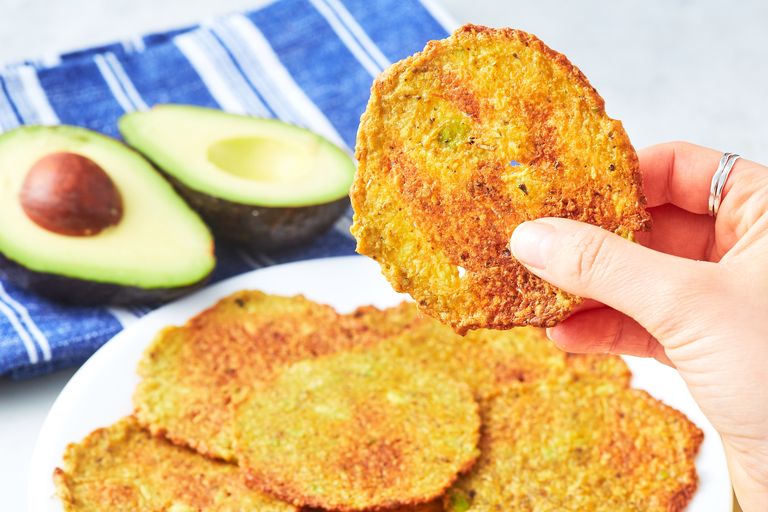
avocado chips

Chips: You can make nearly any vegetable into a chip. Root vegetables, such as turnips, beets, sweet potatoes and parsnips are best. But even eggplant, zucchini, green beans, and radishes can be sliced thin and crisped in a hot oven with a coating of cooking fat. These novel avocado chips, are worth their salt, though!
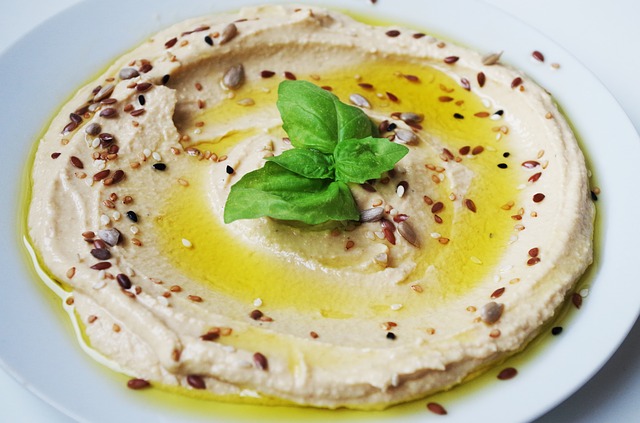
hummus

Dips: Marinara and hummus are good whole food substitutes for store-bought dips that are full of artificial ingredients.
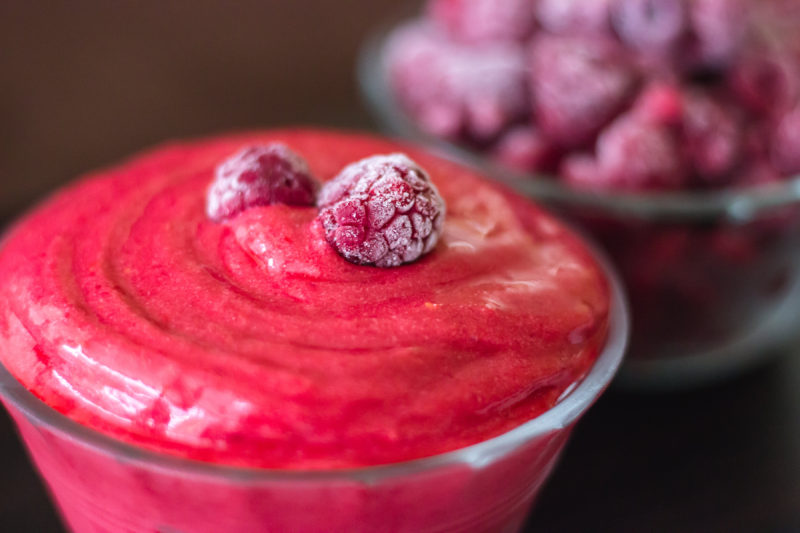
Fruity Frosty is a Big Fat Treat

photo credit: Mordi Photographie

Ice Cream or Popsicles: Sometimes you just want cool and creamy. With these “big fat treats,” you don’t have to worry about too much sugar.

apple "doughnuts"

Doughnuts: If you’re sight-triggered, these darling “iced” apple rings look enough like a doughnut to tickle your fancy.

cold-infused tea

Soft Drinks: If it’s the flavor you’re after, cold-infuse an herbal tea into your water. If you want fizz, try sparkling water or a probiotic drink, such as kombucha.

chocolate cake

Cake: Made with bananas, applesauce, and pumpkin – but no sugar – this chocolate cake… er, uh, takes the cake!

Whole Food Mother's Day Cookies

Photo Credit: Kristi Jo, (208)242-6148

Cookies: These no-flour, no-sugar cookies are made simply from whole foods that are quick and easy to combine.
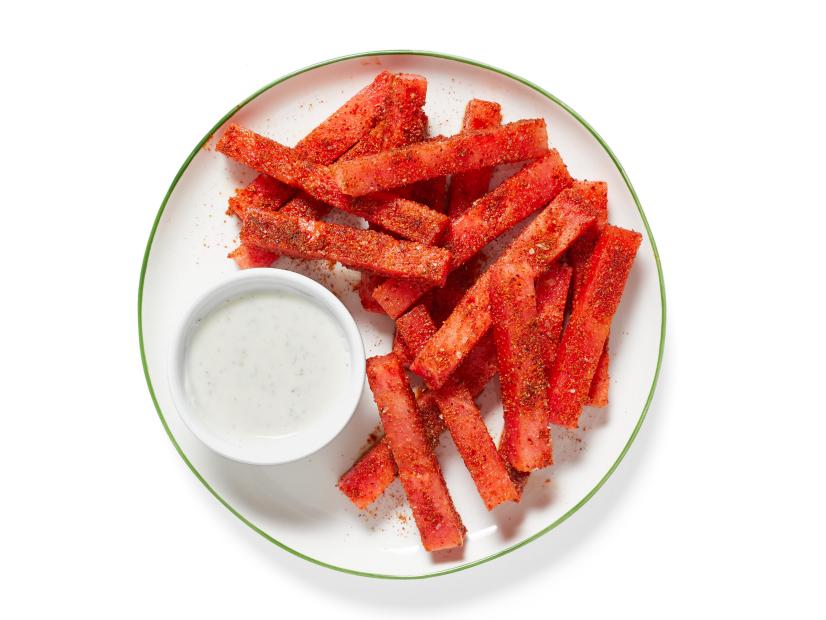
watermelon fries

Fries: Crispy and salty is really what you’re after. But it doesn’t have to be deep-fried in oxidized oil. How about these watermelon fries for comfort food?

dark chocolate

Candy Bars: You’ll need canned coconut milk, pecans, pure maple syrup, and a 70% cacao bar for this one! Simmer 3 parts coconut milk with 1 part maple syrup until thick and caramel-like. Cool slightly. Mix in plenty of nuts. Spoon into mini-muffin cups and refrigerate. Meanwhile, melt your chocolate bar. Dips the caramel nut “turtles” in melted chocolate and return to the refrigerator.

banana s'mores


S’mores: As long as there’s chocolate, who really needs marshmallows? These Smore’s Banana Bites have just enough sweetness to comfort your crave! (You can leave out the marshmallow fluff.)
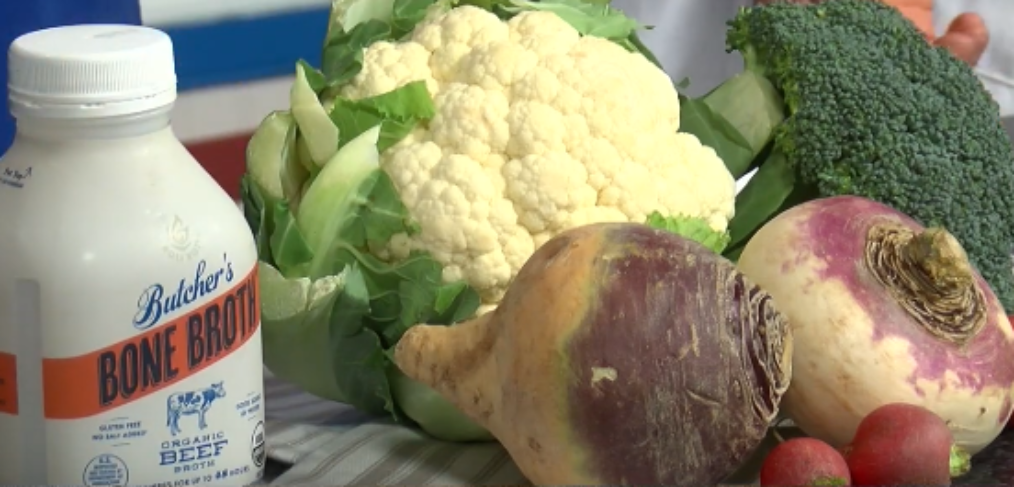

 

Eat broth and cruciferous vegetables for immunity

Eating for Immunity

Eating to boost your immunity may be a powerful weapon in these times of uncertainty. While scientists debate which approaches are working in the battle against pandemic viral disease, we can rest assured that nutrient-dense whole foods are never contraindicated! Further, we can start by nourishing ourselves with the primary foods of love, gratitude, laughter and faith.

Eat Cysteine for Strong Immunity

Your body makes its own master antioxidant, called glutathione. Especially in diseases that attack the lungs, you use a lot of this antioxidant to fight inflammation & congestion. However, in order to keep up with the production demand, you have to have a good supply of the amino acids glycine and cysteine. You can augment your stores with the following:

  • a good quality source of whey
  • pastured poultry
  • spinach
  • low-toxicity seafood
  • legumes
  • bone broth

In addition, eating cruciferous vegetables can support immunity. Plant compounds in this family increase glutathione formation. So, load up on kale, cabbage, cauliflower, broccoli, Brussels sprouts, arugula, radishes, rutabaga, turnips, parsnips, watercress, and horseradish!

Eating Hygiene Impacts Immunity

Your body has a mechanism to kill germs that enter through the mouth. It’s called stomach acid. But stress curtails stomach acid production. So, when you sit down to a meal, breathe deeply, express gratitude, eat slowly & chew thoroughly. It may also help your stomach pH to sip 1 tablespoon of apple cider vinegar in a glass of water.

Furthermore, you can support healthy digestion and better immunity by feeding your gut microbiota. Did you know that 80% of your immune system is in your gut. Supporting the right kind of microbes goes a long to toward fending off the enemy. The probiotics that live in your GI tract love fiber! In particular, they feast on garlic, onions, oats, Jerusalem artichokes, and asparagus. Eating probiotic foods, such as kimchi, kefir, and kombucha supports healthy immunity.

Boost Immunity with Vitamins and Minerals

Vitamin C and zinc are immunity all-stars. Vitamins A & D are vital, too. But at this point, you are advised to keep your immune system strong by eating nutrient-dense foods, rather than taking high doses of supplements. Maximum doses of Vitamin A and D supplements appear to enhance the receptors through which the corona virus is entering the body.

Top foods for vitamin C include papaya, kiwi, acerola cherries, red bell peppers, and amalaki berries. Oysters are an incredible source of zinc. Other shellfish, grass-fed beef, lentils and almonds contain fairly high levels of zinc, too. You can’t beat liver and egg yolks for their Vitamins A & D content! Sunlight, and yellow-orange-red vegetables are also important.

You might like Immunity Soup, which has a nutrient-rich profile of vitamins and minerals.

Eat Anti-Viral Foods

Not all viruses respond the same way, but a study of a virus related to the current SARS-COV-2, showed that tannic acid exhibited inhibitory activity. This acid is responsible for giving many foods a bitter or astringent taste. Black and puer teas (both caffeinated & decaffeinated) are the highest sources of tannic acid, but you will also find it in red raspberry leaf tea, pomegranates, and cranberries.

Another study found polyphenols to have anti-viral activity against the corona family of viruses. Polyphenols occur in deeply-colored produce such as berries and leafy greens. Along with their anti-microbial benefit, polyphenols serve as fodder for your gut microbes.

Besides tannic acid and polyphenols, selenium may be helpful. Eat selenium-rich foods for immunity rather than taking a supplement. It appears that supplements may enhance receptors in the body that the virus can enter through. Brazil nuts are the most common food source of selenium. Two or three nuts a day is sufficient.

Finally, raw garlic seems to be a good anti-viral food in general. However, at this point, we don’t know if it attacks SARS-COV-2. If you’re turned off at the idea of chomping on a fresh bulb of garlic (I am!), raw garlic is great in salsas, salad dressings, guacamole, mashed potatoes, and hot sauces.

Avoid Inflammatory Foods

One of the reasons people die with pandemic viruses such as the coronavirus is that the disease process sets off a “cytokine storm.” Cytokines are inflammatory messengers your body produces. Already having inflammation in your body puts you at greater risk for this kind of inflammatory storm. Curtail your use of sweeteners, refined carbohydrates, vegetable oils and processed meats. Whatever foods bolster your defenses, I’m sure of this: You won’t fight COV-19 eating Twinkies!

10 numerals for the 10 ways to fight diabetes

Fight Diabetes 10 Ways

How do you fight diabetes when you’re hungry, tired, and the disease runs in your family? Can you fight pre-diabetes when you haven’t got time to sit down for a decent meal? Is it possible to fight rising weight, cholesterol, and blood pressure when work and family demands are so pressing?

You have more control than you think you do. It starts one breath at a time, one bite at a time.

Fighting diabetes isn’t an all-or-nothing proposition. Your body got this way day by day over a decade or two. You can make in-roads with baby steps in the right direction until the balance tips. Every effort you make sends your body signals that things are different now. That’s because your body isn’t suddenly non-diabetic one moment and then diabetic the next. There is a progression that starts with increased insulin levels. So anything you do to decrease insulin output will help. Your degree of insulin resistance will creep down until normal sensitivity is again restored. Progress will be slower, but you’ll have a plan you can actually stick to.

How to Tip the Balance

Pick one of these top 4 strategies that feels attainable. Put your heart into it and do it well until it becomes a natural part of your lifestyle. Then pick a second one, and so on until you are doing all of them. When you are ready, move on to the secondary strategies. If you do everything in your power to heal, you will.

  1. Today, do something that brings you joy. Do it again tomorrow. Do it every day. Because stress raises blood sugars more dramatically than food. First, stress releases cortisol, which raises glucose in your blood supply so that your body can mobilize against your stressor. Second, stress creates sleeplessness, which increases insulin resistance. Third, stress shuts down digestion such that only quick sugars are available for immediate energy. This creates cravings for sugary foods. But when you find joy in your life, you raise oxytocin instead of cortisol. These two hormones can’t both be high at the same time. When you release stress by finding joy, you fight diabetes.
  2. Make your first meal of the day your best. Your first foods set blood sugars for the rest of the day. So, if you have juice and a granola bar, or cereal with skim milk, or coffee and a doughnut, you’re “throwing kindling on the fire.” These high-carbohydrate offerings will flare up the glucose levels in your bloodstream. Next, insulin levels with rise to protect you. Yes, insulin stows sugars away to be used later so they don’t damage organs. When insulin has finished its job, your blood sugars will plummet and you will be reaching for a candy bar to stoke them back up again. To protect yourself from this cycle, eat natural fats with your breakfast and make sure you get at least 15 grams of protein.
  3. Snack in style. While spacing food 4-5 hours apart is ideal, it’s not realistic if your blood sugars are dysregulated. But you don’t have to grab chips, crackers, or soda, either. These food-like substances don’t support your fight against diabetes in the least. But combining a fruit or a vegetable with a natural fat gives you energy and satisfies you until the next meal. Check out the 20 suggestions in this post.
  4. Drink pure water. Flavor it if you need to. Beverages in America contribute to diabetes more than anything else we put in our mouths. That includes energy drinks, sodas, juice, lattes, and purchased smoothies. Here’s a tip. Look on the nutrition label at the grams of carbohydrates. Divide by 5. Your answer will be how many teaspoons of sugar you are ingesting. If water just doesn’t taste good to you, consider dropping cut fruit into it, cold-infusing some herbal tea in it, or adding a product such as Ultima Replenisher.

Continue To Fight Diabetes

  1. Eat more vegetables. Did you know we should be eating 6-9 cups of vegetables per day? These nutrient-dense powerhouses fight diabetes by stabilizing blood sugars, providing minerals your pancreas needs, and feeding a healthy microbiome that supports better metabolism. Plus, vegetables take room on your plate that might be filled by pasta, potatoes or pie. Try to make half your plate vegetables.
  2. Sleep longer and deeper. The Sleep Doctor explains, “sleep deprivation increases production of cortisol, which can make cells more resistant to insulin. Lack of sleep also triggers changes to other hormones, including thyroid stimulating hormone (TSH) and testosterone, which can lead to decreased insulin sensitivity and higher blood glucose.” Try to go to bed early enough that you wake naturally without an alarm
  3. Move your body more. Regular exercise is one of the best ways to increase insulin sensitivity. It helps move sugar into the muscles for storage and promotes an immediate increase in insulin sensitivity, which lasts 2–48 hours, depending on the exercise, according to this study. But you don’t have to go to the gym, as long as you are moving consistently throughout the day, with short intervals of increased heart rate. Make your activity enjoyable and find ways to break up your periods of sitting.
  4. Keep a 12-hour window between your last meal and your first. Intermittent fasting is greatly advantageous for reversing insulin resistance. But you don’t have to skip meals to get the benefit. Start by lengthening the time between dinner and breakfast. If you can’t go 12 hours, go 10, gradually lengthening out your fast. Research shows that a 16-hour window is very beneficial if you can work up to it.
  5. Avoid foods made with flour or sweeteners. Since these are the selections that are most likely to contribute to insulin resistance and diabetes, it only makes sense to eliminate them. Try substituting whole fruit at first, if you need more carbohydrate or miss the sweet taste.
  6. Optimize nutrients. Your body needs zinc, B vitamins, magnesium, carnitine, and many other nutrients to regulate blood sugars. How can your pancreas function optimally if you don’t give it the raw materials it needs. Real foods are your best source, as illustrated by the pictures below. But if it suits your style to use a meal replacement shake once a day to insure you are getting the nourishment you need, MediPro Plus is a great option.
Food-like substances that support diabetes

Don’t eat this!

Real foods that fight diabetes

Eat This!