January 2019

Eat more vegetables with cake, pizza, fruit, and pancakes.

Eat More Vegetables

Let’s face it: Vegetables are not exactly comfort food! But we all know we need to eat more of them. Try these 3 easy tips to eat more vegetables in your family.

1. Go Green

Here’s a hint for multiplying your intake: buy a big bag of spinach, arugula, mustard, chard, kale, or other dark leafy variety – even parsley or cilantro. The minute you get home from the store, toss the whole bag in your freezer (trimming stems may be necessary). After it is frozen completely, crumple the bag, breaking up the leaves into tiny bits. Return the bag to your freezer. Then, every time you’re making food, put some frozen green fragments into your dish. This works for stuffed meats and pastas, sauces, soups, smoothies, sandwiches and stir-fries.

The “freeze-your-greens” trick is how I got 3 cups of arugula into 12 ounces of pizza sauce for this segment on the KPVI Morning Show.

2. Sneak in Some Sulphur

When I say sulphur, I mean vegetables from the cruciferous, allium, and mushroom families.

  • Cruciferous vegetables include broccoli, kale, spinach, radishes, bok choy, cauliflower, cabbage, turnips, and arugula.
  • Alliums are onions, garlic, leeks, shallots, green onions, and chives
  • Mushrooms go far beyond the button variety. Shiitake, Morel, Maitake, Portabello, and Oyster are a few popular choices.

Because cruciferous vegetables are the hardest to disguise with their sulphur-y taste, I’m going to to show you how easy it is to hide them. I have 4 sneaky ways to add them to your family meals: pancakes, pizza, fruit salad and chocolate cake!

JAPANESE PANCAKES, known as okonomiyaki, are comforting street food. They are a delicious way to eat more vegetables. Basically, you make a pancake batter, add shredded vegetables, fry them, and top them with sriracha mayonnaise, sesame seeds, and green onions. Try this recipe:
Japanese Pancakes are 1 way to eat more vegetables

Ingredients

2 large eggs

1/4 c. water

1 Tb. soy sauce or coconut aminos

1 1/2 Tb. fish sauce

2 Tb. sesame oil

1 c. whole wheat or gluten-free flour

1/2 head cabbage, shredded (about 4 cups)

1 carrot, grated

1 bunch green onions, thinly sliced

2 Tb. coconut oil

Directions

Whisk together the eggs, water, soy sauce, and sesame oil. stir in flour until a thick batter forms. Add cabbage, carrots, and half of green onions. Stir until vegetables are evenly coated with batter. Heat oil in a heavy skillet over medium heat. Pour 3/4 cup batter at a time into the skillet, smoothing with the back of a spoon into a circle about 1/2 inch thick. Cook until golden brown on the bottom (3-4 minutes, flip and repeat. Serve topped with remaining green onions, sesame seeds, and sriracha mayonnaise.

Eat More Vegetables Than That

How about a CHEESE PIZZA, made with 3 whole cups of arugula? Chop your the greens finely (see freezer method above), and stir them into the pizza sauce before spreading it on the crust. Then top with mozzarella and parmesan. Bake in a 400 degree oven for about 20 minutes.
eat more vegetables with cheese pizza

In this colorful CHICKEN & APPLE SALAD, there are chunks of raw turnip. Because they are white and crisp, they blend right in with the apple. Toss the following ingredients and serve over mixed greens:
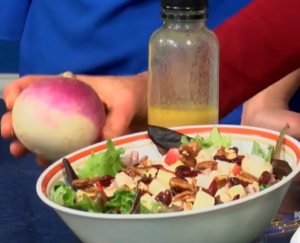
chicken apple salad helps you eat more vegetables

Ingredients

2 chicken breasts,  cooked and sliced into strips

4 cups of spring lettuces

1/2 purple onion, thinly sliced

1/2 c. pecans, broken into pieces

1 red apple, diced

1 raw turnip, peeled and diced

1/2 c. dried cranberries

Dressing Ingredients

2/3 c. olive oil

2 Tb. red wine vinegar

2 Tb. apple cider vinegar

3 cloves garlic, minced

1 Tb. Dijon mustard

2 Tb. honey

And Eat More Vegetables Still

Finally, there is CHOCOLATE CAKE Chocolate Covered Katie from . Can you guess the secret ingredient? It’s cauliflower! That’s what makes the cake so moist. But you can’t taste it – even though there’s 4 cups! Here’s how I made it:
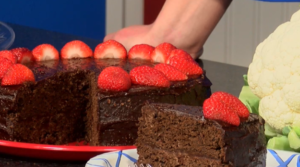
have your cake and eat more vegetables

Ingredients

2 c. whole wheat or gluten-free flour

1 tsp. baking soda

1 tsp. salt

2 tsp. baking powder

1/2 c. unsweetened cocoa powder

4 Tb. ground flax

1 c. coconut sugar or raw turbinado sugar

2 Chocolove Strong Chocolate, Almond, & Sea Salt bars, broken into 1/4″ bits*

1 Tb. pure vanilla extract

2 14-oz. bags frozen cauliflower, thawed but not cooked

2/3 c. milk (dairy or non-dairy)

1/2 c. butter, melted

Frosting Ingredients

1/2 c. peanut or almond butter

1/3 c. pure maple syrup

1/4 c. unsweetened cocoa powder

2 Tb. milk

2 tsp. vanilla extract

Instructions

Preheat oven to 350 degrees. Grease  and flour 2 round 8″ cake pans. Combine dry ingredients and mix well. Puree vanilla, cauliflower, milk, and butter in blender until very smooth. Pour into dry ingredients, and stir just until evenly moistened. Pour into prepared pans. Bake 30 minutes. While cake is baking, whisk together frosting ingredients. Cool cake 15 minutes in pans, then invert onto cooling racks. Ice when completely cool. Store in refrigerator.

*Note: to break chocolate bars, freeze them first, then hit them with a meat mallet.

3. Crank Up the Color

Colors make meals visually appealing. But they taste good, too, and have tons of health benefits. So, you can eat more vegetables and really enjoy them. Choose from as many colors as you can each day! Eat them raw, or eat the grilled, roasted, steamed, or sauteed. Ditch your beige foods and eat a cup of colors every meal!

  • Green: (excluding leafy varieties above) asparagus, broccoli, cucumber, green beans, celery, cucumber, artichoke, Brussels sprouts
  • Red: sweet red peppers, tomatoes, beets, red potatoes (skin on)
  • Yellow/Orange: carrots, sweet potatoes, pumpkin, yellow peppers
  • Blue/purple: eggplant, purple cabbage, purple onion, purple potato
  • White: parsnips, rutabaga, turnip, cauliflower, garlic, onion, ginger, mushrooms
"Donut" think it's hard to quit sugar

How To Quit Sugar

In just 10 days, you can quit sugar for good. You don’t have to be trapped in poor dietary habits that make you feel sluggish, heavy and captive to cravings.

Many people believe they lack the discipline to change their food addictions. But sugar and refined carb dependencies are not emotional conditions. They are biologic disorders, caused by hormones and neurotransmitters. You can reset you physiology by following these basic guidelines:

1. Add Before You Subtract

It’s easier to add food to your diet, than to take it out. When you are properly nourished, you are satisfied. That means you stop looking for fillers to keep you going between meals. If you’re not feeling “snack-y,” then you’re not as likely to cave in to the donuts as co-worker brings to the office or the cookies your partner just pulled from the oven.

So to prime yourself for success, eat the following:

  • Abundant amounts of non-starchy vegetables – even at breakfast! Be sure to include some leafy greens, some sulphurous veggies (broccoli, onion, and mushroom families), and plenty of colored vegetables (including red, orange, and purple) each day.
  • Adequate protein each meal (4-6 ounces) from eggs, fish, poultry, meat, nuts, or seeds. Quality is more important than quantity here.
  • One serving of healthy fat three times per day. Fats help stabilize your blood sugars so that you don’t hit an energy crisis where you need instant fuel from quick (and damaging) carbohydrates. Choose from olives, avocados, coconut, nuts, seeds, and their accompanying unrefined oils. You can also use grass-fed butter.

If you are unsure of what to cook, you can find recipes in Dr. Hyman’s 10-Day Detox Starter Kit.

2. Feed Your Soul

Instead of handling emotions by eating, nurture yourself with healthy  practices, such as journaling, meditation, movement, and wholesome recreation. Spend time on loving relationships. Treat yourself with 8 hours of sleep per night. Practice deep breathing, and enjoy detoxifying Epsom salt baths.

3. Quit Sugar Cold Turkey

You can do anything for a brief time. So commit to yourself that for only 10 days, you will completely quit sugar. Avoid all foods that list sugar as an ingredient. Your success in freeing yourself depends on absolute compliance. Tapering down gradually will keep you hostage to nagging cravings.

Also eliminate the following because they sustain sugar addiction:

  • All processed foods.
  • Grains, starchy vegetables, beans, and fruit (except 1/2 c. of berries per day).
  • Coffee, soda, alcohol, and juice.

4. Give Yourself a Boost

Jump start your 10 days to quit sugar with a metabolic cleanse, like this detox kit from Biotics. It will provide powerful micro nutrients and abundant antioxidants that will kick up your energy so that you don’t miss your daily sugar and caffeine fix.

5. Find Freedom

You will be feeling so much stronger in these short 10 days, that you will not want to return to your old habits. So you can continue for another 10 days, and another. Soon, you will find that sugar and refined carbs do not appeal to you any more. You will be able to use whole grains, legumes, and fruit in moderation. Your un-dieting protocol will become a lifestyle.

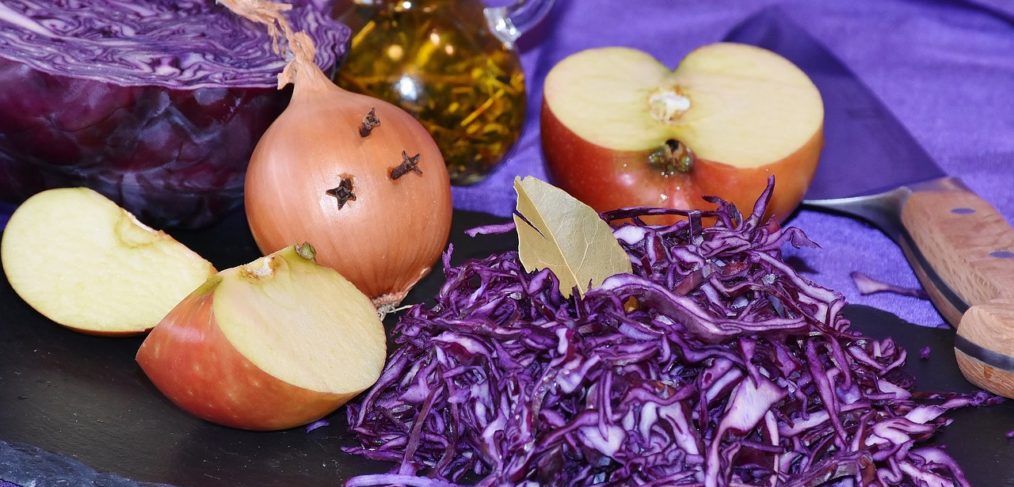
Onions & red cabbage or 2 beneficial winter vegetables

Winter Vegetables

Nature knows. When gray days and dark nights bring the sweet indulgences of New Years, Mother Nature provides some of her most powerful foods. Winter vegetables, primarily in the cruciferous family, restore your vitality in several ways.

Liver Tonic

The vegetables that thrive in cooler weather (not above 70 degrees) include leafy greens, plants in the onion family, and crucifers. For instance, spinach and chard (leafy greens), garlic and leeks (onion family), and cauliflower and cabbage (crucifers) are highly frost-resistant. In fact, they may even be sweeter when the temperature dips below freezing. While the crucifers have a reputation for smelling and tasting strong because of their sulphur compounds, it is these nutrients that benefit your liver. They help the liver detoxify your blood and they protect your liver from damage. Other crucifers are broccoli, Brussels sprouts, kale, collards, turnips, and bok choy.

In addition, onions, chives, shallots, leeks, and garlic have sulphur compounds. So, they are tonic to the liver as well.

More Benefits of Winter Vegetables

The cool season vegetables are high in fiber. Not only does this include the vegetables above, but also stalk vegetables, such as celery and fennel. Fiber normalizes bowel movements, regulates blood sugars, lowers cholesterol, and aids in weight management.

Winter vegetables – especially leafy greens and many of the crucifers – are high in chlorophyll. Therefore, they are blood-builders and detoxifiers. Also, cold-tolerant produce runs high in antioxidants and is cancer-protective.

How to Eat Winter Vegetables

Steaming or roasting, then dressing with butter and lemon are delicious and healthy ways to serve cold-hardy vegetables. Crucifers yield their sulphur compounds more readily when cooked. I enjoy splashing them with a bit of balsamic vinegar in place of the lemon. A mix of rosemary, thyme, oregano, and marjoram sprinkled on these winter offerings makes them even more appetizing.  You might enjoy this recipe for oven-roasted vegetables that includes turnips and broccoli or Brussels sprouts.

For an exotic Diner en Blanc, you can try cauliflower dressed with anchovy fillets and Pecorino Romano cheese. But if the thought of vegetable anything turns you off, perhaps you’ll like moist chocolate cake that uses cauliflower as a secret ingredient.

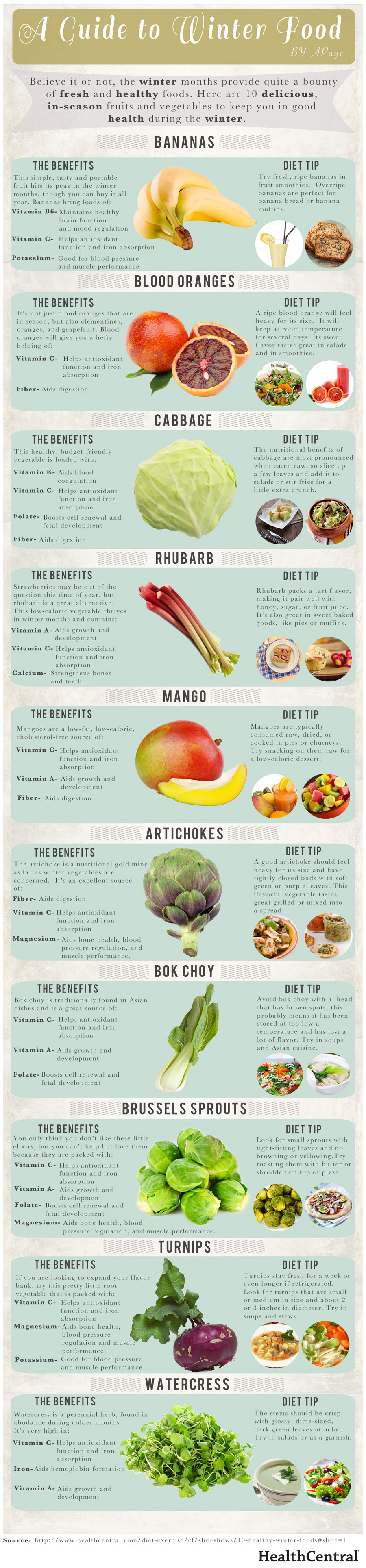
Below are the simplest ways to prepare several of the most common winter vegetables. A guide to winter vegetables and fruits