December 2018

nutrient-rich green smoothie

Post-Holiday Detox

After rounds of chestnuts roasting on an open fire, visions of sugar plums, and even figgy pudding, do you need a post-holiday detox? Are you feeling sluggish, heavy and tired? You’ll need more than a green smoothie to regain your well-being. But, there are many simple tricks you can perform at home now and throughout 2019. So throw away those cookie platters and let’s get started!

Support Your Liver

Pamper your liver, since it is the organ responsible for taking toxins out of your body. Stimulate a nourishing blood supply to it by patting your right torso just below the ribs while you are in a hot shower. For extra-special treatment, you can place castor oil packs on it.

Your liver needs specific categories of food to function well. First, give it “sulphurs, greens, and sours.” These foods are tonic to that organ. Sulphurs include all edible mushrooms, vegetables in the onion family, and vegetables in the cruciferous family.  Some dark leafy greens that you might not think to eat regularly are chard, cilantro, parsley, and watercress. For sours, spike your water with lemon juice, or take a shot of a probiotic beverage, such as kombucha, kefir, or sauerkraut juice.

Since detoxification is a process that requires lots of amino acids, feed your liver plenty of protein. It is a myth that you can detox just by juicing. Vegetable juices are cleansing because they reduce inflammation and scrub out the colon. But they don’t provide enough amino acids for liver function.

Lastly, “grease the skids.” Your liver needs Omega 3 fatty acids to make the bile that will carry toxins out through the colon. These fatty acids are highest in mackerel, salmon, cod liver oil, herring, oysters, and sardines.

Open All Your Elimination Ports

Your post-holiday detox should expand beyond liver support. What happens if the liver cleans out the toxins, but the ports of elimination are clogged? Well, all those toxins go right back into the blood and you get sick! Your five ports are:

  1. Skin: You can flush the skin by sweating! That might mean going to the sauna or engaging in an intense cardio workout. A great way to sweat in the winter time is to add a tablespoon of dried ginger powder to your bath water. Ginger is a diaphoretic herb. Unfortunately, some people experience burning on their skin in reaction to the ginger powder. If this happens, add a half cup of apple cider vinegar to the water.
  2. Lungs: Deep breathing is the key to opening your lungs. So, draw your breath from below the diaphragm, making your belly rise as you inhale. If you don’t exercise regularly, take at least 5-10 deep breaths each morning and evening.
  3. Lymph: One of the easiest ways to move lymph without working out is by dry skin brushing. We like this tutorial. Alternately, you can move lymph by switching between hot and cold water in the shower. Stay in water as hot as you can stand for 4-5 minutes, then turn it as cold as you can tolerate for 30 seconds. Repeat two more times.
  4. Kidneys: You have to stay well-hydrated to keep your kidneys happy. If you don’t like drinking water, consider herbal teas as an alternative. The rule of thumb is to daily drink 2 ounces of water for every pound of body weight, capping at 100 ounces of water. However, caffeinated and sugared beverages do not count. In fact, add 2 ounces of water for every ounce of coffee, tea, soda, or juice that you drink.
  5. Colon: You can induce your “river of toxins” to move by including bitter herbs in your diet. For instance, drink peppermint or chamomile tea, serve globe artichoke as an appetizer, or chew fennel seeds after a meal. Additionally, you can use arugula, parsley, cilantro, radicchio watercress, and dandelion greens in salads.

Try A Metabolic Cleanse

To jump-start your post-holiday detox, order a detox kit such as the NutriClear Plus 15 Day Cleanse from Biotics. It includes 30 meal-replacement protein drink mixes, a shaker cup, daily supplement packs with liver-tonic herbs, and a guidebook of recipes and instructions. Moreover, it supports your energy production and is easily digested. It contains abundant anti-oxidants, added fiber, and a powerful blend of micronutrients.

Post-Holiday Detox Smoothie

Finally, about that smoothie. While it won’t detox your body by itself, certainly it does support your efforts by providing protein, sulphurous greens,  omega 3s and a bitter herb (ginger). Here’s the recipe!

Green Pina Colada

1/3 c. frozen pineapple juice concentrate

2/3 c. ice and water

1 c. coconut milk, chilled

2 c. spinach (I freeze mine ahead of time)

1 tsp. grated or minced fresh ginger root

2 scoops protein powder

2 capsules Omega 3 fish oil

Slit open the capsules of fish oil and squirt the contents into the blender along with the remaining ingredients. Discard the empty capsules. Blend the ingredients until smooth and frothy. Serve immediately. Serves two.



nutrient-rich skillet of yams, apples and sausages

Holiday Brunch

Christmas comfort food – that’s what I call yams and apples with warm spices, layered with grilled sausages. Make it a few days before your celebration, and pop it in the oven to heat through when you wake up. It will be ready for brunch after your Christmas morning festivities.

Ingredients

2 sweet potatoes (about 2 pounds), baked

1 package Aidells Chicken & Apple Sausage

3 apples

1/4 c. butter

1/2 tsp. each cinnamon and nutmeg

1/4 tsp. each ginger and coriander

2 Tb. pure maple syrup

Salt to taste

Directions

Peel and cube sweet potatoes and set aside. Slice sausage and cook according to package directions. Dice apples and saute in butter with maple syrup and spices. Combine all ingredients in a covered casserole dish. If desired, refrigerate for use at a later time. An hour before serving, preheat oven to 350 degrees. Bake casserole for 45 minutes, or until heated through.

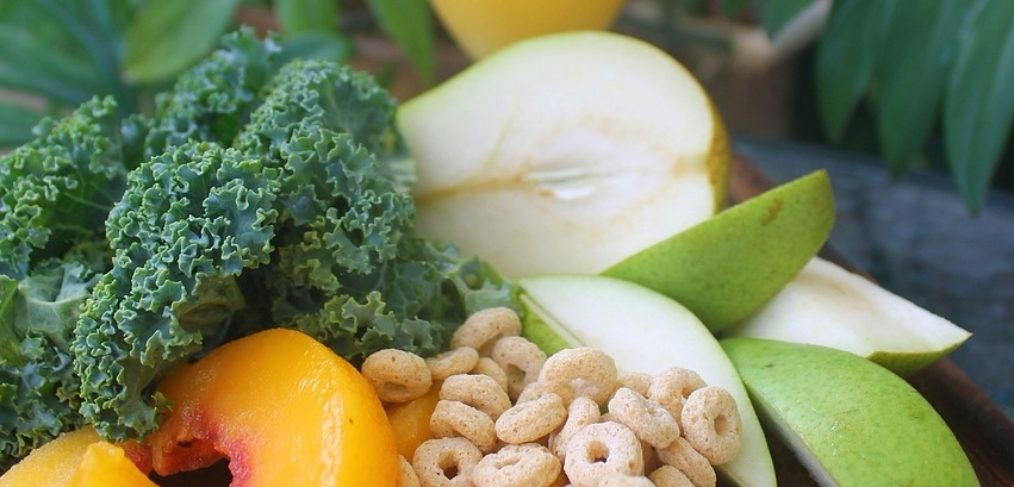
kale vs. candy

Kale vs. Candy

Can you be healthy simply by limiting calories? Or does the type of food you eat matter? In a kale vs. candy debate, Dr. Mark Hyman, founder and director of the UltraWellness Center, discusses how calories from refined carbohydrates react differently in your body that calories from nutrient dense food. Here is his view.

Not All Calories Are Created Equal

If managing weight were as simple as calories in and calories out, we’d all be at our ideal weight.

But it’s clear that’s not the case, since nearly 40% of our population is obese, and  2 out of 3 adults in the US is either overweight or obese. That’s because food is more than just calories. Food is information that our cells need to function. You metabolism uses that information to either run efficiently or sluggishly trudge along.

One of the biggest food lies of all time is that all calories are created equal. Even a child could tell you that the calories you get from kale are going to have a completely different impact on your body than calories from candy.

Let’s look at what those calories from candy actually do to your body:

How Candy Impacts Your Body

When you eat candy, processed and refined carbs (such as bread or cereal) or even fruit juices, your gut quickly absorbs the fiber-free sugars, fructose, and glucose. These spike your blood sugar. Now, your body starts a cascade of hormonal responses that kick bad biochemistry into gear. The first hormone to go askew is insulin, which rockets in response to high blood sugar. Did you know that high insulin increases storage of belly fat, increases inflammation, and raises triglycerides. Not only that, it also lowers HDL, raises blood pressure, lowers testosterone in men, and contributes to infertility in women.

Insulin increases your appetite because it changes your brain chemistry. It blocks your appetite-control hormone leptin. So, the brain never gets the “I’m full” signal. Instead, it thinks you are starving. Since sugar triggers your pleasure-based reward center,  you consume even more sugar, fueling your sugar addiction.

There’s another issue when we examine kale vs. candy. Today, many processed foods are might not only with sugar, but also with high fructose corn syrup. Fructose just makes matters worse. It goes right to your liver, where it starts manufacturing fat. These fat stores in the liver make it insulin resistant, triggering even higher blood insulin levels. Then, chronically high insulin drives your body to store everything you eat as even more belly fat. You also get a fatty liver, which generates more inflammation. Chronic inflammation causes still more weight gain and diabetes/obesity.

Another problem with fructose is that it doesn’t send feedback to the brain to signal that a load of calories just hit the body. Nor does it reduce ghrelin, the appetite hormone that is usually reduced when you eat real food, like kale.

How Kale Works In Your Body

Kale is rich in fiber and low in carbohydrates and sugar. You have to eat a buckets of leafy greens to reach the same amount of calories that just one small bag of candy provides. Thanks to kale’s fiber, you get full long before that ever happens.

When you eat a nice hearty helping of kale, there is no blood sugar spike, and no insulin rush. That means there is no fatty liver, and no hormonal chaos. The fiber causes your stomach to distend, sending signals to your brain that you are full. Kale does not trigger the addiction reward center in the brain. It helps optimize metabolism, lowers cholesterol, reduces inflammation, and boosts detoxification from all the phytonutrients it offers.

Quality Matters in Kale vs. Candy

Remember that in the kale vs. candy debate, eating well isn’t just about calories. Quality matters, too. Real foods like colorful vegetables, low-glycemic fruits, healthy fats (like nuts, seeds, avocados, olives, etc.), gluten-free whole grains, legumes, and responsibly sourced animals proteins and seafood give your cells the information they need to function at their very best.

So choose kale vs. candy; focus on quality more than quantity. It will change your relationship to food. Your health will thank you.

Wishing you health and happiness,

Dr. Mark Hyman, MD