August 2018

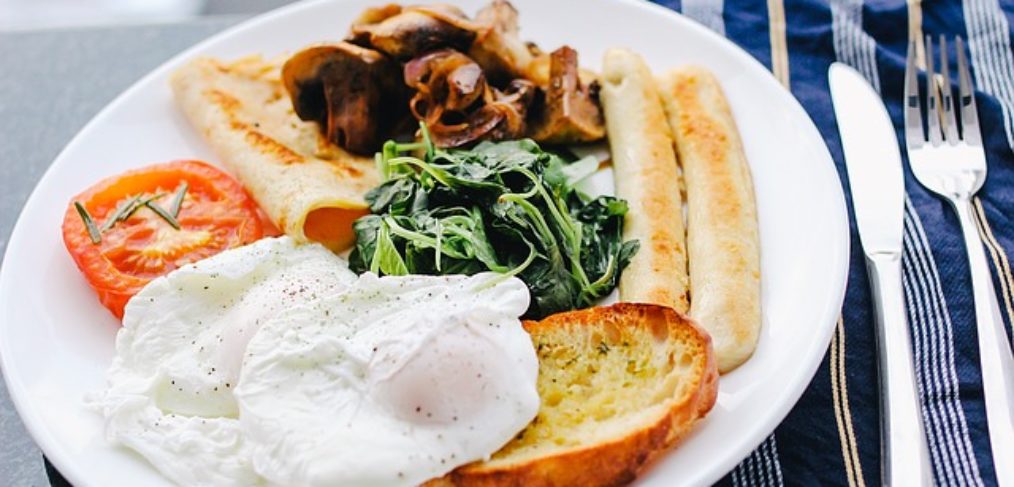
5-Star Breakfast with protein, fat, fiber, and antioxidants.

Do You Eat a 5-Star Breakfast?

You stay in luxury hotels, pick dentists and restaurants according to their reviews, and buy name-brand clothing. Your coffee is imported and your boots are made in America. But is your first meal of the day on par? Take this true/false quiz to find out if you eat a 5-star breakfast.

What I eat is as important as when I eat.

Breakfast isn’t just about preventing the embarrassing growls and gurgles during your team meeting. Breakfast sets your metabolism for the day and provides nutrients to keep your thinking sharp through every stressful encounter. If you grab only a muffin, cereal, or coffee, you will tank before 10 a.m. The rest of the day, you’ll be on a roller coaster. You’ll stuff quick carbs into your mouth to retrieve some energy, then hit a wall as those carbs burn out like tinder. It would almost be better to skip breakfast than to have sugar-spiking waffles and syrup. It is vital to break your fast with whole, unprocessed food.

My breakfast includes ample fiber, natural fat, amino acids and antioxidants.

You know the importance of real, nutrient-dense foods when you’re fixing a family dinner. Why should breakfast be any different? In fact, start your day with the nutrients you need for your active life, rather than fueling just before bed. Include vegetables and fruits, meat, nuts and seeds, and whole grain in your 5-star breakfast. At a loss for what to eat besides donuts? Try leftovers, or check out traditional recipes from other cultures.

I avoid anything artificial at all costs.

If you put premium gasoline in your vehicle, why do you put artificial foods, trans-fats, colors and preservatives into your menu? You cannot eat modern foods and avoid modern diseases. If you want pristine health, you must consume pristine foods. A bowl of neon-colored ground corn and partially hydrogenated oil floating in cocoa-flavored milk product with high fructose corn syrup just does not compare to blueberries, coconut, almonds, and buckwheat with an egg sunny side up.

Smoothies and oatmeal are dessert.

Yes, you put fruit and leafy greens in your smoothies. Certainly, you grab oats because they are high fiber. But have you considered that these constitute an all-carbohydrate meal, not moderated with a balance of fats and proteins? Therefore, they cause a blood sugar surge. Further, smoothies often contain several fruits, not just one, contributing to a greater blood sugar burden. When you blend them, you absorb them even more quickly. To top it off, you may sweeten your oats with various forms of sugar and fruit. While I don’t think you need to forego carbs, they don’t constitute a balanced meal!

I am free of cravings, hunger, brain fog, energy slumps, and irritability for four hours after eating.

When you feel “hangry,” experience mood swings, or run out of steam, your body is telling you it needs more nutrients. Use these cues to evaluate your meal. Did you eat a 5-star breakfast or was it only 2 stars? You can make gradual improvements by listening to your body’s signals.

How did you score?

Give yourself a star for each one of the statements you marked true. If there’s room for improvement, remember you are on a meal continuum, not a meal plan. Know that you are worth that 5-star breakfast!

Do you need some ideas on how to implement changes to your morning meal? Contact me for mentoring.


5 Slow-Carb Side Dishes to Love

Trying to ditch potatoes because they spike your blood sugars? Staying away from breads because they aren’t low carb? Not to fear! These amazing slow-absorbing, insulin-stabilizing dishes will have you so crazy about the sides, you’ll almost forget the entree!

Red Lentils and Tomato – best with beef

1 c. red lentils, washed and drained

2 c. bone broth

2 Tb. coconut oil or red palm oil

1 tsp. brown mustard seed

1/2 tsp. cumin seed

1 onion, chopped

1″ ginger root, grated

2 cloves garlic, minced

1/4 c. tomato paste

1/2 tsp. salt or more to taste

In a small saucepan, combine the lentils and broth. Bring to a simmer, then reduce heat, cover, and cook until lentils are soft and only a little liquid remains, about 20 minutes. Meanwhile, melt the oil over medium heat. Add the seeds. When they sizzle and change color (10-20 seconds), stir in the onion. Saute until onion becomes translucent, 2-3 minutes, then add in the garlic and tomato paste. Reduce heat to low and cook gently to marry the flavors while the lentils finish cooking. Combine the cooked lentils with the tomato mixture. Add salt to taste.

Gluten-Free “Dumplings” – excellent with stews

1 lb. cassava root, yucca root, or African white yam

2 green plantains

1 1/2 Tb. butter or coconut oil

salt to taste

Pare the root vegetable and the plantains. Place in a saucepan and cover with water. Bring to a boil and cook for 20 minutes, or until fork-tender. Drain thoroughly and cool slightly. Place in a high-power blender or food processor. Add the butter or coconut oil and salt. Process until smooth and lump free. Take spoonfuls at a time to form balls.

Note: over-ripe plantains will cause your dough to be sticky. If this happens, add a little cassava or arrowroot starch to the dough. If your plantains are too under-ripe, the dough will be mealy and will not hold together. Add a little coconut milk to the dough in this case. Aim to use plantains that are mostly green but just beginning to turn yellow.


French Lentils with Capers – complimentary to fish

1 c. green lentils

4 c. bone broth

2 leeks, thinly sliced (white part only)

1/4 c. butter

1 Tb. lemon juice

1/2 tsp. dried tarragon

4 oz. capers

Salt to taste

Put the lentils to simmer in a saucepan with broth over medium heat for about 40 minutes, until liquid is absorbed and lentils are tender. Meanwhile, saute the leeks in butter. Add the leeks, lemon juice, tarragon, capers, and salt to the cooked lentils and cook 5 more minutes to marry flavors.


Savory Bananas in Coconut Milk – beautiful with teriyaki chicken

3-4 green bananas or 2-3 green plantains, unpeeled

1 onion, chopped

2 Tb. coconut oil

up to 8 oz. coconut milk

salt to taste

Put the bananas or plantains in a saucepan covered with water and bring to a boil. Simmer until the skins split and the fruit is soft, 15-20 minutes. Drain and cool. Meanwhile, caramelize the onion by cooking in oil over medium heat, stirring frequently, until golden brown. Peel and slice the fruit and return to the saucepan along with the onions. Add just enough coconut milk to cover them. Simmer until the milk thickens slightly, 3-5 minutes. Salt and serve.


Green Apple Curry – exceptional with pork chops

2 Tb. coconut oil

1 tsp. brown mustard seeds

2 bay leaves

1-2 Tb. curry powder or 1/2-1 Tb. curry paste

3-4 large green apples, cubed2 cloves garlic, minced

2 Tb. palm sugar or 1 Tb. brown sugar

1/2 tsp. salt

1/2 c. bone broth

1/2 c. coconut milk

Heat the oil over medium heat. Add the mustard seeds and bay leaves and sizzle for about 20 seconds. Then mix in the curry, apples, sugar, and salt, tossing to evenly cost the apples. Saute 5-10 minutes, until apples start to soften. Add broth and coconut milk. Continue cooking about 10 minutes more, until apples are quite soft and sauce is thickened.

Eat Probiotics When Cravings Strike!

Have you ever eaten something sour when your body cried out for sweets? It seems counter-intuitive, but the probiotics in a cultured food can alter your cravings in the long run by improving your gut health.

In this video, you can see how easy and inexpensive it is to create your own probiotic foods from your garden.

You can find recipes for culturing your vegetables online at Cultures for Health. If you are purchasing naturally fermented foods, look for phrases such as “contains live cultures” or “never heat-treated” on the label.

Other benefits of probiotic foods, aside from helping with cravings, are that they:

  • Bolster your immune system and help fight infection.
  • Strengthen your gut and help relieve conditions such as bloat, indigestion and IBS.
  • Make your food more digestible and help your absorb your nutrients better.
  • Manufacture B vitamins, which you are likely to have a deficiency of if your are under chronic stress or sugar overload.
  • Are an economical way to boost your health.

Did You Want to Be Sick, Tired, Fat, and Depressed?

There is a deadly epidemic in America, and odds are that either you or your buddy has it. It is making you fat and sick, but there’s a 90% likelihood that you don’t have any idea it’s there.

I’m talking about insulin resistance, a totally reversible condition that is the single most important phenomenon leading to premature aging, heart disease, stroke, dementia, and cancer. In its early stages, it triggers weight gain, inflammation and oxidative stress, high blood pressure, abnormal blood lipids, anxiety, and depression.

How Do You Know You Have It?

Key indicators of insulin resistance are:

  • difficulty losing weight
  • belly fat
  • fatigue
  • hunger
  • carb cravings
  • hormone issues
  • irritability when you don’t eat
  • difficulty with memory or concentration
  • water retention
  • facial hair if you are female, erectile dysfunction if you are male

If too many of these symptoms are familiar, you will want to ask your doctor for a fasting insulin blood test. If your results are double digits, you are on the path to diabesity – those metabolic issues that create diabetes and obesity, along with other chronic diseases mentioned.

In Case You Don’t Want to Be Sick, Tired, Fat and Depressed

The good news is that insulin resistance is reversible! But you need to be dedicated to all five pillars of diet and lifestyle:

  1. Choose good food. There are no if’s, but’s, or and’s about it. Sugar is out if you’re serious about getting your body’s metabolism back to healthy. Refined foods and products made with flour get the boot, too. Fill your plate half full with vegetables. The other half of your plate should be divided between good quality, lean protein and slow-burning, high fiber carbohydrates, such as berries, black or red rice, quinoa, green plantains, or cassava root. Use natural, unprocessed fats for cooking and dressing your meals. Foods that don’t require labels are best!
  2. Get plenty of sleep. Even one night of poor sleep can increase insulin resistance. You are much more prone to overeat and to have sugar cravings when you are tired, so getting 8 hours of shut-eye per night has to be a priority.
  3. Take appropriate supplements. As much as I support properly-prepared, nutrient-dense, whole food, your body may be so out of balance that it cannot heal itself without the assistance of some high-grade nutrients. It is common for individuals with insulin resistance to be deficient in vitamin D, Omega 3’s, chromium, B vitamins, minerals, and anti-oxidants. But taking supplements is only part of the story; absorbing them is the rest. For that reason, it is critical to work with a practitioner to make sure you are getting what your body needs.
  4. Get moving. Aside from diet, exercise is probably the single best medication for insulin resistance. Start with walking for 30 minutes a day. Add in 10 minutes of HIIT (high intensity interval training) and resistance training with weights or bands as you are able. Spending hours is not important. What matters is that you work vigorously, getting your heart rate up to 70-80% of its maximum.
  5. Take time to relax! In the face of chronic stress, insulin output increases, driving insulin resistance even higher and creating even greater inflammation in your body. Passive downtime watching movies or surfing the internet is not enough. You must actively connect your body and brain to each other and to the present, through sensory stimulation, through breathing, and through mindfulness and gratitude activities. If you need some help, check out my stress hacks that can be performed in two minutes or less, anywhere, anytime!

Together, we can upset the odds. Let’s take your 50% chance of having insulin resistance down to zero!