If you don’t like veggies, it’s hard to eat healthy. You can get plenty of carbohydrate and protein, but what about those vitamin & mineral micronutrients found in fresh produce? With a few tips and tricks, you can enjoy them more. Follow these steps to increase your vegetable intake to half your plate.
Why You Need More Veggies
Doctors and dieticians may disagree over which diet is most beneficial for health, but no one is saying you should eat fewer vegetables. Whether you are low-carb, low-fat, vegan, keto or embarking on intermittent fasting, the consensus is that vegetables provide much-needed nutrition. Here are just a few reasons to be bold if you don’t like veggies.
- They feed your microbiome. Vegetables come in green, yellow, orange, red, and purple. These colors are the manifestation of polyphenols, which are compounds that not only support your health, but the health of your microbiome. Polyphenols also help reduce free radical damage.
- Vegetables help stabilize blood sugars. Because they are high in fiber, vegetables digest more slowly than juices, flour-products and sweetened foods that spike blood sugars. They keep you satiated longer and stave off cravings.
- They can contribute to weight loss. Because they are so jam-packed with nutrients but so low in calories, you can eat a lot, feel full, and not fill up on empty calories that make you gain weight.
- They contain antioxidants that help fight disease. Higher intake of antioxidant-rich foods is associated with lower risk of chronic diseases such as cancer and heart disease.
Enjoy Them Fresh-Picked
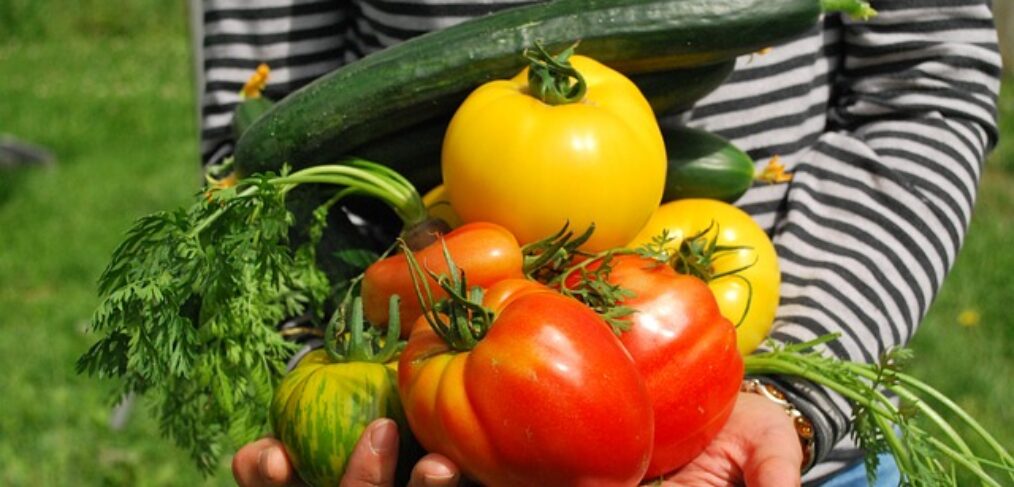
Many people don’t like vegetables because they are perceived as being mushy and flavorless. But vegetables don’t have to be cooked! Fresh-picked peas and tomatoes are sweet, savory, and satisfying. If you don’t have a garden, visit your farmer’s market, or eat flash-frozen vegetables straight out of the bag!
If You Don’t Like Veggies Straight, Try This
Sometimes, all it takes is a creamy dip to complement a crunchy vegetable. Bell peppers, celery, and carrots are great with hummus, Ranch dressing, and guacamole. Or try this traditional tahini dressing made from sesame seed paste.
Eat Them on a Pizza
Yes, of course, you can top a pizza with veggies. But if you don’t like veggies, why would you ruin a good meal? But if you crumple a bag of frozen spinach and mix it into the sauce, you won’t even know the leafy greens are there. In this video, I show the audience how to sneak veggies into pizza, cake, and other favorite dishes.
Try Crispy Veggie Chips
Katie Kimball, author at Kitchen Stewardship, knows just how addicting potato chips are – and how detrimental they are for health. But she has taken the concept of something salty and crunchy and applied it to garden produce in such a way that even the kids clamor for more. You can find her easy-to-follow instructions here, even if you don’t have a food dehydrator.
Kids Who Don’t Like Veggies Enjoy These Pancakes
Okonomiyaki are Japanese pancakes enjoyed as street food. They are made with cabbage! I share a recipe for them here, but you can also adapt a potato pancake recipe by substituting a bag of shredded cabbage for the grated potato. While you will probably enjoy them more with siracha sauce than with syrup, they are still comfort food that is easy to enjoy.
Veggie Nuggets, Anyone?
It’s not just kids that like finger foods. Don’t most of us enjoy little morsels of crunch that we can dip and pop into our mouths? It’s easy to make a breading that will result in a crisp product when roasted in a hot oven. Just toss moist vegetable pieces with a little flour, dunk in beaten egg, then roll in panko crumbs. Bake at 425 degrees F. until slightly browned.
Don’t like veggies, but love fries?
Veggie fries are the cousin of veggie chips. Instead of cutting slices, cut strips. Then put them in an air fryer instead of dehydrating them. Some light-colored vegetables that take a crisp well include turnips, parsnips, jicama, green plantains, rutabaga, and celeriac.
Many Don’t Like Cruciferous Veggies, so Here’s a Trick
If you think broccoli, Brussels sprouts, kale, and other cruciferous vegetables taste bitter, you’re not imagining it! And if you are a Super Taster, that bitterness tastes even stronger. Dr. Sarah Ballantyne explains the physiological reason why you can’t stand these sulfurous veggies. But there’s hope! When you blanch a crucifer for just 1 minute in boiling water, then transfer it to ice water, you neutralize the bitter compound. You can then munch on the vegetable cold, roast it, stir-fry it, make chips or fries, or use any of the other methods detailed here. You will be surprised at how much more enjoyable it tastes!]
You can also offset bitterness by adding acid (lemon juice or vinegar) and/or sweetness (honey or pure maple syrup).
Try Microgreens
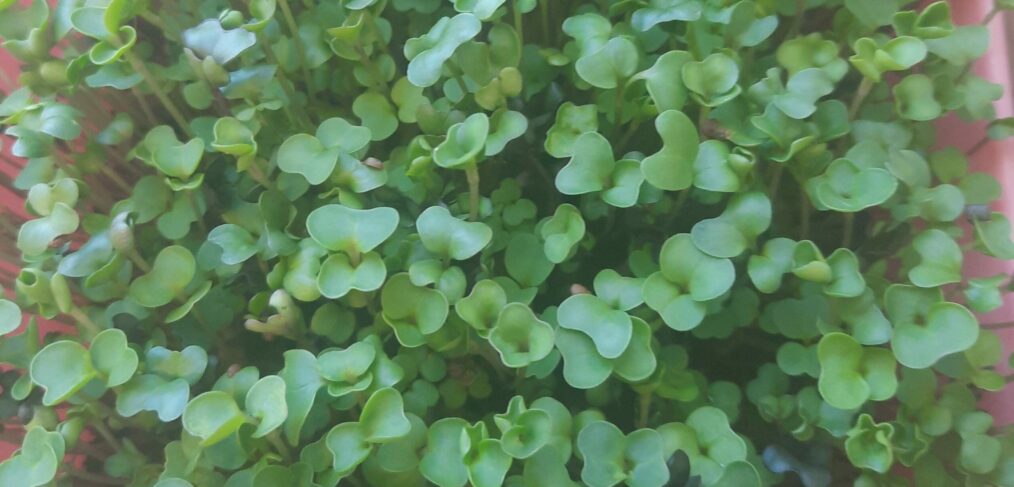
It only takes one to two tablespoons of microgreens to make a serving of vegetables. And microgreens are super easy to add to sandwiches, soups, salads, spaghetti, tacos, burgers, and even puddings and dips. Margo Clayson, owner of The Mighty Microgreen, even adds them to ice cream! If you don’t like veggies, start small. Try microgreens first. They benefit your health in very small doses because they can have up to 40 times the nutrition of a mature vegetable.
Blend Them Up…with Cheese
If you have leftover vegetables in the refrigerator that no one wants, drop them into any canned or homemade soup. When they are well-cooked, put the soup in the blender to make a creamy bowl that you can dress up with cream, croutons, and/or cheese.
Grill Your Veggies
Even in the winter, you can create amazing kabobs and vegetable bites with an indoor smokeless electric grill. This appliance adds a little char to make your vegetable more appealing. Cook at a high temperature for a short period of time, and dress with plenty of healthy fat and spice. Adding a splash of balsamic vinegar just before serving enhances the flavor.
Eat Them When You’re Hungriest!
When do you eat your vegetables? Do you save them for last because you dread eating them? Do you stare at them wilting in the fridge after you have snacked on crackers or chocolate? The real key to enjoying your vegetables is to get good and hungry. Don’t spoil your appetite with sugar! Bell pepper and sweet potatoes are as satisfying as fruit snacks when you’ve been working in the hot sun and are looking for some sweet refreshment. Try going 4 to 5 hours between meals with no snacking, then eat your vegetables first!
Want More Tips?
This video from Dr. Sarah Ballantyne leverages ideas such as positive associative learning and other tools to help you overcome learned aversions.