woman consulting with functional practitioner

A Functional Approach to Autoimmunity

The functional approach to autoimmunity could reduce the number and intensities of your flares. Further, it might stall the development of new autoimmune diseases. The functional approach goes beyond only treating the symptoms of your disease. Its primary goal is to find and reverse the imbalances that cause autoimmunity in the first place.

How Did I Get Autoimmunity?

The current research points to 4 common causes that crop up repeatedly. These seem create a perfect storm for disease in most cases of autoimmunity.

First, there is a genetic or familial predisposition. In other words, there is a tendency toward factors such as poor detoxification, higher sensitivity to allergens, greater inflammatory response, or more exaggerated stress reactions. This vulnerability might be from inherited genes or from family culture.

Second, you develop enhanced intestinal permeability. Everyone has a “porous” digestive system that lets nutrients into the bloodstream while keeping dangerous substances out. Those with autoimmunity just have “bigger holes in their strainer.”

Third, the immune system becomes weak or dysregulated. Since the immune system is a nutrient hog, it becomes feebler when it doesn’t have enough micronutrients to keep it buff. Then, enhanced intestinal permeability overexposes the whole body to things that should stay in the gut. So, the immune system gets hypervigilant. It stops tolerating what it should tolerate.

Finally, a trigger starts the cascade. The trigger can be anything inflammatory – toxins, trauma, infection, allergens, stress. These aggressively activate the immune system. Now, the body attacks itself. It does so because unwanted molecules (from the gut) are embedded in your tissue. Or because your tissue looks like the threat that crossed out of the gut into your bloodstream.

Why Do I Have More Than 1 Autoimmune Disease?

When you take the functional approach to autoimmunity, you understand that your disease isn’t so much about your thyroid or skin, or colon. It’s about a pervasive environment in your body. That environment could allow your immune system to attack any organ or tissue. If the conditions above go unaddressed, the environment is ripe for more autoimmunity of any kind. Thus, once you develop a single autoimmunity, you are more susceptible to another.

How Does the Functional Approach to Autoimmunity Differ from the Conventional Approach?

Functional practitioners take to heart the words of Dr. Alesio Fasano that the autoimmune process can be arrested. How? By preventing the interplay between your genes and your triggers. You stop this interplay by re-establishing barrier function. That is, you close the gate between your gut and the rest of your body.

Your practitioner may rely on medication to provide rapid relief from runaway inflammation. But he doesn’t stop there. He will take steps to keep inflammation from happening in the first place, rather than trying to quell it after the fact. He will also fortify your immune system with nutrients. Additionally, he will work with you to remove or reduce triggers.

Where Do I Begin?

The functional approach to autoimmunity is actually simpler than it sounds. Maximize the raw materials for thriving health. Minimize factors that are destructive to your health, including toxins, trauma, stress, allergen, and infections. Prioritize an environment for healing. That’s it! Your body does the rest.

You can start today with lifestyle choices within your control.

  • Maximize hydration and oxygenation. Drink clean, pure water and take deep, long breaths. Eat nutrient-dense whole food to maximize vitamins, minerals, antioxidants, proteins and essential fatty acids. Maintain positive beliefs.
  • Minimize stress and automatic negative thoughts. Minimize doubts and fears. Take care to limit exposure to toxins through cleaning products and personal hygiene products.
  • Prioritize sleep, recreation and movement. Seek joy, laughter, connection and mindfulness daily. Nurture wholesome relationships. Spend time in nature.

Then, begin working with a functional practitioner to assess where your unique imbalances lie. Contact me if you’d like a free discovery call to find out how I can help you regain your health.

toddler taking tiny steps up a staircase

Tiny Steps to Decrease Your Stress

You only need to take tiny steps to decrease your stress! So, don’t stress about de-stressing! Dissipating a build-up of frustration and pressure doesn’t take an hour of yoga, or a vacation to the Bahamas. It only takes 30 to 90 seconds when you use rituals that you can ingrain into your routines every day.

Pick behaviors that you can do in the time it takes you to sing the alphabet song. Make them actions that you can easily do on the spur of the moment. Then attach them to something that is already part of your daily life, such as eating, grooming, or driving.

Decrease your stress with tiny steps, literally

You might typically blow off some pressure by going for a run or hitting the gym. But what if you could take small exercise snacks throughout the day, each being less than 100 steps? The opportunity to expand your lungs and walk away from a demanding situation could be all you need to re-set your nervous system. Here are some suggestions:

  • Do push-ups during TV commercials.
  • Run a flight of stairs or two before a meal.
  • Rebound for two minutes at the top of each hour.
  • Squat while you brush your teeth or use the toilet.
  • Walk around the block when you collect your mail.
  • Race a family member to the corner.
  • Do press-ups against the counter while you wait for the kettle to boil or the microwave to beep.

Tiny bites to decrease your stress

Eating on the run is physiologically stressful. You keep your body in fight-or-flight, and don’t allow it to switch into rest-and-digest when you grab and dash with your meals. But you can take tiny steps in your eating hygiene that will change your stress, at least at mealtimes. Try these ideas:

  • Use toddler utensils to remind yourself to take smaller bites and chew more thoroughly.
  • Deeply inhale the fragrances of the meals before you take a bite, then breathe out through a straw to encourage a slow exhale.
  • Set the table and spread a napkin in your lap to encourage yourself to sit at a table. This distracts you from eating mindlessly in front of the TV or snarfing snacks while you drive.
  • Use a small mug for your beverage so that you don’t dilute your meal and add unnecessary calories.
  • Verbalize appreciation or reflect on your good fortune every time you sip your beverage.

Practice instant stress hacks throughout your day

Stress hacks either change your breathing to activate your parasympathetic nervous system, stimulate your vagus nerve, release oxytocin, or downregulate stress hormones. If you do them consistently, you can proactively keep your stress level from rising out of control.

Scribble post-it notes to remind you to engage in one or several of these hacks regularly:

  • Stretch into 2 or 3 sun salutations when your feet hit the floor in the morning.
  • Listen to binaural beats while you get ready for the day.
  • Sing in the shower.
  • Blow your breath out fully every time your wash your face or your hands.
  • Hum while your drive.
  • Gargle long and loud every time you take a bathroom break.
  • Take 3 deep breaths every time you reach for your water bottle.
  • Massage your occipital ridge when you face conflict.
  • Give a 20-second hug when you meet a cherished friend or companion.
  • Suck on an l-theanine lozenge while you work on reports or presentations.
  • Practice a 1-minute meditation at the end of your workday.
  • Snuggle with a pet after dinner.
  • Write a 2-minute “gratitude dump” in your journal after your put on your pajamas.

If the idea of tiny steps to decrease your stress resonates with you, check out my post, Change Your Diet with Micro Habits. To learn more about small changes guaranteed to improve your lifestyle, read Tiny Habits by BJ Fogg.


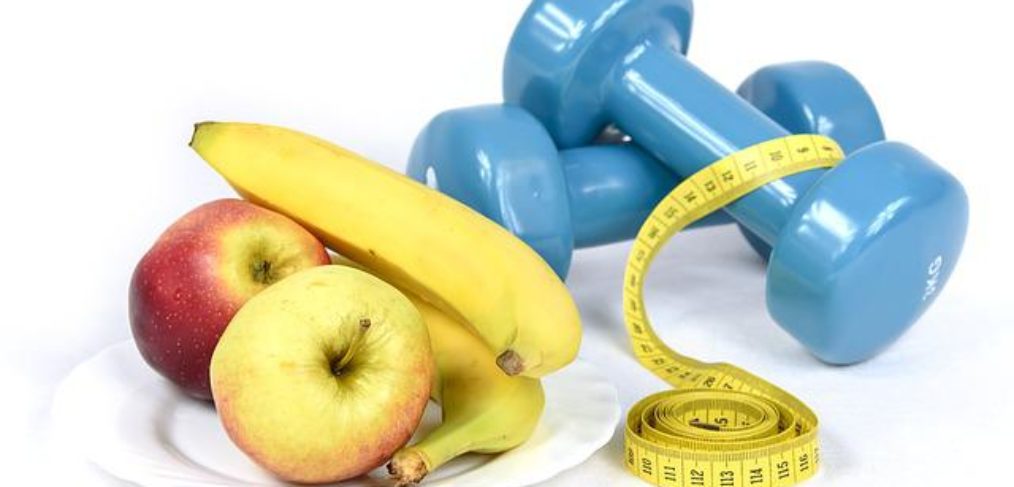
apple & banana to change your diet

Change Your Diet with Micro Habits

To change your diet may seem intimidating. Perhaps you know you need to eat better, but you don’t have time to cook. Or maybe you have food sensitivities and crave the foods you react to. It’s possible you believe that the whole idea of planning, shopping, and controlling intake is utterly overwhelming.

No problem! Micro habits are attainable because they are easy, usually something you can do in the next 30 seconds. Not only that, but micro-habits help you change your diet because your motivation to accomplish them is going to be much higher than it would be for something that’s causing you stress. Micro habits fit into your schedule seamlessly. You can remember to accomplish them because you attach them to something you are already doing.

Start with hydration

You probably read that heading and had a nagging feeling of guilt. You know you are supposed to drink more water. It doesn’t taste good, or you forget, or you’re simply addicted to your caffeine. That’s okay! Keep your routine for now and add some micro habits.  Here are six suggestions you can implement immediately to galvanize your ability to change your diet.

  • Drink a glass of lemon water first thing in the morning while your coffee brews. You can even set it out on your nightstand or your kitchen counter the night before, so you don’t forget.
  • Fill several water bottles to carry with you throughout your day. Do this when you feed the dogs/cats/kids in the morning. You can even drop in an herbal tea bag to cold infuse so that your water has some flavor.
  • Supercharge your water glass or water bottle with a sugar-free powdered electrolyte mix, such as Ultima Replenisher or LMNT.
  • Sip from your water bottle every time you enter or exit a building.
  • Grab a drink every time you use the restroom.
  • Request herbal tea or water instead of soda or coffee at restaurant and convenience stores.

Change your beverages before your change your diet

I believe that before the industrial age, people mostly drank water, except for a morning coffee or an afternoon tea. To the detriment of our health, many of us now only drink soda, or rely on multiple cups – or even pots – of coffee to keep going throughout the day. Then we need a nightcap in order to calm down at night. Micro-habits to the rescue! You can frontload your diet changes by taking tiny steps that keep the ritual but change the nutrition of your beverages.

Downregulate your coffee intake with any of these swaps:

  • Swiss water process de-caffeinated coffee. Also called the Water-Only process, this method uses water no chemicals to remove the caffeine from coffee beans. As a result, you don’t get harmful chemical residues for your body to detoxify, and the product tastes better.
  • Organic matcha. Much less caffeinated that straight coffee, a matcha latte with milk, stevia, vanilla & cinnamon might be satisfying to you in the morning.
  • Green tea. Served with honey, this serves as an afternoon pick-me-up that contains a small amount of caffeine along with l-theanine to increase focus and calm your nervous system.
  • Sip a coffee alternative. Many brands have been developed to support the coffee habit without the caffeine. A few of these are Dandy Blend, MUD/WTR, Rasa, Four Sigmatic, and Harmonic Arts Elixirs.

You can wean yourself from soda by switching to Zevia first. Later, you can try kombucha or mineral water before graduating to plain water.

To reduce your alcohol intake, search the internet for mocktail recipes to enjoy, or try virgin Wilderton, distilled from botanicals and 100% alcohol free.

Change your dietary habits with substitutions

Unfortunately, many of us want results yesterday. So, we try to make big changes all at once. When we don’t implement them perfectly, we get frustrated, lose our motivation and give up.

The beauty of a micro habit is that it allows you to make a small movement that doesn’t disrupt your rhythm. Soon, you are able to take on even more healthy changes to your diet. Like the tortoise who beat the hare, you reach your goal by slow and steady progress rather than intermittent spurts.

Below are some trades you can make to increase the nutrient density of your food.

  • Olive oil or coconut oil for vegetable oil (canola, corn, soy, safflower, cottonseed).
  • Rutabaga for potato (try it mashed or air-fried).
  • Cassava crackers for potato chips
  • Organ-based seaasoning for table salt
  • Zoodles (zucchini spirals) or Miracle Noodles for pasta
  • Grilled chicken for fried chicken

Additionally, you can boost your meals by slipping in extra protein, natural fat, or vegetables. Sneak in some of these:

  • Avocado, coconut milk, or flax seeds in your smoothie
  • Collagen in your yogurt, juice, oatmeal, salad dressing, or tea
  • Bits of frozen spinach or kale in your soup, marinara, pizza, scrambled egg, or rice
  • Simple sauces on your vegetables to make them taste better.

If you like the idea of micro habits, check out my post on Tiny Steps to Decrease Your Stress. To learn more about small changes guaranteed to improve your lifestyle, read Tiny Habits by BJ Fogg.