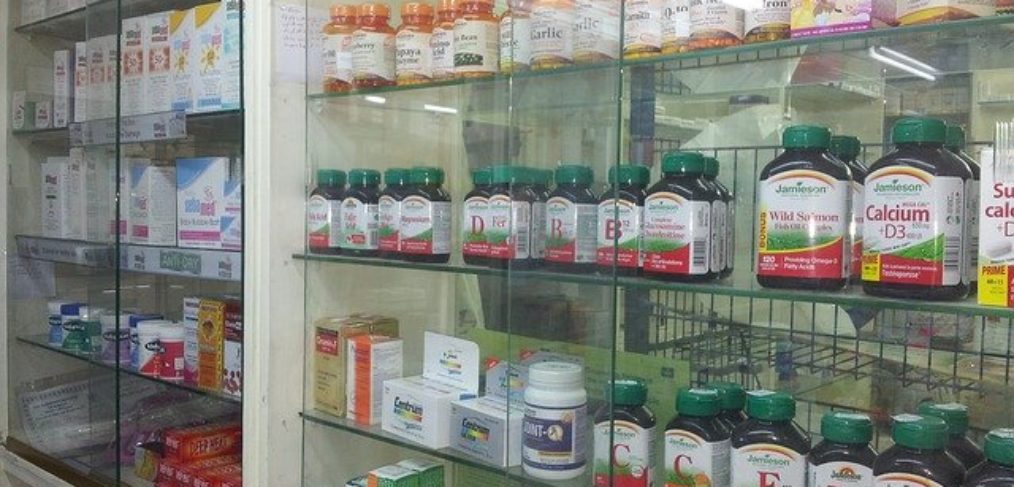
Selecting the right supplement for your own body’s need can be as confusing as deciding between paleo and vegan, between low-fat and keto, or between gluten-free and whole grain. In the circus of marketing tactics, what claims are you to believe?
First, Do You Need to Supplement?
To begin with, I want to make it clear that no supplement, regardless of its benefits, can replace a healthy diet. There is simply no such thing as eating poorly, and expecting to make up for with with a multi-vitamin. On the other hand, even the cleanest diet may be lacking in targeted nutrients specific to your genes, lifestyle, and environment.
Supplements can give a short-term boost to overcome an insufficiency that has accrued over time. For example, you may need extra vitamin D temporarily after spending a winter at a desk job in the northern hemisphere. Also, supplements can help with a very targeted therapy. For instance, you may need digestive enzymes and probiotics if you are struggling with Irritable Bowels. Finally, supplements can provide insurance against future illness. Since our produce today has many fewer nutrients than just 25 or 50 years ago, you may add magnesium to your regimen to help prevent tension headaches, muscle spasms, and even heart arrhythmia.
Yet overall, food provides greater nutrient density than any supplement. At most, a multi-vitamin contains around 30 vitamins and minerals. A single stalk of broccoli contains over 500 nutrients! Beyond that, a single piece of produce usually contains all of the cofactors to help metabolize it. As a case in point, a beet contains sugar, but also the minerals and vitamins your body needs to process that sugar. No supplement can give you that kind of synergy, nor are supplements always as bio-available as food.
Considerations Before Purchasing a Supplement
The “best” supplement is one you can find, afford, remember to take regularly, tolerate well, and reap some benefit from. – Tracy Harrison, founder School of Applied Functional Medicine
- Access: Sure, zinc picolinate is a great immune boost during a pandemic. But is it available? Can you get it locally? Do you have to order online and wait for it to be in stock?
- Cost: If you buy a supplement, will it take money from your grocery budget that you would have spent on quality food? It may be better to eat real food and forego the liquid chlorophyll than to eat macaroni and cheese, then sip your liquid greens in a bottle.
- Bio-availability: Is the supplement in a form you can take and absorb? Minerals in foods come attached to amino acids, but inexpensive supplements often attach minerals to salts. This is the case with calcium carbonate or magnesium oxide. Additionally, the supplement needs to be one that you personally can assimilate. In other words, is it a powder if you have trouble swallowing capsules? Is it a liquid if you have trouble digesting tablets? Is it the active form of the nutrient? Many people have trouble converting beta carotene to retinol. The latter is the form of vitamin A your body uses. Other individuals have trouble making methylfolate from folic acid. Consult with a functional practitioner if you need help deciding what form to take.
- Tolerance: A calcium supplement containing whey from cows is not helpful if you have a dairy sensitivity. Or perhaps, the beneficial nutrient is packaged with binders or fillers. Here’s a good article to understand additives used in supplements.
How to Choose a Quality Supplement
- Good Manufacturing Procedures: These guidelines assure that a supplement has the identity, strength, composition, quality, and purity that appear on the label. USP and NSF perform third-party testing which certifies that a supplement has been made using these guidelines.
- Tru-ID: Some large companies perform their own quality assurance tests. These confirm that the ingredients as represented.
- Non-GMO: This certification insures that there are no measurable GMO ingredients in the product
- Food-based or lab-derived: Most supplements are lab-derived. This is not a bad thing. Because companies can synthesize nutrients chemically identical to those found in nature, you get a standardized quality and quantity for less money. Lab-synthesized nutrients can also be more concentrated. Therefore, if you prefer that your supplement have whole food ingredients, you will need to take a higher dose in order to get the same benefit.
- Non-toxic ingredients: Watch out for harmful components, such as sweeteners: corn syrup, sucralose, sugar alcohols (sorbitol) Also beware of aluminum, hydrogenated oils, talc, artificial colors and artificial flavors.
Reputable Supplement Companies
There are way more supplement companies than I can list. The following are some of the most reputable:
- Thorne
- Pure Encapsulations
- Metabolic Maintenance
- Metagenics
- Designs for Health
- Integrative Therapeutics
- Innate Response
- Allergy Research
- Life Extension
- Vital Nutrients
- Seeking Health
- Jarrow
- Xymogen
- Synergy
- Garden of Life
- Dr. Mercola
- Biotics
- DaVinci Labs
- Quicksilver Scientific
- Renew Life
- Gaia Herbs
Unfortunately, the supplement companies at the bottom of the barrel are the ones for the big box stores. That is because they incorporate cheap, inactive forms of nutrients you cannot absorb well. These companies use sweeteners and artificial colors and flavors to make the product more appealing. They may use talc for a filler. Their products contain allergenic ingredients such as caramel color (gluten) and whey (dairy).
If you are going to put your money into supplements, choose wisely so that you don’t literally flush your nutrients down the toilet.