April 2020

antioxidant berries for inflammation

Antioxidants for Inflammation

You need antioxidants for inflammation. Simply put, inflammation flares when free radicals outnumber antioxidants in your body. While this is a good thing because of surgery or an acute trauma, it’s trouble if it continues chronically. Inflammation is the sign of tissue damage. You want to stop that damage and quench the fire. That’s why you need to eat antioxidant foods AND make antioxidants within your body.

Common Triggers for Chronic Inflammation

You’ve probably heard it before. However, the textbook answers are still true. Here’s a short list of lifestyle factors that contribute to inflammation.

  • Sleep deprivation (Anything less than a consistent 8 hours per night is considered inadequate.)
  • Extreme exercise
  • Sustained elevated blood sugars
  • Eating oxidized or rancid fats (Hint: this includes transfats and vegetable oils such as canola, cottonseed, soy, safflower, and corn.)
  • Toxicity from heavy metals, chemicals, or pathogens
  • Chronic simmering infection
  • High levels of emotional or physical stress

What are Antioxidants?

If your body were a car, the antioxidants would be the steel brushes that removed the rust from your parts. While you don’t actually rust like metal, you still have natural processes at work that can damage your tissues. Without antioxidant molecules, you wouldn’t be able to reverse this damage.

Antioxidant Foods for Inflammation

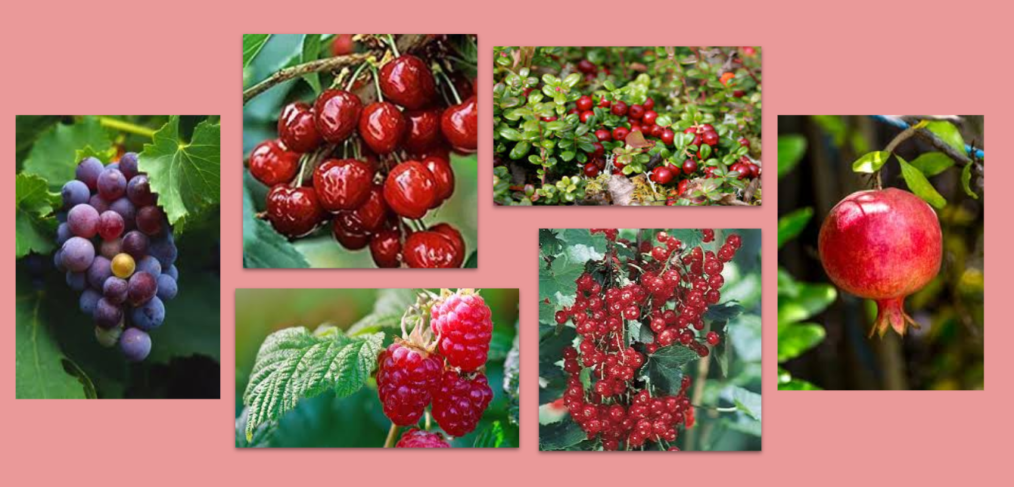
Look for rich, deep natural colors in whole foods to signal high antioxidant content. For example, dark, leafy greens and bright, red berries are great choices. Interestingly, spices are among the foods highest in antoxidant content. Use both warming spices and cooling herbs in your cooking! In particular, include cumin, ginger, turmeric, parsley, mint, and cilantro.

Another category of antoxidants for inflammation is dark-fleshed fish, such as sardines, salmon, herring, and mackerel. Undoubtedly, these are high in antioxidant omega-3 fatty acids.

How to Synthesize Antioxidants for Inflammation

As important as antioxidant-rich whole foods in your diet are, it’s even more critical that your body be able to make its master antioxidant, glutathione. Indeed, your ability to quell inflammation hinges on this molecule, made from three amino acids, glutamine, glycine, and cysteine. The latter requires methionine for its synthesis. Therefore, getting the essential amino acid, methionine, in your diet is imperative. Eggs, meat, fish, nuts, and seeds are the best sources of methionine.  Legumes, though protein-dense, have very little methionine. Most fruits and vegetables have almost none.

Two other substances necessary to create glutathione are sulfur compounds and vitamin B-6. When you use onions & garlic in your cooking, your are adding sulphur compounds. Also, cruciferous vegetables contain high amounts of sulfurs. This class of vegetables includes broccoli, kale, cauliflower, cabbage, turnips, spinach, Brussels sprouts, horseradish, and wasabi!

While prominent in many foods, Vitamin B-6 serves several essential functions besides making glutathione. If your diet and lifestyle are putting heavy demands on your body, it’s easy to be short-changed on this lifestyle. Some conditions that make it likely you have insufficient B-6 include smoking, diabetes, alcoholism, celiac disease, rheumatoid arthritis, and inflammatory bowel disease.

The key to vitamin B-6 sufficiency is being able to convert it to its active form. Eating more foods high in this vitamin is not helpful if you can’t convert pyridoxine to pyroxidol 5-phosphate. You can work with a functional practitioner to remedy this problem.



Viruses provoke immune fitness

Immune Fitness for Viral Survival

What’s your immune fitness? Is your adaptive immunity robust enough to rise above an infection, stronger than before? Although you may not know your capability for viral survival, sound principles of health give you a powerful offense.

Exposure is Inevitable

Viruses are ubiquitous and everlasting. As the most numerous biological entity on the planet, they affect all lifeforms. Because there are millions of kinds of viruses, they appear in plants, insects, animals, and humans alike, transferring between hosts via sap, blood, mucus, or feces. Ironically, viruses technically aren’t a life form themselves. They don’t breathe (respirate), grow, or have their own metabolism (breakdown of food to create energy). In fact, without a host, they are inactive, inert, and non-responsive.

However, there is no such thing as life without viral exposure. Even babies face a constant challenge to their immune systems. But that’s the beauty of it! Your immune fitness requires opposition to strengthen it. Viral exposure is like athletic training. No one aggressively sprints uphill well without practice. Many hill climbs condition you to respond powerfully without collapsing. Similarly, each virus you encounter trains your immune system to recognize a threat and to launch an assertive antibody response.

The Best Defense is a Good Offense

Your immune fitness is a work in progress. When a viral threat confronts your body, your innate immune system – with its macrophages, T cells and killer cells – is like a crew of paramedics. These First Responders assess the situation and call appropriate back-ups. For instance, they might need a neurosurgeon, or perhaps a thoracic specialist. Likewise, the innate immune system rallies the B cells to form antibodies for the particular germ you are facing.

But here’s the clincher: You develop this adaptive immunity only after a successful first innate response. If nothing ever provoked your innate immunity, you would never develop any resistance. Thus, exposure primes your immune fitness. This is the principle behind vaccines.

Make Broad, Balanced Choices for Viral Survival

Another truth is that you cannot restore immune fitness during times of stress. Your body switches into a sympathetic response, known as fight-or-flight, when challenged. This state dilates your eyes, speeds your pulse, increases your respiration rate, raises your blood pressure, and heightens your muscle tension. However, your immune system only replenishes itself during times of rest and relaxation. It requires more nutrients than any other system in your body. But what body will prioritize digestion or sleep when running from the Boogey Man?

Therefore, immune fitness is more than minimizing infection. It is maximizing food nutrients as well as emotional, social, and other lifestyle nutrients. It is prioritizing true health, over just absence of disease.

Develop Immune Fitness

Doritos and Mountain Dew don’t contain the slew of minerals your immune system hogs. The nightly news doesn’t engage your parasympathetic, calm-and-connection nervous system response. You must make deliberate choices to gear up your nutrition and gear down your worry. You develop immune fitness that enhances your viral survival with these tactics:

  1. Chill! For real. Being in a reactive state of worry or fear activates your fight-or-flight system in the body and suppresses immunity. Deliberately stop frequently to breathe deeply, exercise faith, and know that you will get through this. Focus on hope, gratitude and laughter.
  2. Engage! Seize the moment to strengthen relationships in precious, sacred ways. Personal connections raise oxytocin, lower cortisol, and put the nervous system in a state that supports immunity.
  3. Take the Pill of Common Sense. Your body functions best with deep sleep, nutrient-dense food, and frequent movement. Freaking out, losing sleep, eating junk food, and vegging in front of a screen does not support wellness.