October 2017

Something bugging your hormones?

Did you ever think that your low thyroid, plummeting libido, insulin resistance and estrogen dominance could be related to an overgrowth of “gut bugs”? It might seem like a stretch, but let’s follow the train back to the station.

Hormone Trouble Means Blood Sugar Instability

Hormones, of course, aren’t limited to testosterone and estrogen. You have hormones to stimulate or curb appetite, rev up or slow down metabolism, spark or curtail growth, ignite or dampen stress, and even wake you up or put you to sleep. Many of these hormones are fat-soluble. But even those that aren’t still need essential fatty acids for their construction. So a low-fat diet means trouble for hormones. The truth is that in almost every instance of hormone imbalance, the body is burning sugars not fats. Let me put that another way: if your hormones are bonkers, so are your blood sugars! When there’s a deficiency of essential fatty acids, there’s usually a surplus of sugars.

Blood Sugar Imbalance Can Indicate High Cortisol Levels

Sure, you could be eating too many carbs (dietary cause), or not digesting and absorbing the natural fats that you do eat (physiological cause). But in today’s world, there’s often a chemical cause of high blood sugars: stress! That’s right, your stress  hormone, cortisol, raises blood sugars! It was designed that way to give you the energy to fight or flee in an emergency. So, chances are that if your hormones are cock-eyed, you also have a fair amount of stress in your life driving blood sugars up on a consistent basis.

Not All Stress is Emotional

In the world of nutritional therapy, anything that throws your body out of kilter is a stress because it requires energy to re-establish equilibrium, or homeostasis – meaning stability of the body. Very common triggers in your gut for increased physiological stress and cortisol output are:

  • food sensitivities.
  • toxins.
  • an overgrowth of yeast, bacteria, or parasites, or in other words, gut bugs.

Because the American diet is low on pre-biotic and probiotic foods, and because most of us have had several rounds of anti-biotics that kill beneficial microbes as well as the disease organism they’re targeting, and because we have so many emotional triggers that shut down blood flow and oxygen to the digestive system, it is almost universal to have a gut full of opportunistic pathogens, draining your energy and causing your body to respond in alarm as it tries to maintain homeostasis.

Treat the Cause

Suppose you have leptin resistance, meaning your cells don’t respond to the hormone to eat less and burn more. You could try to address the leptin sensitivity itself. But as long as your cortisol output is still high, any treatment you adopt is going to be short-lived. And if cortisol is high because your gut bugs are out of control, the only lasting solution is to address the bugs themselves.

It is wise to work with a nutritional therapist, who can follow clues to determine what is contributing to your blood sugar imbalance. A Nutritional Therapy Practitioner can test supplements against your body to find out which ones work and which ones don’t, so you avoid wasting money on treatments that aren’t helpful. Just remember that the hormone issue is really the tip of the iceberg. For true healing, you have to investigate underlying causes.
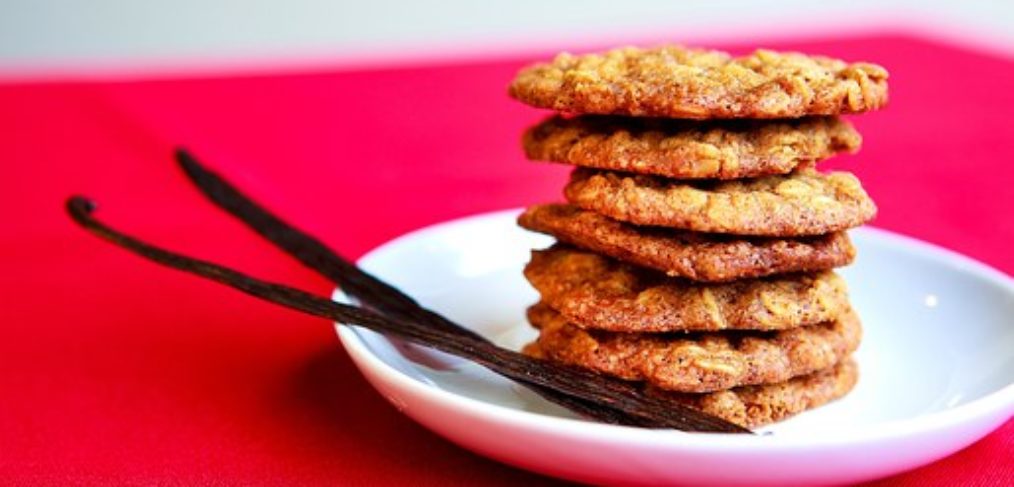

Ginger Cookies are Big Fat Treat #3

These Ginger Cookies are a Snap!

Who doesn’t love a good cookie? Especially one that is fragrant, warm, and chewy! This gingersnap takes advantage of the earthy spices we seem to crave during autumn. Made without refined sugar and rich in natural fats with a touch of protein, these cookies pair well with fall fruits, such as apples and pears.  Make ’em and bake ’em in under 30 minutes. (You will need a food processor for mixing.)

Gingersnaps

Ingredients

2 c. raw walnuts or pecans

1 c. dried dates (pitted) or figs

1/4 c. molasses

4 Tb. arrowroot or tapioca starch

1/2 tsp. ginger

1/2 tsp. cinnamon

1/4 tsp. cloves

1/4 tsp. salt

Directions

Preheat oven to 325 degrees. Process nuts and dates until they form a smooth paste. Add remaining ingredients and pulse to combine. Form 1″ balls. Place on a greased, sprayed, or parchment-lined baking sheet. Flatten with the palm of your hand. Bake for 10-12 minutes. Makes about 18.

Thanks, Snickers!

My Ex has brilliantly described you! “When you’re hungry, you’re not you!” You’re…


 careless

confused

crazy

a troublemaker

dramatic

sleepy

befuddled

a klutz

sarcastic

snarky

a knucklehead

a hot mess


Mars got one thing right: that correlation between mood and hunger. It’s real and it’s a trap! The worse you feel, the more you feed the addiction and the deeper you go into blood sugar dysregulation. Your highs get higher and your lows get lower. Like physiological manic-depression, pretty soon you’re hypoglycemic and insulin resistant!

The Mars campaign, by the way, very accurately describes the tell-tale signs of hypoglycemia. But giving a hypoglycemic a sugar rush is like giving an alcoholic another drink just to avoid the eventual hang-over. Sooner or later, it’s gonna hit!

That’s why suggesting the candy bar as a practical solution is downright dangerous!

So I divorced Snickers. Ok, I admit, it was adoring and lustful love for years. But Snickers failed me. Now I’ve walked away. I’m never going back. I’m not sorry. I’ve never felt better!

Yes, I am sweet-talking you – er, rather sweet lecturing you. Your food has more impact on your well being that you realize. You could be diabetic and not even know it. Estimates are that one-third of our population is already pre-diabetic. Ninety percent of the pre-diabetics have no idea their health is at a crisis point.

And the solution is so easy! It takes no medications, no doctor visits, no surgery, no office procedures. It’s as simple as avoiding refined sugar and carbohydrates and eating a balanced diet. Here are some simple guidelines for you:

  1. For every handful of carbohydrate that you eat, grab a thumb-size portion of natural fat, and eat a palm-size portion of protein.
  2. Remember that fruits, vegetables, grains, legumes, seeds and sweeteners are all carbohydrates. Carbohydrate goes far beyond bread, pasta, chips, and crackers.
  3. Avoid processed, man-made fats, including soy, canola, cottonseed, and corn oils. Stick to the traditional fats that have been used for centuries.
  4. Be picky about your protein. Avoid products treated with anti-biotics, growth hormones, and steroids. As much as possible, eat food that has been raised on its natural diet, not a commercialized product.
  5. Consume more vegetables! Yes, they are carbohydrate, but they are so low in calories, high in fiber, rich in minerals and full of vitamins, that you can have an almost unlimited amount.


Is Your Palate Balanced?


Your miraculous body has a built-in detector for the nutrients it needs. Your tongue is a sensitive instrument for discerning the variety of foods that each cell demands. By tuning in to the signals your tongue picks up,  you can satisfy your need for a wide array of nutrients.

From the time you were a tiny baby, you have been attuned to sweetness. When the tongue senses a sweet taste, the mind feels comforted and calm, no doubt associated in the infant brain with warm milk, parental contact, and sleep. Nature provided sweet receptors on the tongue for growth and to prevent tissues from drying out. Sweet foods are “builders” that add flesh. It is not bad to enjoy sweet unless the sensory input is unmitigated by other flavors. When a sweet palate over-rides the taste for other important foods, your moist mucus becomes a ready breeding ground for infection. Then sluggishness and weight gain set in.

The counterbalance to sweet is bitter. You may not appreciate the bite of bitter foods if you were not raised on them. But bitterness helps reduce stored weight, is tonic to the liver, stimulates the removal of toxins and waste through the production of bile, and supports digestion. In fact, literally hundreds of points in the gut are turned on when the tongue tastes bitterness, as if that organ were a gong, signalling the body that it’s time to secrete all the digestive fluids.

Most bitters are herbs and include dark leaves such as dandelion, arugula, watercress, and parsley. Some notable exceptions are extra dark chocolate, juniper berry, and caraway seed. When bitter herbs are served at the beginning of a meal, as salad, or at the end of a meal, as tea, they assure timely movement of the food through the large and small intestines.

Like bitter, the perception of sour is most useful to digestion. It, too, stimulates the stomach and liver. Additionally it can relieve gas and increase metabolism. Some of the most beneficial sour foods are the ferments – that class of foods with multiplied digestive enzyme capacity due to its probiotic activity. A true ferment has live cultures, and does NOT include heat-processed canned products, such as sauerkraut and pickles, but it does include fresh krauts, and cultured dairy products such as yogurt and kefir. Take care that these are not artificially sweetened, over-riding the positive effect of sourness.

The purpose of saltiness is to alert your body to mineral content, especially the necessary electrolytes, calcium, magnesium, potassium, sodium. chloride, and phosphate. A little salt can stimulate the appetite, but over-used, leads to excessive water retention in your body. Instead of indulging in processed snack foods, like chips or pretzels, you can satisfy your cravings for the salty taste by sprinkling a dash of fish sauce or soy sauce on your food, using smoked meats, brining your meat before cooking, or putting a pinch of sea salt in your water.

A little-known but vital flavor is umami, which loosely interpreted means “meaty.” Your brilliant tongue discerns this flavor to help you identify protein foods – those rich in amino acids. Your pre-disposition for craving these building blocks of the body can lead you to indulge in man-made products that contain MSG, but no substantial protein component, such as condensed soups and soup mixes, or the myriad of potato chip varieties on the market.  Traditional societies gratified their protein detector with bone broth, crayfish, and fish sauce added to recipes.

Two other flavors of note are pungent (or spicy) and astringent, which tend to balance each other, the first warming the body, and the latter cooling it. Your tongue notices spicy foods to allure you to substances that will increase circulation, and trigger sweating for cleansing purposes. Pungent foods include peppers, horseradish, and wasabi.

When too much moisture exists from excessive sweet intake, the tongue can notify you of astringent foods that have drying properties. Some of the most notable astringent foods are cranberry, green apple, and pomegranate.

If your palate is unnaturally conditioned toward only sweet and salty, you may be lacking vital nutrients to keep your body balanced. Try experimenting with new foods that have strange and exciting flavors. Challenge yourself to include 4 or 5  of these 7 tastes in each meal. Ethnic food is an excellent way to broaden your palate, as most societies have a deep food culture that intuitively incorporates the full spectrum of flavors.


Are You Getting Full Value?

Eating is a little like giving to your favorite charity. If it’s a well-managed organization, your donation can potentially help thousands of individuals. But if a top-heavy administration is usurping funds, you may be greatly dismayed to find that only 10 or 20% of your contribution actually reaches those in need. Likewise, you may be consuming a healthy diet of balanced macronutrients (carbs, fats, and proteins), but if your digestive system is being mis-managed, your food may literally get flushed away without every reaching the cells it was intended to serve.

POOR DIGESTION CAN CAUSE YOU TO BE A SUGAR BURNER

Sugar burners are those that have fluctuating energy levels, don’t feel satiated after a meal, feel a need to snack, experience cravings, and often hit a wall during endurance activities. Many of my clients who have been sugar burners for a long time often display signs of hypoglycemia and insulin resistance simultaneously. It’s not a fun way to live, feeling tired and hungry all the time, gaining weight, and being controlled by cravings.

Some of these clients eat clean. They are careful to eat their vegetables, avoid sugar and refined carbs, add natural fats to their cooking, and select healthy portions of proteins. What then is going on? It may be digestive dysfunction. Protein digestion requires a highly acidic stomach to trigger the release of pepsin, the chief enzyme used in the breakdown of protein molecules. But…

STRESS SHUTS DOWN DIGESTION

Your body has to prioritize its energy demands. If the decision is between running from danger or making stomach acid, fleeing obviously trumps. Cortisol, the hormone your body makes when there is any kind of perceived threat, physical or emotional, sends the signal that energy may be needed to make a dash. So when cortisol output increases, your brain turns down all digestive functions, including production of stomach acid, to conserve energy for a quick get-away.

Thus, if stress is a chronic factor in your life, your stomach acidity may be underpar. That means vlauable proteins may literall be just passing through. Because carbohydrate is absorbed quickly into the bloodstream, the result is too often a surge of glucose into the bloodtream. Insulin, a dutiful worker, scurries to whisk all that sugar out of the bloodstream, resulting in a dramatic drop in blood sugars. Hypoglycemic symptoms manifest. Repeat that over and over, and your cells become insulin resistant. That is how your donation of good clean food gets wasted by poorly managed digestion.

YOU NEED TO GET PARA-SYMPATHETIC

That means getting out of your head, getting out of the future, getting out of fear and worry, and just being present. The parasympathetic state is one of sensing, connecting, and being. It is not task-focused or deadline-oriented. Here are are some way to do that at meal time so your food contribution reaches your needy cells:

  • Breathe deeply before eating. Shallow breath always accompanies stress.
  • Visualize where your food originated, the care given to bring it to you, and all the energy it has the potential to impart to you. Appreciation does not co-exist with stress.
  • Laugh with friends and family while you eat. Connecting with loved ones switches us into the parasympathetic state.
  • Engage you senses: notice colors and shapes, smell, touch, savor. Get out of your mind; make eating a full-body experience.
  • Chew thoroughly. You can gulp on the run, but chewing slowly and completely requires a deliberate awareness.