Are You Hydrating Correctly?

You may be getting 8 glasses of water per day, but in this heat, are you sure your water bottle isn’t hindering your hydration?

Recently, I stopped at a convenience store to find some refreshment from the store’s cooler section. A splash of flavor was in order to liven up the mundane sipping I had been engaged in while stopped for 90 minutes on the interstate in 95 degree weather due to a 5-car pile-up ahead.

I started perusing labels, just to check whether the flavor was natural or artifical. I was stunned to see carbohydrate counts at 15-30 grams per serving. This was water, right?! Even with electrolytes added, water should still be 0 carb.

Now, I’m not anti-carb. I do believe in whole fruits, vegetables, grains, seeds, and legumes in their unrefined form. But I understand that pouring carbohydrates into my body un-modulated – without fats, proteins, or fiber to buffer them – will create an insulin surge that has disturbing ripples. I strive to keep my carbohydrate calories around one-third of my daily intake. I certainly don’t need hidden sugars in my water! Their effect is actually dehydrating!

My solution was to put a couple of ounces of pure coconut water into my quart-size Klean Kanteen, just enough to give my filtered water a hint of flavor. Here are some other strategies you can use to revive your hydration and yourself!

  • sprinkle in a pinch of sea salt
  • splash in a squeeze of fresh lime or lemon juice
  • drip in some trace minerals, such as Concentrace Liquid Mineral Drops
  • grind in a teaspoon of crushed chia seeds to help retain water
  • float berries, fruit slices or herbs, such as basil leaves, in your water
  • substitute a chilled herbal tea, such as fresh peppermint (or put a couple ounces of herbal tea in with your water)
  • quench yourself with a juicy melon slice, complete with vitamins and fiber
  • use bone broth in place of water in your cooking, or even for sipping

4 Stress Hacks to Save Your Life

If you want to control your blood sugars, you must not only watch your diet; you must also control your stress. As you know, stress triggers the release of the hormone cortisol, and cortisol raises blood sugars. So chronic stress equals chronically high blood sugars. And that leads to insulin resistance, and then diabetes.

Ground yourself every single day with these life-changing hacks that can be done in minutes or seconds!

Center yourself when you wake up.

It only takes a moment to do a few sun salutations or a guided meditation, but the effects can last for hours because you step outside of your head and re-connect with your entire being. You slow down your breathing and tune in to your feelings. Salutations and meditations are great ways to start the day, but one of my favorites is to open up my throat and belt out a song – either in the shower or on the way to work. It doesn’t take any extra time from my busy day, but by tightening the muscles in the back of my throat, I tone and condition my vagus nerve – the one that has so much impact on my sense of well-being. When I don’t have the privacy to sing loudly, I gargle instead.

Make meals a time to be in the moment.

Do you use mealtime to express gratitude? Scientists are proving that this isn’t just an old-fashioned idea. Gratitude actually makes you stress-resilient. Studies show that having a grateful disposition helps you rebound quicker when you are faced with adversity or trauma. Laughing is also a great stress-diffuser that you can engage in during mealtimes. Personally, I like to practice presence by consciously noticing 5 distinct smells, 5 different sights, 5 isolated sounds, 5 unique tastes and 5 particular sensations that engage me during the meal.

Hit the pause button when stress escalates.

Stress makes you breathe shallowly and rapidly. You can reverse this by observing your breath and choosing to draw it more deeply and slowly. An exercise to do this is to inhale from the diaphragm for 4 counts, hold your breath for 7 counts, then exhale for 8 counts. Alternately, you could exhale and inhale through the left nostril (holding the right shut), then switch and close the left nostril before first exhaling then inhaling through the right. It takes a little concentration and forces you to stop prognosticating your dire future. Walking outside for 5 minutes or applying a calming essential oil are also effective ways to take a time out to compose yourself.

De-compress at the end of the day.

Stress depletes your magnesium stores, so a foot soak in warm water and epsom salt (magnesium sulfate) not only feels relaxing, it actually physiologically helps counteract your stress. Herbs such as lemon balm, lavendar and chamomile are soothing when steeped in water as a bedtime beverage. Journalling is a great way to connect mind and body and to let go of negative emotions. A little music therapy prepares you for a restful night.

Your blood sugars aren’t the only aspect of your well-being that will benefit from these hacks. Your physical, mental, and emotional health will improve, too!

Need more calming ideas? Catch a class with us!


My Wish

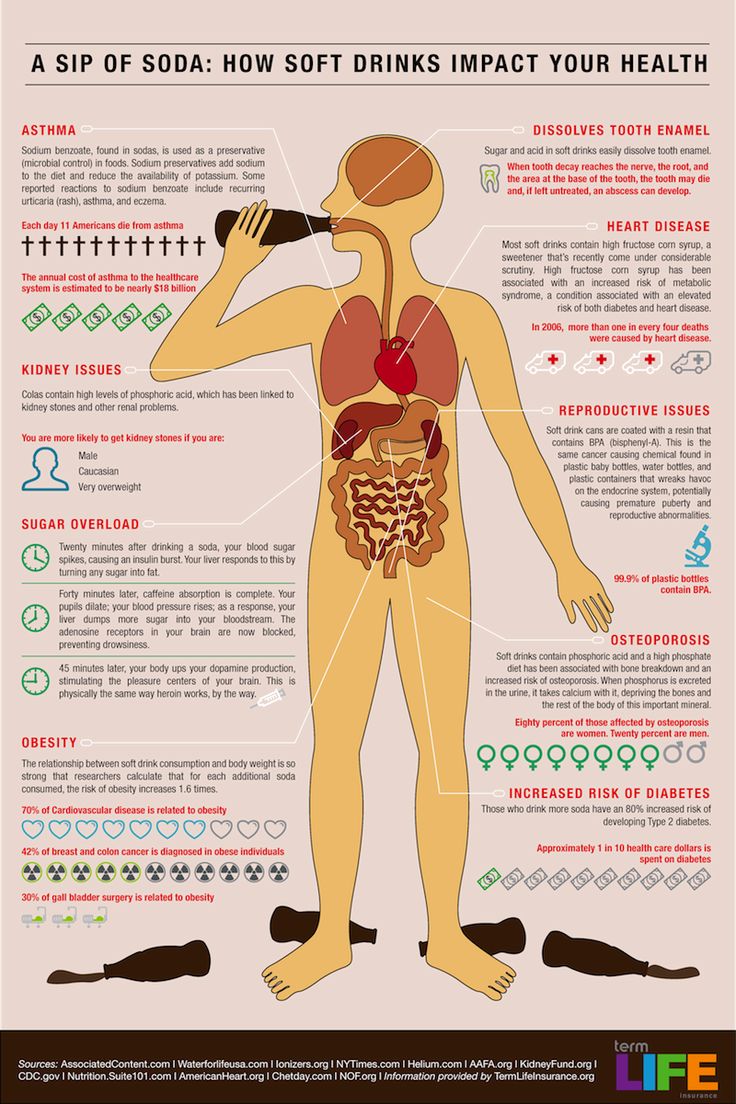
If I could rub a magic lamp, my desire for you would be a soda-free life. Pop is the nemesis of stable blood sugars.

Do you have

  • constant fatigue?
  • weight gain?
  • foggy memory?
  • auto-immunity?
  • low thyroid?
  • high blood pressure?
  • depression?
  • anxiety?
  • hypoglycemia?
  • Insulin resistance?
  • difficulty sleeping?

These are all tell-tale signs of imbalanced blood sugars, and while other factors definitely contribute to this state, soda is one of the first places I start looking when there are issues.

If you want energy but love your Mountain Dew, need to lose weight but won’t give up Pepsi, feel moody but have to have a Big Gulp, go find your own genie, because my powers can’t get past your beverage.

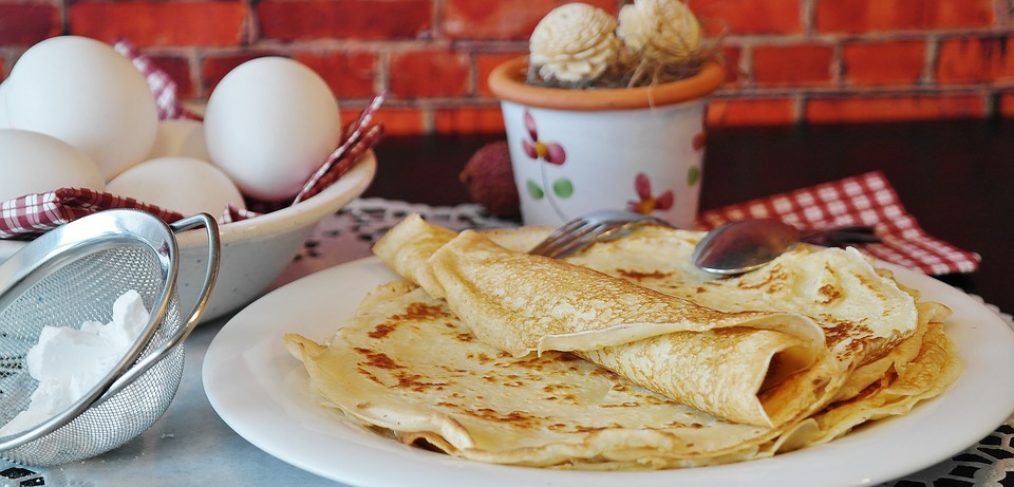
Crepe Fest

Crepes. The word conjures up a secluded celebration between two lovers with raspberries and cream in a candlelit dining room. Or an indulgent weekend soiree between close friends with spring chicken, fresh asparagus and a little mushroom sauce. Crepes make you feel cherished.

Try this sweet twist on crepes from a whole food perspective:

Ingredients

  • 1 c. cooked sweet potato, pumpkin, or plantain puree
  • 1/2 c. brown rice or buckwheat flour
  • 1/4 c. starch (potato, tapioca or arrowroot)
  • 1 tsp. salt
  • 6 eggs
  • 1/4 c. honey
  • 1 c. water
  • butter, ghee, coconut oil, pure lard or tallow

Method

Combine vegetable puree with flour, starch and salt, mixing until no lumps remain. Beat in eggs and honey. Slowly add water, while stirring, until batter is thin and smooth.

Preheat a heavy  8″  skillet over medium low heat. Evenly coat the surface of the skillet with 1 tsp. of cooking fat. Pour 1/2 c. batter into center of skillet and rotate pan with your wrist until batter fills the bottom of the skillet. Cook 2-3 minutes, until crepe is bubbly and edges begin to brown and curl. Flip and continue cooking another couple minutes. Remove to a plate for filling.

Repeat this process of coating the pan, pouring in the batter, and cooking until batter is gone. Makes 8 crepes.

Fillings

 Savory

  • a variety of raw or sauteed vegetables or sprouts
  • any cooked meat, fish, or poultry
  • herbs to complement your choices: parsley, dill, cilantro, basil, sage, etc.

Sweet

  • fruits in season
  • freshly ground nut butter or creamy cheese such as chevre
  • avocado (pairs especially well with mandarin orange)
  • spices including cinnamon, nutmeg, or allspice


Can We Stop It?

Heart disease results from the over-consumption of processed food, especially refined flours, sugars, and polyunsaturated vegetable oils. These create inflammation, and inflammation is a significant contributor to our most common form of heart disease.

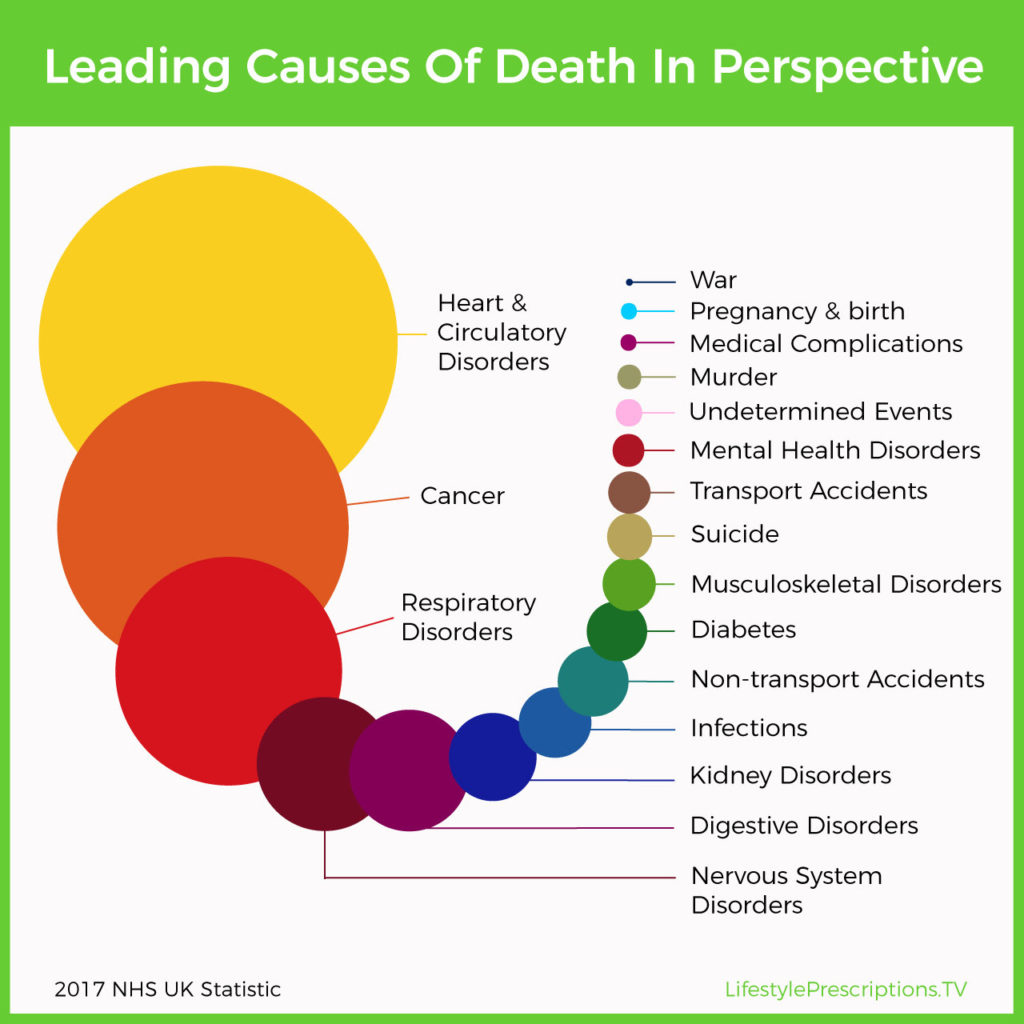
This recently released info-graphic puts today’s leading causes of death into perspective.

Heart disease has reached catastrophic levels, and the most calamitous aspect of the disease is that it is  largely preventable. The number one action you can take to reduce your risk is to control your blood sugars. Here are two simple reasons why:

  1. Insulin is released when blood sugars rise. High levels of insulin block your body’s anti-inflammatory pathway and provoke high blood pressure and elevated cholesterol levels
  2. Cortisol is released when blood sugars drop. Repeated cortisol output leads to insulin resistance, which inhibits mineral uptake into heart cells. Because the heart is so dependent on minerals such as calcium and magnesium for even contractions, an imbalance can trigger irregular heart beats, called arrythmias.

Can we stop the heart disease epidemic? One person at a time, we can! It will happen when you and I:

  • eat natural unprocessed fat instead of the trans-fats, hydrogenated oils, and oxidized products that fill our grocery stores. We need to avoid foods that contain the so-called “industrial” oils: soybean, cottonseed, and canola.
  • consume our carbohydrates in reasonable ratios, balanced with proteins and fats, instead of dominating every meal and snack. Americans get somewhere between 60 and 80% of their calories from carbohydrates, mostly refined. It would be more appropriate to eat only 30-40% of our calories from carbohydrates that are complex, whole and fiber-rich  – vegetables, legumes, seeds, and so forth.
  • cease to drink carbohydrates in the form of juices, sodas and energy drinks. The best beverage for humans is water.
  • stop eating refined carbohydrates by themselves- that pretzel or donut or cracker or chip which flash into glucose in a wave instead of a trickle. We can use fats such avocados, nuts, and cheeses with carbs to moderate the rate at which the sugars in our foods are converted into fuel.
  • educate ourselves about carbs. This food category is much more than bread, cereal and pasta. if it isn’t a protein or a fat, it’s a carb. Though that sounds silly, many are deceived about their carb intake. For instance, a smoothie, while it may contain whole fruits and healthy dark leafy greens, is really a sugar high waiting to happen unless you intentionally add protein or fat, such as coconut oil, pastured egg, or hemp seed.
  • quit being afraid of fat. Research is showing that traditional societies ate as much as 60+% of their calories from naturally-occuring fats.

Though you may have heart disease in your family, you are not inevitably a victim. Every weak gene must have a supporting environment and a trigger for its expression. The gene is approximately 25% of your destiny. Your choices make up the rest.